Battery Cage Poultry Farming: Maximizing Efficiency in African Poultry Production
Battery Cage Poultry Farming: Maximizing Efficiency in African Poultry Production
Poultry farming in Africa is experiencing significant growth, driven by increasing demand for meat and eggs. To meet this demand efficiently, many farmers are turning to modern methods like battery cage systems. Battery cage farming, controversial as it might be, offers a structured approach to raising poultry, boasting enhanced productivity and simplified management. However, understanding its implications and navigating its implementation is key to successful and sustainable poultry production in the African context. Let’s dive into how battery cage farming can maximize efficiency in African poultry production, the advantages and considerations involved, and how to make informed decisions for your poultry business.
What are Battery Cages?
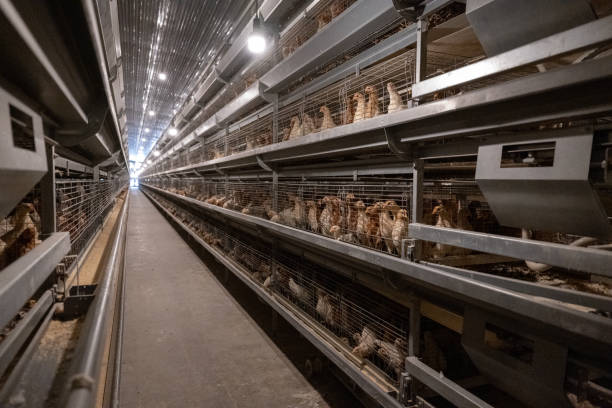
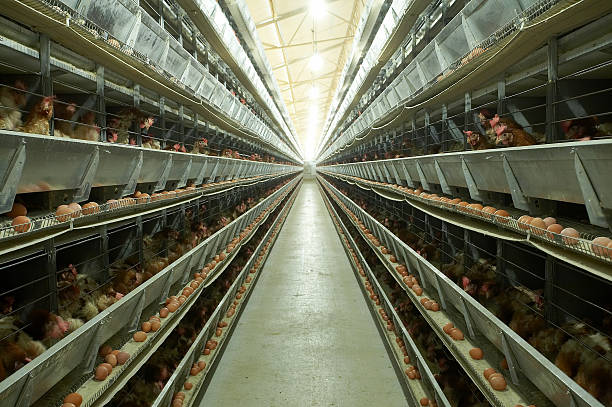
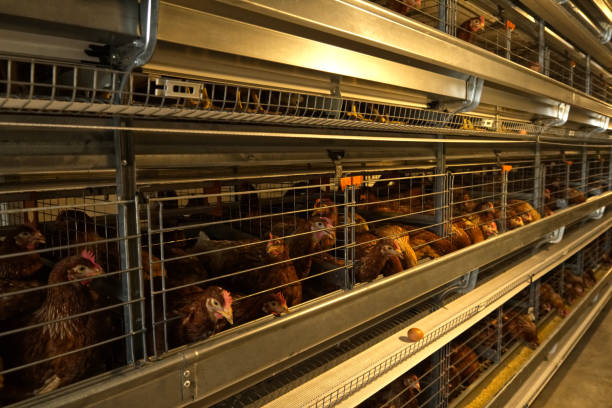
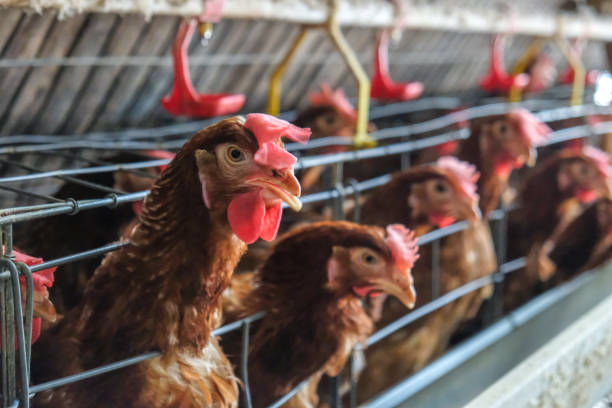
Battery cages are a type of housing system used primarily for laying hens. These cages are typically arranged in rows and tiers, creating a multi-level system within a poultry house. Each cage houses several hens, providing them with space for basic movement, access to food and water, and a sloped floor that facilitates egg collection. The name “battery” refers to the arrangement of cages in rows, resembling the cells of a battery.
Advantages of Battery Cage Systems
The popularity of battery cage systems in commercial poultry farming is largely due to the numerous advantages they offer, especially in terms of efficiency and management:
Increased Production Efficiency: Battery cages allow for higher stocking densities compared to free-range or deep-litter systems. This means you can raise more birds in a smaller area, leading to increased egg or meat production per square meter. The controlled environment and easy access to resources contribute to enhanced productivity.
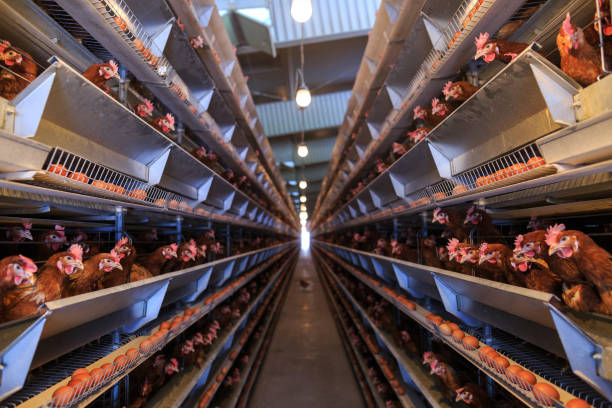
Improved Hygiene and Disease Control: The design of battery cages minimizes contact between the birds and their waste. The sloped floors allow droppings to fall away from the hens, reducing the risk of disease transmission and improving overall hygiene. Easier cleaning and disinfection protocols also contribute to a healthier environment.
Simplified Management: Battery cage systems streamline many aspects of poultry management. Automated feeding and watering systems ensure that all birds receive adequate nutrition and hydration. Egg collection is also simplified, as eggs roll down the sloped floors into collection troughs. This reduces labor requirements and allows farmers to focus on other critical tasks.
Reduced Feed Waste: In battery cages, feed is typically provided in troughs that are designed to minimize spillage. This reduces feed waste compared to floor-based systems where birds may scatter feed or contaminate it with their droppings.
Better Egg Quality: Eggs collected from battery cage systems are generally cleaner and less likely to be contaminated with bacteria. The controlled environment and reduced contact with feces contribute to improved egg quality and a lower risk of spoilage.
Considerations for Implementing Battery Cage Systems in Africa
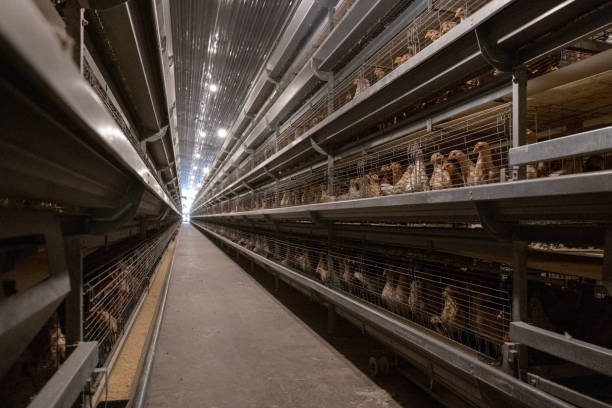
While battery cage systems offer significant advantages, it’s essential to consider the specific context of African poultry farming. Certain considerations are crucial for successful and sustainable implementation:
Climate Control: Africa’s diverse climates pose a challenge for battery cage systems. In hot regions, adequate ventilation and cooling mechanisms are essential to prevent heat stress in birds. Conversely, in colder regions, insulation and heating may be necessary to maintain optimal temperatures.
Investment Costs: Setting up a battery cage system requires a significant initial investment. The cost of cages, feeding and watering systems, ventilation equipment, and housing construction can be substantial. Farmers need to carefully assess their financial resources and explore financing options.
Availability of Resources: The smooth operation of battery cage systems relies on the availability of essential resources such as quality feed, clean water, and reliable electricity. Farmers in remote areas may face challenges in accessing these resources consistently.
Regulations and Standards: Poultry farming in Africa is subject to varying regulations and standards. Farmers need to be aware of local laws regarding animal welfare, food safety, and environmental protection. Compliance with these regulations is essential for maintaining a legal and sustainable business.
Market Demand: While battery cage eggs are widely accepted in some markets, consumer preferences are evolving. Some consumers are increasingly concerned about animal welfare and may prefer eggs from free-range or organic systems. Farmers need to assess the demand for different types of eggs in their target markets.
Ethical Concerns: Battery cage systems have been criticized by animal welfare advocates due to concerns about the restricted movement and limited behavioral expression of hens. These concerns have led to calls for improved animal welfare standards in poultry farming.
Types of Battery Cages Suitable for African Poultry Farms
Several types of battery cages are available, each with its own features and benefits. Choosing the right type of cage depends on factors such as the size of your farm, the type of birds you’re raising, and your budget.
Layer Cages: These are specifically designed for laying hens. They typically feature sloped floors for easy egg collection, feeding troughs, and watering systems. Layer cages are available in various sizes and configurations to accommodate different flock sizes.
Broiler Cages: Broiler cages are designed for raising meat chickens (broilers). They provide ample space for birds to move around and access food and water. Broiler cages often have solid floors to prevent injuries to the birds’ feet.
A-Frame Cages: A-frame cages are a popular choice for small to medium-sized poultry farms. They are relatively easy to install and maintain. A-frame cages consist of two sloping sides that meet at the top, forming an A shape.
H-Frame Cages: H-frame cages are more suitable for larger-scale poultry operations. They are structurally stronger and can accommodate more birds per unit area. H-frame cages consist of multiple tiers of cages stacked on top of each other, forming an H shape.
Optimizing Battery Cage Management for African Conditions
To maximize the benefits of battery cage systems in Africa, it’s essential to implement best management practices tailored to local conditions:
Ventilation and Cooling: Providing adequate ventilation is crucial for maintaining a comfortable environment for the birds, especially in hot climates. Natural ventilation can be supplemented with fans and evaporative coolers to reduce heat stress.
Feeding and Watering: Ensure that all birds have access to fresh, clean water and a balanced diet. Adjust feeding schedules and nutrient levels based on the age and production stage of the birds.
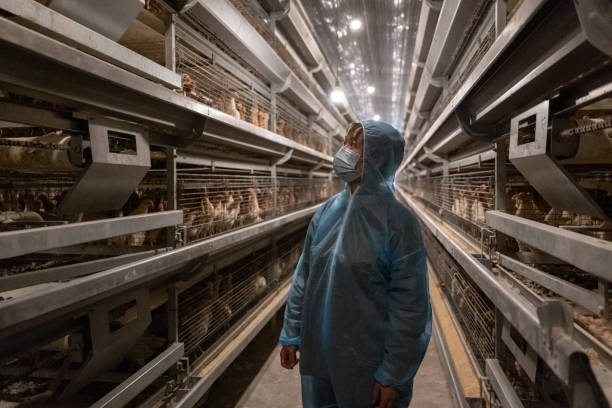
Hygiene and Sanitation: Regularly clean and disinfect cages and equipment to prevent the buildup of bacteria and parasites. Implement a strict biosecurity program to minimize the risk of disease outbreaks.
Lighting: Proper lighting is essential for stimulating egg production in laying hens. Provide a consistent photoperiod (hours of light per day) using artificial lighting if necessary.
Record Keeping: Maintain detailed records of production, feed consumption, disease incidence, and other relevant data. This information will help you identify areas for improvement and make informed management decisions.
Waste Management: Implement a proper waste management system to dispose of poultry manure in an environmentally friendly manner. Manure can be composted, used as fertilizer, or converted into biogas.
Regular Health Checks: Regularly inspect your birds for signs of illness or injury. Consult with a veterinarian to develop a preventative health program and address any health issues promptly.
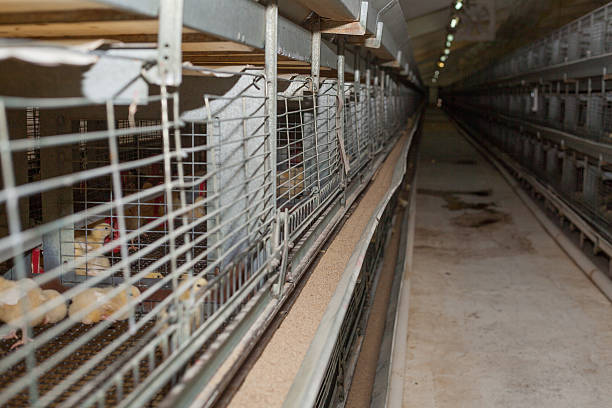
Addressing Animal Welfare Concerns in Battery Cage Systems
While battery cage systems offer efficiency benefits, addressing animal welfare concerns is crucial for long-term sustainability and consumer acceptance. Here’s how to mitigate welfare issues:
Cage Size and Density: Although conventional battery cages are restrictive, providing slightly larger cages and reducing stocking densities can improve the well-being of hens. This allows for more movement and reduces stress.
Enrichment: Adding environmental enrichments to cages, such as perches, dust baths, and foraging materials, can promote natural behaviors and enhance the quality of life for hens.
Lighting Programs: Implementing lighting programs that mimic natural day-night cycles can help regulate the birds’ circadian rhythms and improve their overall health.
Beak Trimming Alternatives: Explore alternative methods to beak trimming, such as genetic selection for less aggressive birds or providing more space and resources to reduce pecking behavior.
Training and Education: Train poultry workers on proper handling techniques and animal welfare standards. Educated workers are more likely to treat birds with care and compassion.
Transitioning to Alternative Systems: Consider transitioning to alternative housing systems, such as enriched cages or free-range systems, if market demand and regulations support it.
The Future of Battery Cage Farming in Africa
The future of battery cage farming in Africa is likely to be shaped by a combination of factors, including economic growth, consumer preferences, regulatory changes, and technological advancements.
Increased Demand for Poultry Products: As the African population grows and incomes rise, the demand for affordable poultry products is expected to increase, supporting the need for efficient methods like battery cage systems.
Growing Awareness of Animal Welfare: As consumers become more aware of animal welfare issues, there may be increasing pressure on farmers to adopt more humane farming practices.
Stricter Regulations: Governments may introduce stricter regulations regarding animal welfare and food safety, which could impact the design and operation of battery cage systems.
Technological Innovations: Advancements in technology could lead to the development of more efficient and welfare-friendly battery cage systems. Smart sensors, automated systems, and data analytics could help farmers optimize production and improve animal health.
Sustainable Practices: Farmers are increasingly adopting sustainable practices to reduce the environmental impact of poultry farming. This includes using renewable energy sources, conserving water, and minimizing waste.
Battery cage farming offers a viable solution for maximizing efficiency in African poultry production. By understanding the advantages, considering the challenges, and implementing best management practices, farmers can leverage battery cage systems to meet the growing demand for poultry products while addressing animal welfare concerns and promoting sustainable practices. The key is finding the right balance between productivity, profitability, and ethical considerations to ensure a thriving and responsible poultry industry in Africa. As the sector evolves, continuous adaptation to emerging trends and technologies will be paramount for sustained success.