Choose Right Poultry Cage System for 10000 Layers
Choose Right Poultry Cage System for 10,000 Layers
Raising 10,000 laying hens is no small task — it’s a serious farming operation that demands smart planning, high-quality equipment, and efficient systems. If you’re setting up or upgrading a layer farm at this scale, one of the most critical decisions you’ll make is choosing the right poultry cage system. A poorly designed setup can lead to wasted space, poor bird health, lower egg production, and higher labor costs. But on the flip side, the right cage system will streamline daily operations, improve bird welfare, and maximize your return on investment.
At Zhengzhou Livi Machinery Manufacturing Co., Ltd., we’ve helped hundreds of farmers worldwide design and implement reliable, scalable solutions for large-scale layer farms. Over the years, we’ve seen how a well-chosen cage system transforms not just productivity but also long-term sustainability. Whether you’re building from scratch or expanding an existing facility, understanding your options and making informed choices now will save you time, money, and headaches down the road.
The key is matching the system to your goals: Are you aiming for maximum automation? Do you prioritize animal comfort and longevity? How much labor do you want to involve per shift? And what kind of budget are you working with? Let’s break it down so you know exactly what to look for in a cage system for 10,000 layers.
Understanding Your Options: Types of Layer Cage Systems
When it comes to housing 10,000 laying hens, there isn’t a one-size-fits-all solution. The market offers several cage types, each with its own advantages depending on your management style, climate, and long-term vision.
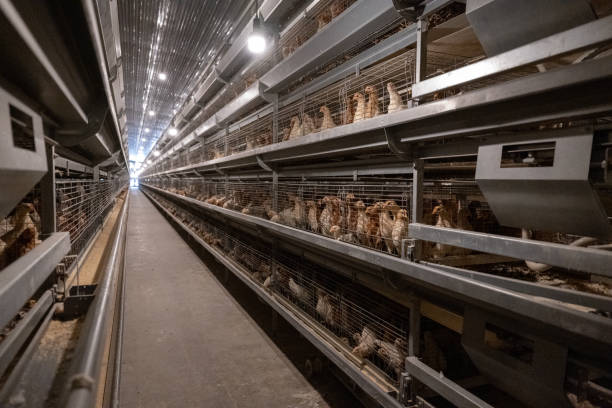
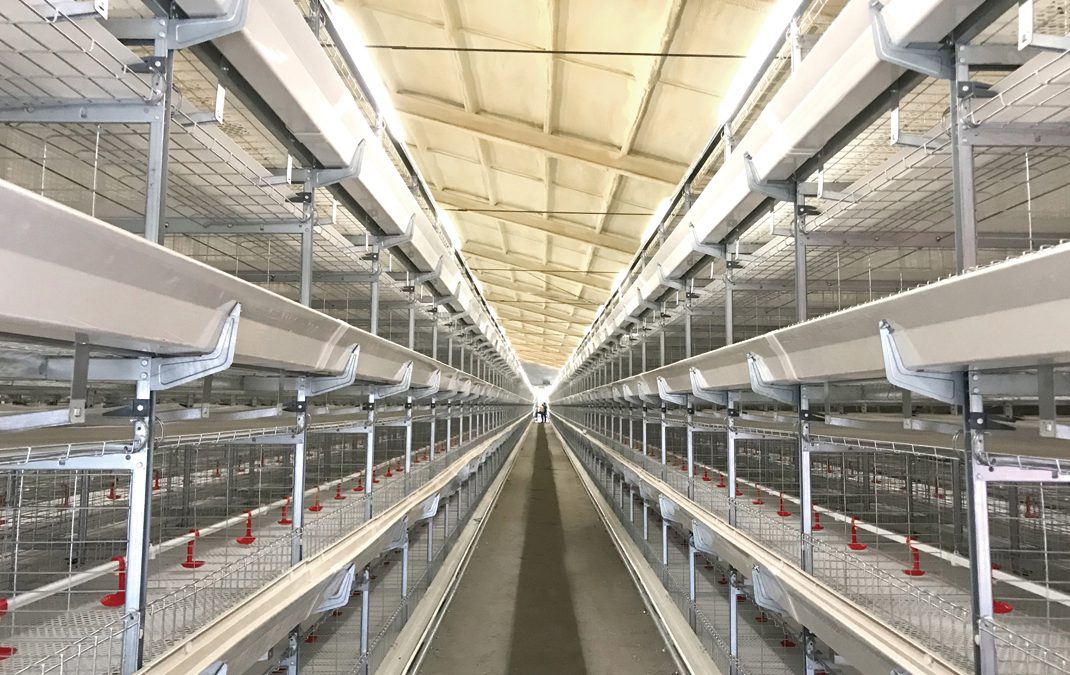
The most common systems are three-tier, four-tier, and stepped (or slope) cages. Three-tier systems are classic and widely used because they offer a good balance between bird density and accessibility. With 10,000 birds, this layout allows workers to easily reach all levels without needing ladders or lifts, reducing injury risk and speeding up feeding, cleaning, and egg collection.
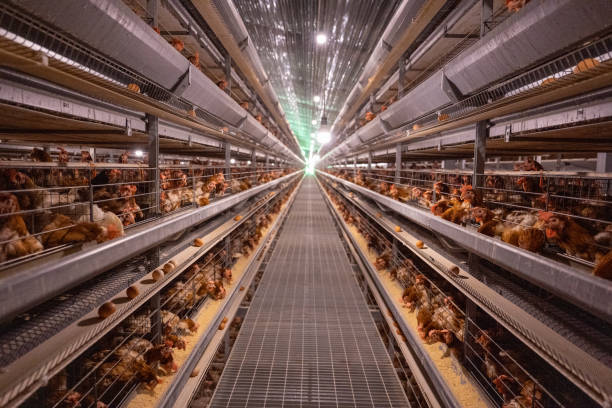
Four-tier systems take things further by increasing vertical space usage. This is ideal if your barn footprint is limited. By stacking more tiers, you effectively boost capacity without expanding the building. However, taller systems usually require automated manure removal belts and egg belt collectors. Manual handling at the top tier becomes impractical and unsafe.
Then there are stepped cages, which feature offset rows to allow better airflow and natural light penetration. These are great in regions where ventilation is challenging or electricity costs make cooling expensive. The design reduces heat buildup and helps prevent respiratory issues in flocks.
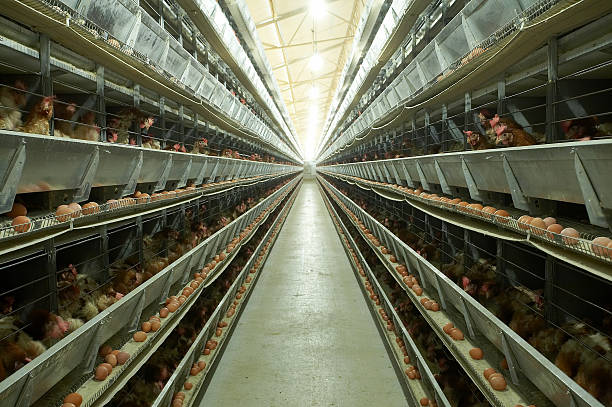
Another big decision point is whether to go fully automatic or semi-automatic. For a 10,000-bird operation, full automation often makes financial sense over time. Automated feeding lines ensure every bird gets consistent nutrition, while centralized water systems prevent blockages and contamination. Egg collection belts move eggs gently to a central packing area, cutting labor needs by up to 70%. Manure belt systems run daily or weekly to keep the house clean and reduce ammonia levels — crucial for hen health and egg quality.
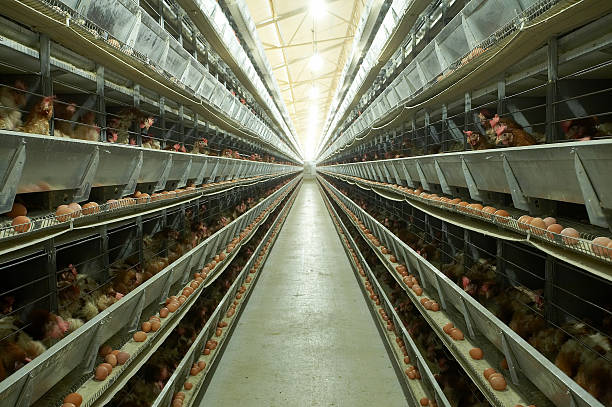
We always recommend considering future scalability. Maybe you start with two houses of 5,000 each, but plan to grow. Choosing modular components means you can replicate the same system later without re-engineering everything. Our customers who think ahead like this find expansion smooth and cost-effective.
Key Factors to Consider for Large-Scale Layer Housing
Before placing an order, take a step back and assess five core factors: space efficiency, bird welfare, maintenance requirements, local climate, and labor availability.
Space efficiency matters because every square meter counts when managing 10,000 birds. You need enough room for cages, walking aisles, feed storage, and ventilation equipment — but not so much that you’re wasting capital on underutilized buildings. Our engineers typically recommend aisle widths of 90–110 cm for ease of access and efficient equipment passage. Cage dimensions should follow breed guidelines — for example, Leghorns need less space than heavier hybrids like Hy-Line Brown.
Bird welfare has become a major focus globally, and rightly so. Healthy, stress-free hens lay more consistently and live longer. Modern cage systems include features like anti-foot-slipping floors, rounded wires to prevent injuries, and adequate headroom for standing and turning. Some advanced models even come with built-in perches or dust bath areas to support natural behaviors. It’s worth noting that countries like the EU have stricter rules about space per bird, so compliance depends on where you sell your eggs.
Maintenance might not be sexy, but it’s vital. A low-maintenance cage made from hot-dip galvanized steel lasts 15+ years with minimal upkeep. Cheap wire cages rust quickly, especially in humid climates, leading to structural weakness and disease risks. At Livi, we use double-galvanizing processes and high-tension welding to ensure durability — something our farmers notice after years of heavy use.
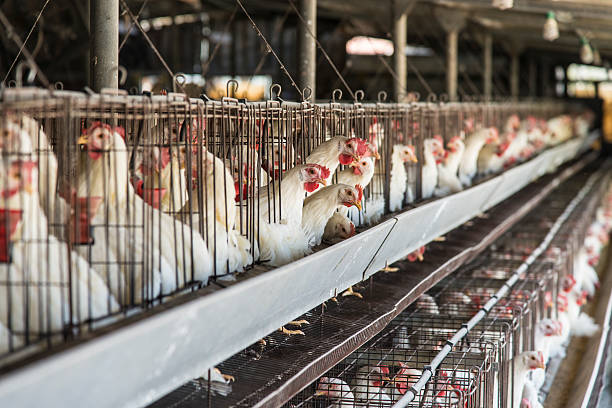
Climate plays a surprisingly big role in system selection. In hot areas, you’ll benefit from open-front houses with tunnel ventilation and cooling pads. In colder zones, insulated buildings with minimum ventilation systems help maintain stable temperatures. Your cage layout must work with these environmental controls. For instance, placing cages too close together blocks airflow, creating damp spots where bacteria thrive.
Finally, think about your workforce. Can you afford full-time skilled staff? If not, automation reduces reliance on manual labor. We’ve worked with farms in remote areas where hiring is tough — they invested in auto-feeders and egg belts and saved thousands in wages annually. On the other hand, some farms prefer hands-on management and rely on experienced crews. There’s no single “best” model — only what works best for you.
Why Proper Design Saves Money in the Long Run
It’s tempting to cut corners upfront, especially when launching a large project. But skimping on cage quality or skipping automation often ends in higher costs later. Think of it like buying a car: a cheap model may seem affordable now, but constant repairs and poor fuel economy add up fast.
A professionally designed cage system tailored for 10,000 layers prevents losses before they happen. For example, properly spaced manure belts dry droppings faster, reducing fly infestations and footpad dermatitis. Smooth-running egg belts minimize cracked or dirty eggs — and fewer damaged eggs mean higher profits at market.
Well-designed nests encourage hens to lay in designated areas rather than on cage floors, cutting捡蛋难度and improving hygiene. Integrated lighting systems with dimmers let you simulate sunrise and sunset gradually, reducing stress and pecking behavior. Even small touches, like easy-clean tray designs or tool-less adjustable parts, make daily routines smoother and faster.
Let’s talk numbers for a second. A typical 10,000-layer farm produces around 9,000 eggs per day (assuming 90% hen-day production). If just 3% of those eggs get damaged due to poor handling or broken belts, that’s nearly 100 lost eggs daily — over 36,000 a year! At $0.15 per egg, that’s $5,400 in avoidable losses. Invest in a solid system once, and these losses shrink dramatically.
Plus, better-managed flocks tend to have longer production cycles — sometimes going beyond 72 weeks without a molt. That extends profitability and spreads out replacement costs. When combined with lower mortality rates and reduced medication use, the ROI becomes clear.
Partnering with a manufacturer that offers engineering support, installation guidance, and after-sales service gives you peace of mind. At Livi, we don’t just sell cages; we help plan the entire layout, suggest compatible accessories, and provide training videos or site visits when needed. Our clients tell us this support makes all the difference during startup phase.
Ready to Build Your Ideal Layer Farm?
Choosing the right poultry cage system for 10,000 layers is one of the most impactful decisions you’ll make as a poultry entrepreneur. It affects everything — from daily labor and hen health to egg output and profit margins. While price is important, never lose sight of value: durability, performance, and long-term savings matter far more than the initial quote.
If you’re in the planning stage, now is the perfect time to connect with experts who understand your region’s challenges and can tailor a solution to fit your exact needs. Don’t guess what size cage or type of automation you need — let professionals help you calculate load capacities, airflow requirements, and system compatibility.
Whether you’re starting fresh or upgrading an older farm, we’d love to hear about your project. Share your barn dimensions, target flock size, and any specific challenges you’re facing, and we’ll create a customized proposal — complete with 3D layout, product specs, and estimated delivery time.
Drop us a message today with your contact info and basic farm details. One of our team members will respond within 24 hours with actionable advice and options suited to your scale and budget.