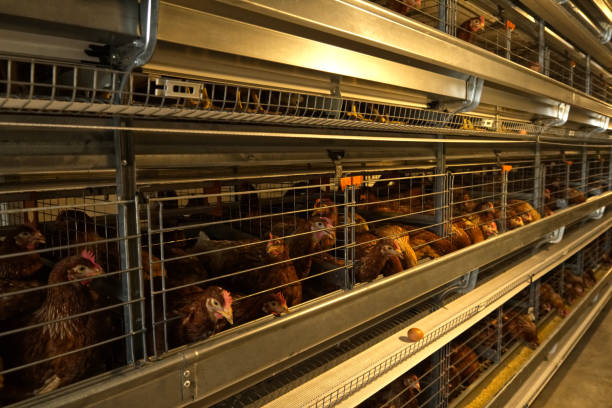
Cost-Effective 30000 Chicken Cage Solutions for Nigerian Poultry Farms
Cost-Effective 30000 Chicken Cage Solutions for Nigerian Poultry Farms
Nigeria’s poultry industry is a thriving sector, constantly seeking ways to boost efficiency and productivity. For poultry farmers looking to scale up their operations or optimize existing ones, implementing a well-designed and cost-effective chicken cage system is paramount. This is especially true for farms aiming to house around 30,000 chickens, a common scale for many commercial poultry operations in Nigeria. This article delves into the various cost-effective chicken cage solutions suitable for accommodating 30,000 chickens on Nigerian poultry farms, analyzing different cage types, key considerations for selection, and strategies for maximizing profitability.
Understanding the Landscape of Chicken Cages
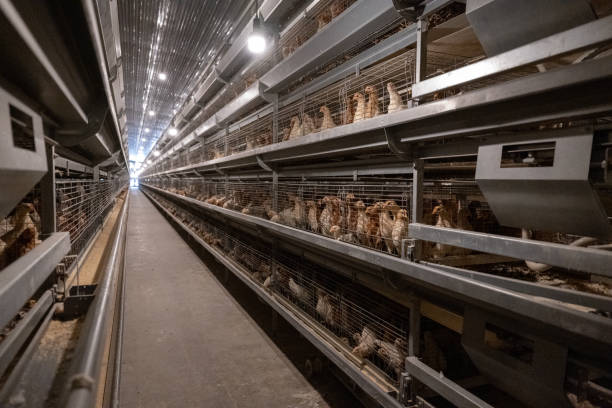
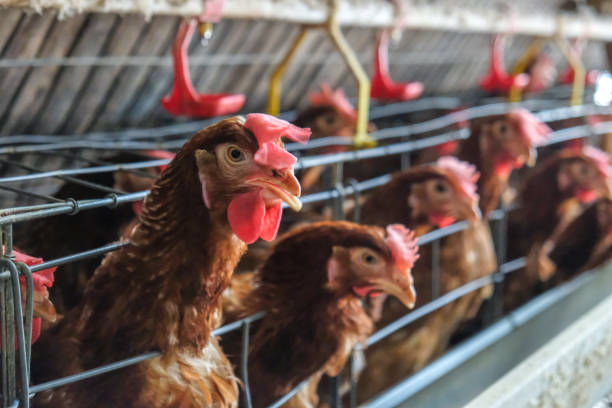
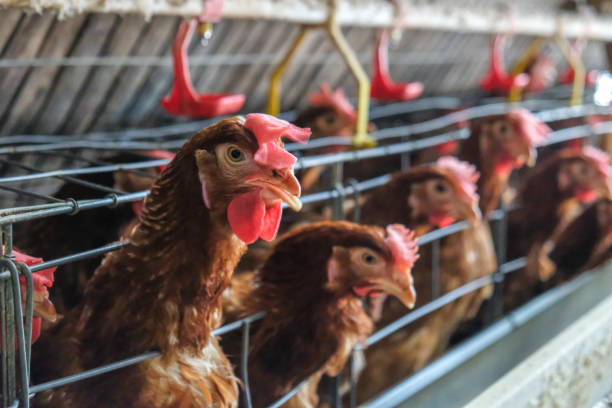
Chicken cages, also known as poultry cages, are specialized housing systems designed to confine chickens for egg production or meat production (broilers). These cages are typically made of galvanized steel wire mesh, offering varying levels of automation and features to optimize bird welfare and farm management. The appropriate cage choice fundamentally dictates factors like space utilization, disease control, feeding efficiency, and overall labor requirements.
Types of Chicken Cages Suitable for 30,000 Chickens
When planning for 30,000 chickens, it is crucial to select a cage system that aligns with farm size, budget, and production goals. Here’s a breakdown of popular options:
Layer Cages (for Egg Production): Layer cages are specifically designed for housing egg-laying hens. They are available in various configurations, generally categorized as:
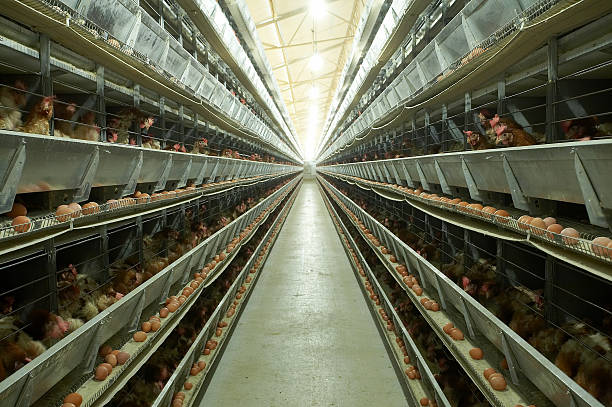
A-Frame Cages: A-frame cages are among the most economical options. They consist of tiered rows, resembling an “A” shape. Their simple design translates to lower initial costs. Typically, A-frame cages require manual egg collection.
H-Frame Cages: H-frame cages represent a more advanced design, often featuring multiple tiers stacked vertically. This vertical stacking maximizes space utilization, especially beneficial for farms with limited land. H-frame cages frequently incorporate automated feeding, drinking, and egg collection systems, substantially reducing labor.
Flat-Deck Cages: These cages offer a single-level design, providing easy access to the birds. They are appropriate for smaller-scale operations or farms prioritizing simplicity. However, their space efficiency is lower compared to A-frame or H-frame cages.
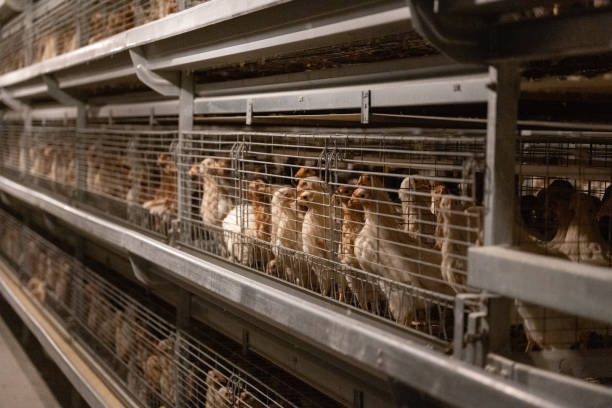
Broiler Cages (for Meat Production): Broiler cages are customized for raising meat chickens. These cages prioritize rapid growth and efficient feed conversion. They come in various configurations:
Tiered Broiler Cages: Similar to layer cages, tiered models optimize space usage. However, broiler cages are sturdier than layer cages to accommodate the increased weight of the birds.
Floor Systems (with or without Litter): These systems give broilers more space to move. Rearing broilers on floors require proper ventilation, temperature, and litter management to provide a good environment
Key Considerations When Selecting Chicken Cages
Choosing the right chicken cage system for your 30,000-bird operation isn’t a one-size-fits-all decision. Here’s a breakdown of crucial factors:
Budget: The initial investment is a primary driver. A-frame cages entail lower upfront costs than automated H-frame systems. However, factor in long-term operational costs like labor, feed waste, and potential disease outbreaks to determine the overall cost-effectiveness.
Farm Size and Layout: Assess available land. H-frame or tiered broiler cages are ideal for maximizing space on smaller properties. A-frame or flat-deck cages may be suitable for farms with more land but potentially higher labor availability.
Level of Automation: Evaluate your labor resources and operational preferences. Automated systems dramatically reduce labor requirements for feeding, watering, and egg collection. While the initial investment is higher, the long-term labor savings can be significant.
Climate Control and Ventilation: Nigeria’s tropical climate necessitates proper ventilation to prevent heat stress and poor air quality. Ensure the cage system allows for sufficient airflow. Consider integrating cooling systems or fans if necessary.
Bird Welfare: Prioritize bird welfare to optimize productivity. Adequate space, proper ventilation, and easy access to food and water are crucial. Cages should be designed to minimize the risk of injury and facilitate natural behaviors.
Disease Control: Choose cages that simplify cleaning and disinfection. Wire mesh floors facilitate manure removal and reduce the risk of bacterial buildup. Opt for materials resistant to corrosion and easy to sanitize.
Local Regulations: Familiarize yourself with local regulations regarding poultry farming and animal welfare. Ensure your chosen cage system complies with all applicable standards.
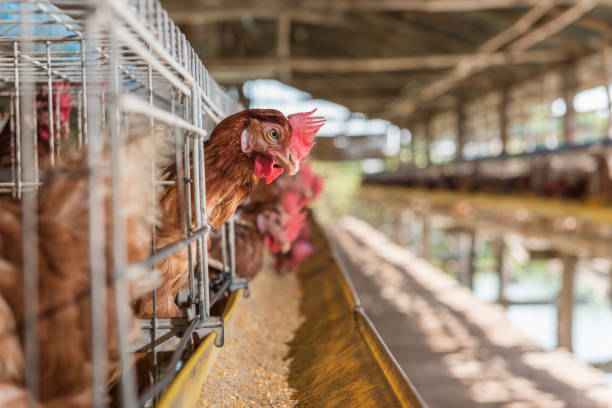
Material Quality and Durability: Invest in cages constructed from high-quality galvanized steel that can withstand corrosion and wear. Durable materials ensure a longer lifespan and minimize replacement costs.
Maximizing Profitability with Chicken Cages
Simply investing in cages isn’t enough. To truly reap the benefits, consider these strategies for maximizing profitability:
Optimize Stocking Density: Adhere to recommended stocking densities to avoid overcrowding, stress, and increased disease risk. Properly managed stocking density will encourage the best rates of production so you can ensure a high yield.
Implement Proper Feeding and Watering Systems: Ensure uniform access to fresh, clean food and water. Automated systems can minimize feed waste and maintain consistent water supply.
Maintain a Clean and Sanitary Environment: Regularly clean and disinfect cages to prevent disease outbreaks. Effective sanitation protocols are fundamental to bird health.
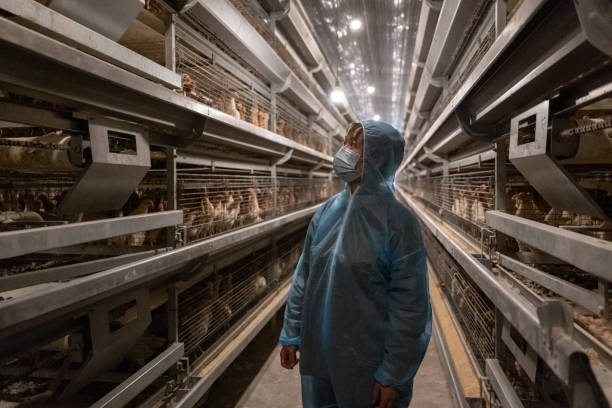
Implement a Biosecurity Plan: Restrict access to the farm, control pests, and implement vaccination programs to protect your flock from diseases. This will decrease costs of treatment and encourage healthier birds.
Monitor Bird Health and Performance: Regularly monitor your flock for signs of illness or decreased productivity. Early detection and intervention can prevent significant losses.
Keep Accurate Records: Track feed consumption, egg production (if applicable), mortality rates, and other key performance indicators. This data will help you identify areas for improvement and optimize your operation.
Source Quality Chicks: Invest in chicks from reputable hatchery which have been carefully bred to be high yielding. The health of the chicks when you get them will majorly influence later yield.
Provide Adequate Lighting: Lighting schedules can significantly influence egg production in layers. Implement a consistent lighting program to stimulate egg laying but take care not to disrupt their sleep cycle.
Finding Cost-Effective Solutions in Nigeria
Sourcing chicken cages can be done in the following methods to ensure you get the best deal.
Local Manufacturers: Partner with local manufacturers of poultry equipment. This could reduce transportation costs and facilitate easier communication and customization.
Import Options: Explore importing cages from reputable international suppliers. Compare prices, shipping costs, and import duties to determine the most cost-effective option.
Used Equipment: Consider purchasing used cages in good condition. Thoroughly inspect used equipment for damage and ensure it meets your requirements.
Negotiate Prices: Don’t hesitate to negotiate prices with suppliers. Bulk purchases often result in better deals.
Compare Quotes: Obtain quotes from multiple suppliers before making a decision. Compare prices, features, and warranty terms.
Consider Payment Plans: Ask suppliers about payment plans or financing options to ease the financial burden.
Examples of Cost-Effective Scenarios
Scenario 1: Small-Scale Farm with Limited Budget: An A-frame cage system with manual feeding and egg collection could be the most budget-friendly option. Focus on maximizing space utilization within the available land.
Scenario 2: Medium-Scale Farm with Labor Constraints: An H-frame cage system with semi-automated feeding and watering systems can reduce labor costs while boosting productivity.
Scenario 3: Large-Scale Farm Prioritizing Efficiency: A fully automated H-frame cage system with climate control and advanced monitoring systems can maximize efficiency and profitability, albeit with a higher initial investment.
Conclusion
Selecting the right chicken cage solution for a 30,000-bird poultry farm in Nigeria is a critical step towards achieving success. By carefully considering budget, farm size, level of automation, bird welfare, and other essential factors, farmers can make informed decisions that optimize productivity, reduce costs, and enhance profitability. Investing in quality equipment, implementing effective management practices, and remaining attentive to market trends are essential for long-term sustainability and growth in the dynamic Nigerian poultry industry. It is also important to carefully research your options, and take into account the various conditions on your farm so you can maximize the life and utility of any potential chicken cages. By exploring various ways to source your equipment, you will save money and improve your farm management overall.