Find Reliable 10000-Layer Battery Cages Suppliers in Nigeria
Find Reliable 10000-Layer Battery Cages Suppliers in Nigeria
Nigeria’s poultry industry is experiencing substantial growth, driven by increasing demand for eggs and chicken. For poultry farmers aiming to scale their operations, investing in high-capacity layer battery cages is a strategic move. Layer battery cages offer improved space utilization, better management of poultry, and increased egg production. However, sourcing reliable suppliers for 10000-layer battery cages in Nigeria is crucial to ensure quality, durability, and optimal performance. This article will guide you through finding reputable suppliers, understanding key considerations, and ensuring a successful investment in battery cages for your poultry farm.
Understanding the Significance of Layer Battery Cages
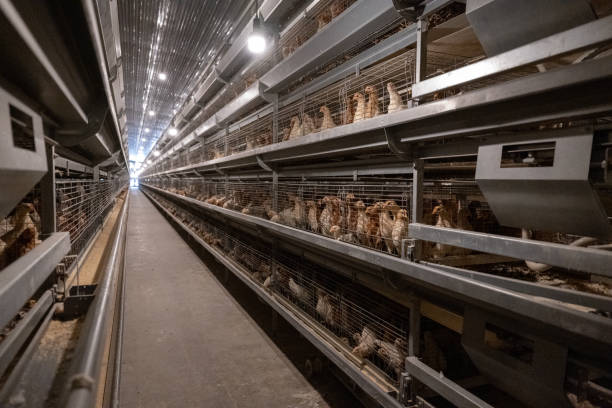
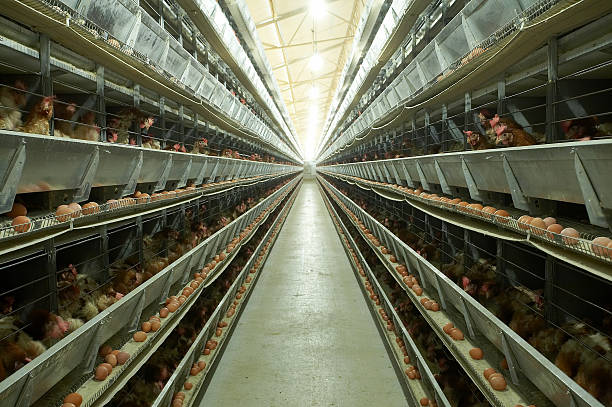
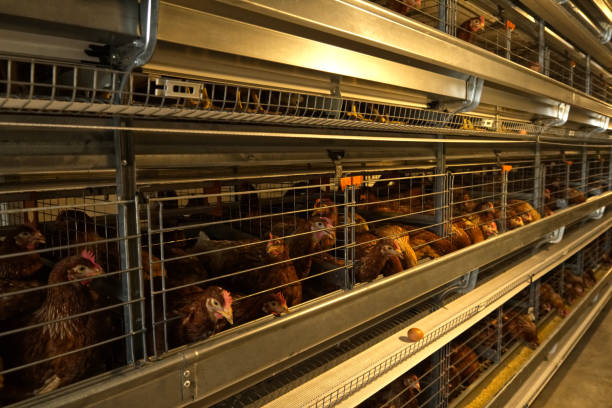
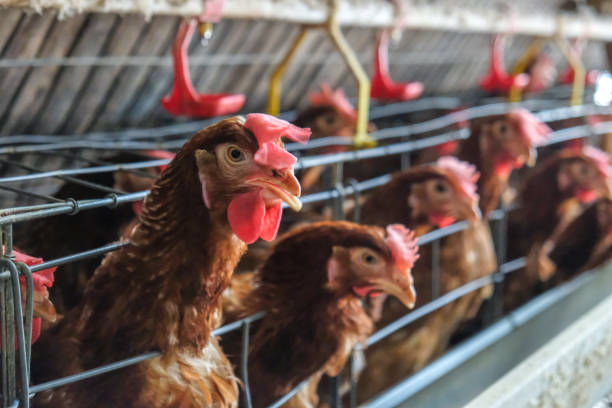
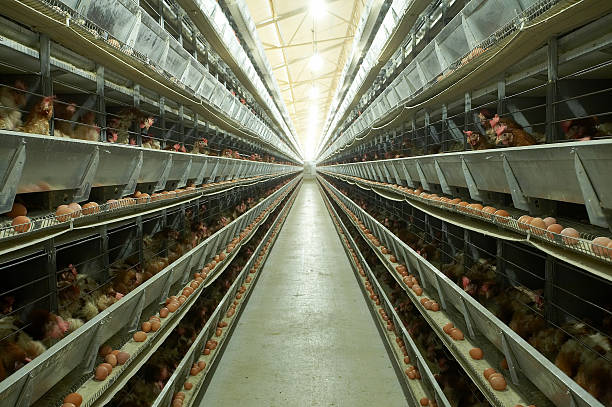
Layer battery cages are designed to house multiple laying hens in a structured environment. These cages are typically arranged in tiers or rows, maximizing the use of available space. The benefits of using layer battery cages include:
Optimized Space Utilization: Battery cages allow for a higher density of birds per square meter compared to free-range or deep litter systems.
Improved Management: Individual cages make it easier to monitor and manage each hen’s health, feeding, and egg production.
Enhanced Egg Collection: Eggs roll out of the cages into collection troughs, reducing breakage and simplifying the collection process.
Better Hygiene: Cages with proper manure management systems help to maintain a cleaner environment, reducing the risk of disease outbreaks.
Increased Production: The controlled environment and optimized management practices can lead to higher egg production rates.
Key Considerations When Choosing a Battery Cage Supplier
Selecting the right supplier for your 10000-layer battery cages is a critical decision that can significantly impact the success of your poultry farm. Here are several key considerations to keep in mind.
Quality of Materials and Construction: The durability of the battery cages depends heavily on the materials used and the quality of construction. Look for suppliers that use high-quality galvanized steel or other corrosion-resistant materials. The cage structure should be sturdy and well-welded to withstand the daily wear and tear of poultry farming.
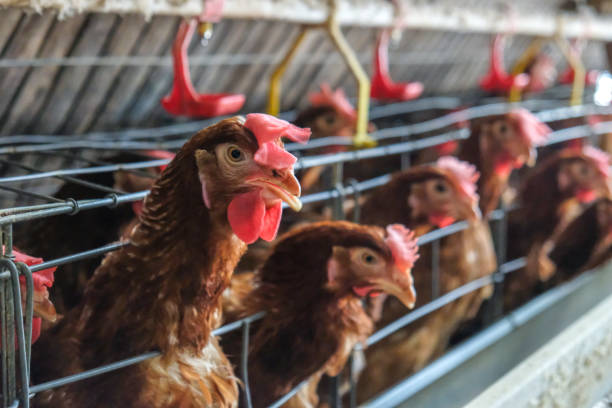
Design and Functionality: A well-designed battery cage system should provide adequate space for the hens to move comfortably, access feed and water easily, and lay eggs in a clean and safe environment. Consider features such as adjustable watering systems, efficient feeding troughs, and egg collection mechanisms.
Manure Management System: Effective manure management is essential for maintaining a hygienic environment and reducing the risk of disease. Look for cages that incorporate manure removal systems, such as scrapers or belts, to ensure efficient waste disposal.
Ventilation and Climate Control: Proper ventilation is crucial for maintaining optimal air quality and temperature inside the poultry house. Ensure that the cage design allows for adequate airflow and consider integrating climate control systems, such as fans or evaporative coolers, to regulate temperature and humidity.
Automation Features: Automation can significantly reduce labor costs and improve efficiency in your poultry farm. Consider suppliers that offer automated feeding, watering, and egg collection systems. These features can streamline your operations and allow you to focus on other critical aspects of your business.
Certifications and Standards: Ensure that the supplier’s products meet international quality standards and certifications, such as ISO 9001. This indicates that the supplier has a robust quality management system in place and is committed to delivering high-quality products.
Supplier Reputation and Experience: Choose a supplier with a proven track record of providing reliable products and excellent customer service to the Nigerian poultry industry. Check online reviews, testimonials, and references to gauge the supplier’s reputation and experience.

After-Sales Service and Support: Opt for a supplier that offers comprehensive after-sales service and support, including installation assistance, maintenance services, and spare parts availability. This will ensure that you can keep your battery cage system running smoothly for years to come.
Cost and Value: While cost is an important consideration, it should not be the sole determining factor. Focus on finding a supplier that offers the best value for your money, considering the quality, durability, and features of the battery cages.
Local Presence and Accessibility: Choosing a supplier with a local presence or established distribution network in Nigeria can be advantageous. This can facilitate faster delivery, easier communication, and more responsive after-sales service.
Finding Reliable Battery Cage Suppliers in Nigeria
Identifying reliable battery cage suppliers in Nigeria requires thorough research and due diligence. Here are some effective strategies to help you find the right supplier for your needs.
Online Research: Start by conducting online research to identify potential suppliers. Use search engines like Google to find suppliers that specialize in poultry equipment and battery cages in Nigeria. Explore their websites to gather information about their products, services, and company background.
Industry Associations and Trade Shows: Contact local poultry industry associations and attend trade shows to network with suppliers and learn about the latest products and technologies. These events provide an excellent opportunity to meet suppliers in person, ask questions, and compare different options.
Referrals and Recommendations: Seek referrals and recommendations from other poultry farmers in Nigeria. Ask about their experiences with different suppliers and which ones they would recommend based on quality, reliability, and service.
Supplier Verification: Once you have identified a few potential suppliers, verify their credentials and reputation. Check their registration with relevant authorities, such as the Corporate Affairs Commission (CAC), and ask for references from previous customers.
Site Visits and Inspections: If possible, arrange site visits to the suppliers’ manufacturing facilities or warehouses to assess their production capacity, quality control processes, and inventory management practices. This will give you a firsthand look at their operations and help you make a more informed decision.
Top Suppliers to Consider
While specific recommendations may vary based on current market dynamics, here are some general categories of suppliers to investigate, along with factors to consider when evaluating them:
International Manufacturers with Local Distributors: Several reputable international manufacturers of battery cages have established distribution networks in Nigeria. These distributors offer the advantage of high-quality products backed by global expertise, along with local support and service.
Factors: Product quality, warranty, local support capabilities, spare parts availability, and price competitiveness.
Local Manufacturers: Nigeria has a growing number of local manufacturers that produce battery cages to meet the needs of the domestic poultry industry. These manufacturers often offer more competitive pricing and faster delivery times.
Factors: Manufacturing quality, compliance with industry standards, availability of customization options, and after-sales service.
Importers and Trading Companies: Importers and trading companies source battery cages from various manufacturers and sell them to poultry farmers in Nigeria. These companies can offer a wide range of options at different price points.
Factors: Source of products, quality control measures, warranty provisions, and customer service.
Ensuring a Successful Investment in Battery Cages
Once you have selected a supplier and purchased your 10000-layer battery cages, there are several steps you can take to ensure a successful investment and maximize the return on your investment.
Proper Installation: Ensure that the battery cages are installed correctly according to the supplier’s instructions and industry best practices. Proper installation is essential for the structural integrity and functionality of the cages.
Training and Education: Provide adequate training and education for your farm workers on the proper use, maintenance, and cleaning of the battery cages. This will help to prevent damage, prolong the lifespan of the cages, and maintain a hygienic environment for your hens.
Regular Maintenance: Implement a regular maintenance schedule to inspect and repair any damage or wear and tear on the battery cages. This includes checking the watering systems, feeding troughs, manure removal systems, and structural components.
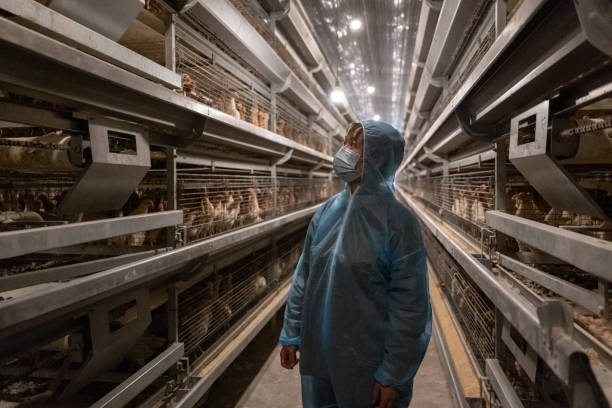
Biosecurity Measures: Implement strict biosecurity measures to prevent the spread of disease in your poultry farm. This includes controlling access to the farm, disinfecting equipment and vehicles, and implementing a vaccination program for your hens.
Monitoring and Evaluation: Continuously monitor and evaluate the performance of your battery cage system. This includes tracking egg production rates, feed consumption, water usage, and mortality rates. Use this data to identify areas for improvement and optimize your management practices.
Effective Manure Management: Maintain an effective manure management system to prevent the build-up of waste and reduce the risk of disease. Regularly remove manure from the cages and dispose of it properly in accordance with environmental regulations.
Climate Control: Ensure that your poultry house is properly ventilated and temperature-controlled to create a comfortable environment for your hens. This will help to improve their health, welfare, and productivity.
Conclusion
Investing in 10000-layer battery cages can significantly enhance the efficiency and productivity of your poultry farm in Nigeria. By carefully considering the factors outlined in this article and conducting thorough research to find a reliable supplier, you can make a smart investment that will pay off in the long run. Remember to prioritize quality, durability, functionality, and after-sales service when choosing a supplier. With the right battery cage system and proper management practices, you can achieve higher egg production rates, improved hen welfare, and increased profitability for your poultry farm.