Finding Reliable Poultry Farming Equipment Suppliers: A Guide for African Farmers
Finding Reliable Poultry Farming Equipment Suppliers: A Guide for African Farmers
Poultry farming is a rapidly growing sector in Africa, providing livelihoods and contributing significantly to food security. However, to maximize profitability and efficiency, African farmers need access to reliable and high-quality poultry farming equipment. Choosing the right supplier can be a daunting task, but this guide will provide valuable insights into identifying and selecting the best partners for your poultry operation.
Understanding Your Needs: Laying the Foundation for Success
Before embarking on the quest for a supplier, take some time to analyze your specific requirements. This crucial initial step will ensure you find a supplier who can truly meet your needs. Consider the following factors:
Scale of Operation: Are you a small-scale farmer with a few hundred birds or a large-scale commercial operation with thousands? This will significantly impact the type and volume of equipment you need.
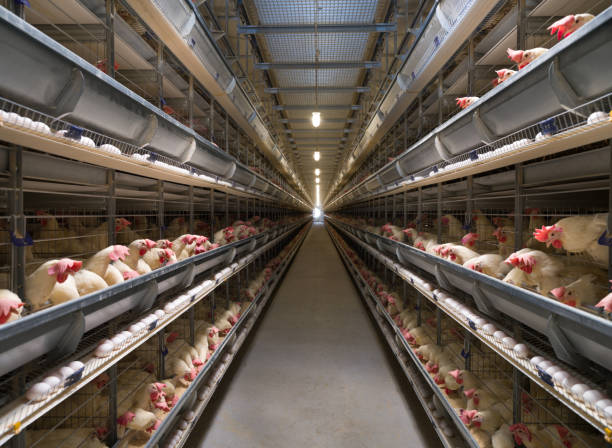
Type of Poultry: Do you raise broilers (meat chickens), layers (egg-laying chickens), or both? Different types of poultry require specialized equipment. Broiler farming prioritizes fast growth and efficient meat production, requiring equipment like broiler cages and specialized feeding systems, and drinking lines designed for rapid weight gain. Layer farming concentrates on consistent egg production, necessitating layer cages engineered for optimal egg collection, comfortable laying environments, and efficient feeding and watering systems that support consistent egg quality.
Budget: Determine your budget beforehand. Quality equipment is an investment, but it’s essential to balance cost with long-term reliability and efficiency.
Climate: Africa has diverse climates. Select equipment that is suitable for your specific region. Consider factors like temperature, humidity, and ventilation needs. In humid coastal regions, ventilation systems become critical to prevent the buildup of ammonia and moisture, reducing the risk of respiratory diseases. In arid regions, water conservation is crucial; therefore, consider nipple drinking systems that minimize water wastage.
Local Regulations: Be aware of any local regulations or standards related to poultry farming and ensure that the equipment you choose complies with them.
Essential Poultry Farming Equipment and What to Look For
Understanding the different types of equipment available is crucial for informed decision-making. Here’s a breakdown of some essential pieces:
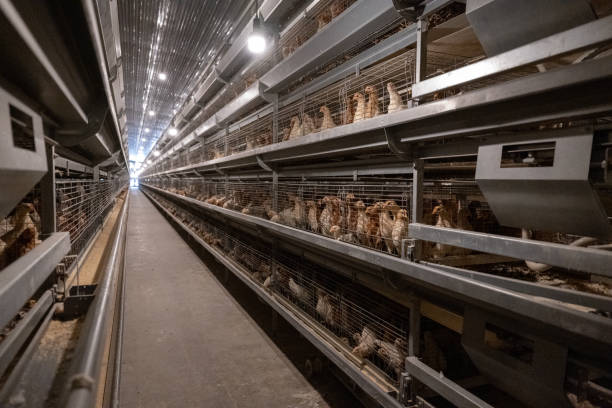
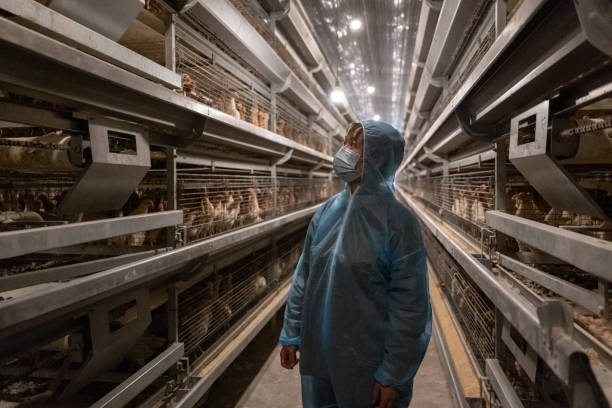
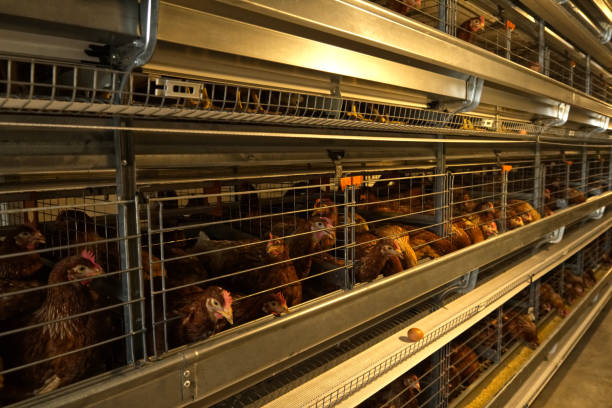
Poultry Cages: Cages provide a controlled environment for your birds, improving hygiene, reducing disease spread, and maximizing space utilization. There are two main types:
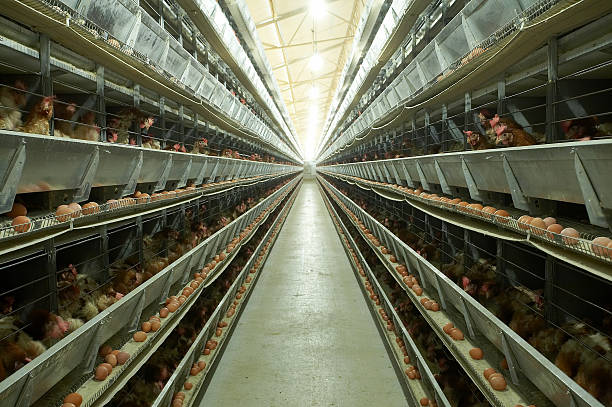
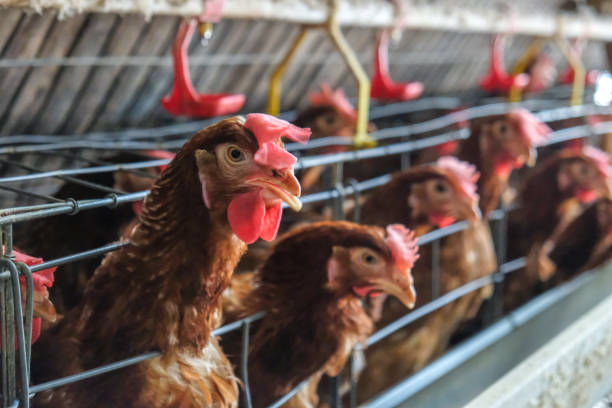
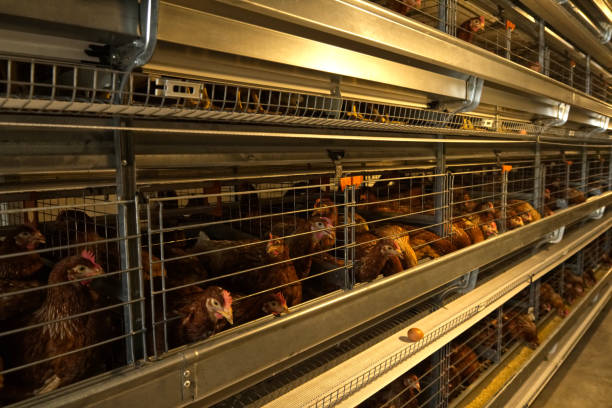
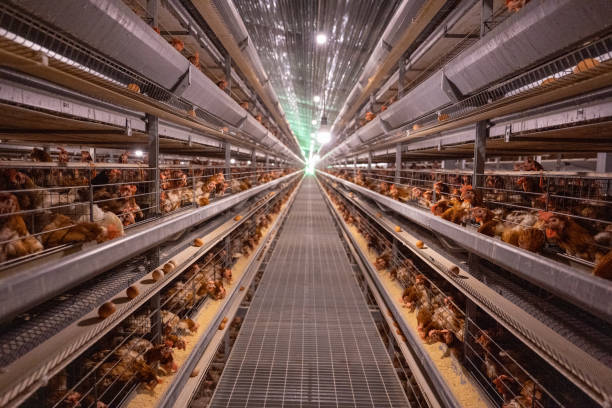
Layer Cages: Designed for egg-laying hens, these cages often include features like sloped floors for easy egg collection and comfortable perches. Look for durable construction, adequate ventilation, and easy access for feeding and watering. The optimal design should also allow for easy manure removal to maintain a clean environment. Look for features like adjustable compartments to accommodate bird size and density, smooth wire mesh to prevent injury, and corrosion-resistant materials for longevity. Selecting the right layer cage system can directly impact egg production, reduce egg breakage, and improve overall hen welfare.
Broiler Cages: Designed for meat chickens, broiler cages focus on optimizing growth and feed conversion. Ensure the cages provide ample space for movement and are made of sturdy materials that can withstand the rapid growth of the birds. Ventilation and temperature control are particularly important for broiler welfare. Broiler cages should prioritize bird comfort to encourage rapid weight gain and minimize stress. Features like impact-resistant floors and rounded edges can help prevent injuries. The cage design should also optimize airflow to maintain a comfortable temperature and reduce the risk of respiratory problems. Easy access for feeding, watering, and efficient cleaning will save time and labor.
Feeding Systems: Efficient feeding is critical for poultry health and productivity.
Automatic Feeding Systems: These systems deliver feed automatically at pre-set intervals, reducing labor costs and ensuring consistent feed availability. Look for systems with adjustable feed levels and durable construction. The feed distribution system should be reliable and even, preventing competition and ensuring all birds receive adequate nutrition. Key features include automated feed dispensing, adjustable feed levels to suit different growth stages, easy-to-clean components to prevent contamination, and durable construction to withstand the demanding environment of a poultry house.
Manual Feeding Systems: Simpler and more affordable, manual feeding systems require more labor but can be a good option for smaller operations. Choose feeders that are easy to clean and prevent feed wastage. These systems provide farmers with greater control over feed distribution and allow for closer monitoring of bird health.
Drinking Systems: Clean and accessible water is essential for poultry health.
Nipple Drinking Systems: These systems provide a constant supply of clean water, reducing water wastage and minimizing the risk of contamination.
Bell Drinkers: A more traditional option, bell drinkers are less expensive but require more frequent cleaning. Opt for drinkers made of durable, non-toxic materials and ensure they are easy to clean.
Ventilation Systems: Proper ventilation is crucial for maintaining a healthy environment, removing ammonia, and regulating temperature and humidity.
Exhaust Fans: These fans remove stale air and introduce fresh air into the poultry house. Selecting the right size and number of fans is essential for adequate ventilation. Look for energy-efficient models to reduce operating costs.
Circulation Fans: These fans help to circulate air within the poultry house, preventing stagnant air pockets and ensuring even temperature distribution.
Manure Removal Systems: Efficient manure removal is essential for maintaining hygiene and preventing the buildup of harmful gases.
Scraper Systems: These systems use mechanical scrapers to remove manure from the poultry house. They are generally used in cage systems and are available in automated options to minimize the workload.
Deep Litter Systems: In this system, manure accumulates on the floor of the poultry house and is removed periodically. Proper management is essential to prevent ammonia buildup and maintain good hygiene.
Egg Collection Systems (for Layers): Automating egg collection can significantly reduce labor costs and minimize egg breakage.
Automatic Egg Collection Systems: These systems use conveyor belts to transport eggs from the cages to a central collection point. They require a significant investment but can greatly improve efficiency.
Manual Egg Collection: Collecting eggs by hand is a more labor-intensive option but can still be efficient with well-designed cages and a dedicated team.
Lighting Systems: Proper lighting is crucial for stimulating egg production in layers and promoting growth in broilers.
LED Lighting: Energy-efficient LED lights are a cost-effective option for poultry houses. They can be programmed to simulate natural daylight cycles, which can improve bird health and productivity. The intensity and duration of lighting can be adjusted to optimize growth and egg production, reducing energy consumption and creating a comfortable environment for the birds.
How to Find Reputable Poultry Farming Equipment Suppliers in Africa
Finding the right supplier requires careful research and due diligence. Here are some effective strategies:
Attend Agricultural Trade Shows and Exhibitions: These events are a great opportunity to meet suppliers, see their products firsthand, and compare prices. Many agricultural trade shows in Africa feature poultry equipment, allowing you to assess quality and suitability for local conditions.
Network with Other Farmers: Talk to other poultry farmers in your area and ask for recommendations. Their experiences can provide valuable insights into the reliability and quality of different suppliers. Local farmer associations can connect you with experienced poultry farmers who can offer advice and recommendations based on their firsthand experiences.
Online Research: Use the internet to research suppliers and read reviews. Look for suppliers with websites that provide detailed information about their products and services. Check for online reviews and testimonials from other customers.
Check Local Agricultural Agencies: Government agricultural agencies often have lists of approved suppliers and can provide valuable advice on selecting the right equipment. These agencies can also provide information on subsidies or financial assistance programs that may be available for purchasing equipment.
Consider International Suppliers: Don’t limit your search to local suppliers. Many international companies offer high-quality poultry farming equipment at competitive prices. However, factor in shipping costs, import duties, and after-sales service when considering international options. Look for international suppliers with a strong presence in Africa or partnerships with local distributors to ensure timely support and spare parts availability.
Visit Supplier Facilities: If possible, visit the supplier’s factory or warehouse to assess their operations and quality control processes. This will give you a firsthand look at the quality of their products and their commitment to customer service. Pay attention to the cleanliness of the facilities and the organization of the warehouse, as these can be indicators of the supplier’s overall professionalism.
Request Quotes and Compare Prices: Get quotes from multiple suppliers and compare prices. However, don’t just focus on the lowest price. Consider the quality of the equipment, the warranty offered, and the supplier’s reputation for customer service. A slightly higher price for a more reliable product can save you money in the long run by reducing downtime and maintenance costs.
What to Look for in a Reliable Supplier: Key Indicators of Trustworthiness
Choosing a supplier is a long-term partnership. Here are crucial attributes to look for:
Experience and Reputation: Choose a supplier with a proven track record in the poultry industry. Look for companies with years of experience and positive customer reviews. A supplier with a long history of serving the African market is likely to understand the unique challenges and requirements of local farmers.
Quality of Products: The equipment should be made of durable, high-quality materials that can withstand the rigors of daily use. Ask for samples or request a demonstration of the equipment before making a purchase. Conduct thorough inspections of equipment samples to ensure they meet your standards for durability, functionality, and safety.
Warranty and After-Sales Service: A reliable supplier should offer a comprehensive warranty on their equipment and provide after-sales service, including installation, maintenance, and repairs. Ensure the warranty covers key components and that the supplier has a local service center or a network of trained technicians who can provide timely support.
Technical Support: A knowledgeable supplier should be able to provide technical support to help you choose the right equipment and troubleshoot any problems. Inquire about the availability of training programs for your farm staff to ensure they can operate and maintain the equipment effectively.
Spare Parts Availability: Ensure that the supplier can provide spare parts quickly and easily. This will minimize downtime and prevent production losses. A supplier with a local warehouse or a reliable supply chain can ensure that spare parts are readily available when needed.
Compliance with Standards: The equipment must meet relevant safety and quality standards. Ask for certifications or test reports to verify compliance. Compliance with international standards can provide assurance of product quality and safety, while compliance with local standards ensures that the equipment meets the specific requirements of your region.
Financial Stability: Choose a supplier that is financially stable and can be relied upon to fulfill their obligations. Check the supplier’s credit rating or ask for references from other customers. A financially stable supplier is more likely to be able to provide long-term support and honor warranty claims.
Local Presence: See if the supplier has a local presence or partnerships in your area. Having easily accessible local representatives and technicians can save money and time and allow you to maintain your equipment faster.
Common Mistakes to Avoid When Choosing a Supplier
Focusing Solely on Price: While price is important, don’t compromise on quality. Cheap equipment may end up costing you more in the long run due to repairs, downtime, and reduced productivity.
Ignoring After-Sales Service: Neglecting to consider after-sales service can be a costly mistake. Make sure the supplier offers adequate support and spare parts availability.
Not Checking References: Always check references from other customers before making a decision. This will give you a better understanding of the supplier’s reputation and reliability.
Failing to Visit the Supplier: If possible, visit the supplier’s factory or warehouse to assess their operations and quality control processes.
Overlooking Local Climate Considerations: Failing to consider the local climate can result in decreased performance and lifespan of equipment.
Building a Long-Term Partnership
Choosing a poultry farming equipment supplier is not just a transaction; it’s about building a long-term partnership. By following these guidelines, African farmers can identify reliable suppliers who can provide the equipment and support they need to succeed in the poultry industry. Look for the supplier who can grow with you as your farm expands. Open communication, transparent pricing, and mutual respect are essential for a successful partnership.