Finding the Best Layer Cages for Your Poultry Farm: A Buyer’s Guide
Finding the Best Layer Cages for Your Poultry Farm: A Buyer’s Guide
Running a poultry farm, especially one focused on egg production, demands careful attention to detail. One of the most critical decisions you’ll make is choosing the right layer cages for your hens. These cages directly impact your chickens’ health, your farm’s efficiency, and ultimately, your profitability. Selecting the right layer cages can feel overwhelming with so many options available, so this buyer’s guide will walk you through the key considerations to help you make an informed decision.
Why Layer Cages Matter
Before diving into the specifics, let’s understand why choosing the right layer cages is so important. Layer cages aren’t just enclosures; they are integral to:
Hen Welfare: The design and features of the cage determine how comfortably your hens live. Ample space, proper ventilation, and easy access to food and water are essential for their well-being.
Egg Production: Happy and healthy hens lay more eggs. Cages that minimize stress and promote comfort contribute to higher egg production rates.
Disease Control: Well-designed cages facilitate better hygiene, reducing the risk of disease outbreaks. Proper waste management and easy cleaning are crucial.
Farm Efficiency: Optimally designed cages streamline egg collection, feeding, and cleaning processes. This translates to reduced labor costs and improved overall efficiency.
Space Utilization: Cages allow for a higher density of birds per square foot compared to free-range systems, maximizing your farm’s productivity.
Types of Layer Cages
Layer cages come in various types, each with advantages and disadvantages. Understanding these differences is crucial for selecting the best option for your farm.
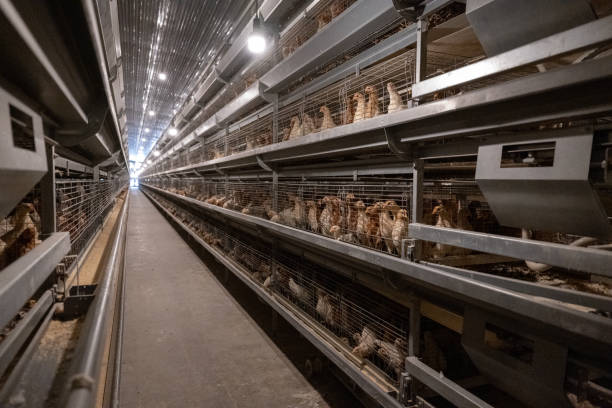
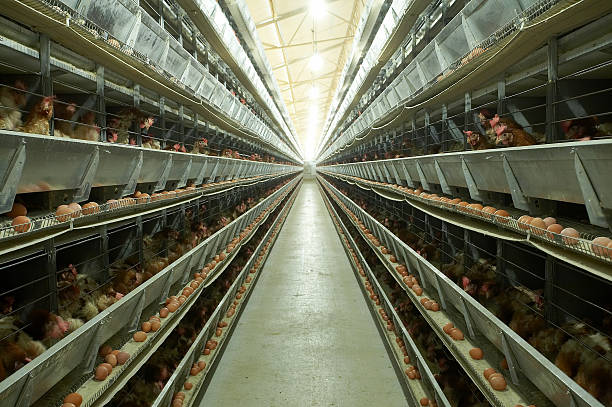
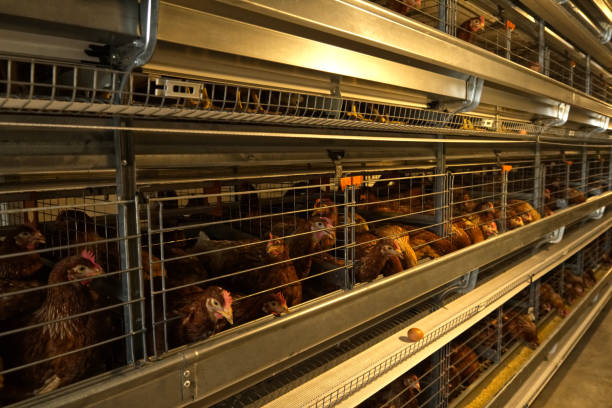
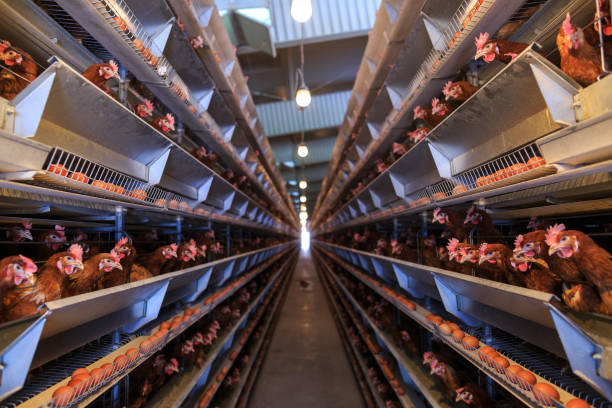
Traditional Battery Cages: These are the most basic and often the least expensive type of cage. They typically consist of rows of small, wire cages stacked on top of each other. While they allow for high-density housing, they have faced criticism for their impact on hen welfare due to limited space and movement.
Modified/Enriched Cages: These cages offer improvements over traditional battery cages. They include features like perches, scratching areas, and nest boxes to allow hens to express more natural behaviors. While they provide better welfare conditions, they may also require more space.
A-Frame Cages: These have a sloped design, with the egg rolling forward for easier collection. They offer good ventilation and are relatively easy to clean. They are somewhere between battery and enriched cages in terms of hen welfare.
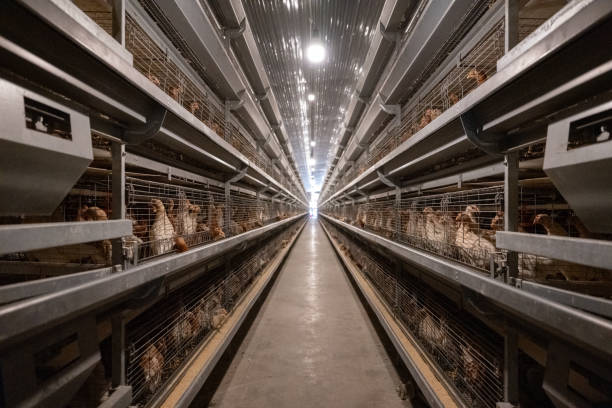
H-Frame Cages: These cages are arranged in a horizontal “H” shape. They provide good access for feeding and egg collection and are often automated for increased efficiency. They tend to be more expensive than A-frame cages but can improve labor efficiency significantly.
Manure Belt Cages: These cages incorporate a manure belt system that automatically removes waste from under the cages. This significantly reduces labor and improves hygiene. They are a step up regarding cleanliness and ventilation.
Pullet Cages: Pullet cages are used to raise young chicks from day one to around 16~18 weeks old. These are usually 3 or 4 tiers to manage the flux density of the raising birds so as to make them grow healthily.
Factors to Consider When Choosing Layer Cages
Now that you know the types of cages, let’s discuss the factors you should consider when making your selection:
Hen Welfare: This should be your top priority. Ensure the cages provide adequate space per bird according to local regulations and best practices. Consider cages with features that allow hens to express natural behaviors, such as perching, nesting, and scratching.
Cage Size and Capacity: Determine the appropriate cage size based on the number of hens you plan to house. Too small, and the birds will be stressed. Too big, and you are wasting space. Check government regulations on the area per bird.
Material and Durability: Look for cages made from high-quality, corrosion-resistant materials like galvanized steel. The cages should be sturdy and durable to withstand daily use and cleaning.
Ventilation: Proper ventilation is crucial to remove ammonia and moisture, which can lead to respiratory problems in hens. Choose cages with a design that promotes good airflow.
Lighting: Make sure you are using the right color temperature and brightness of lighting as chickens are very sensitive to lighting.
Feeding and Watering Systems: Select cages with efficient feeding and watering systems that ensure all hens have access to food and water. Automatic systems can save you huge on labor costs.
Egg Collection: Consider how the eggs will be collected. Cages with sloped floors and automatic egg collection systems can significantly reduce labor costs and egg breakage.
Waste Management: Choose cages with a waste management system that is easy to clean and maintain. Manure belts or other automatic removal systems can greatly improve hygiene and reduce labor.
Ease of Assembly and Maintenance: Opt for cages that are easy to assemble and maintain. Simple designs with readily available replacement parts will save you time and money in the long run.
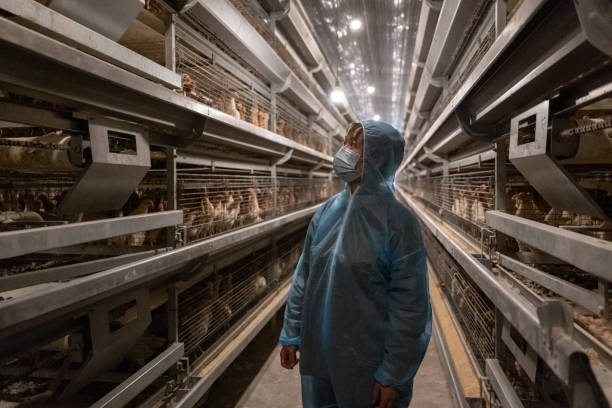
Biosecurity: Select cage systems that support biosecurity practices. Ease of cleaning and disinfection is paramount to prevent the spread of diseases.
Cost: While cost is a factor, consider the long-term investment. Cheaper cages may have lower upfront costs but could lead to higher maintenance costs, lower egg production, and reduced hen welfare in the long run.
Regulations: Ensure the cages comply with local, regional, and national regulations regarding hen welfare and housing.
Deep Dive into Specific Features
Let’s take a closer look at some specific features to consider when evaluating layer cages:
Floor Type: Wire mesh floors are common but can cause foot problems if the wire is too thin or the mesh is too large. Consider cages with plastic-coated or padded floors to improve hen comfort.
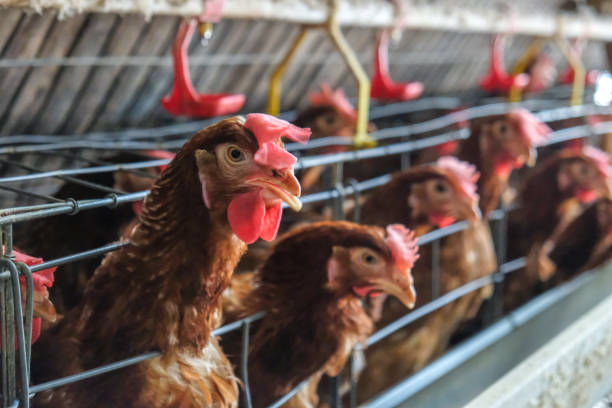
Nipple Drinkers: Nipple drinkers are a hygienic and efficient way to provide water to hens. Ensure the drinkers are properly sized and positioned for easy access.
Feed Troughs: Feed troughs should be designed to prevent feed wastage and ensure all hens can access the feed easily. Adjustable troughs are a plus, as you can adjust them for the stage of growth.
Egg Roll-Out: The angle of the egg roll-out should be gentle enough to prevent egg breakage but steep enough to ensure the eggs roll out smoothly.
Cage Door Design: The cage door design should allow for easy access to the hens for inspection and handling without causing stress.
Automation: The Future of Layer Cages
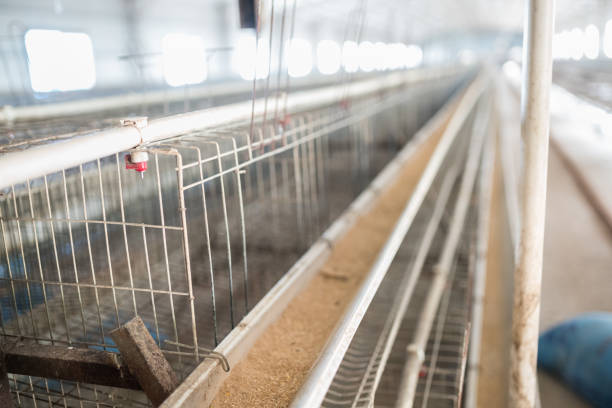
Automation is playing an increasingly important role in modern poultry farms. Automated layer cage systems can significantly improve efficiency and reduce labor costs. Here are some key automation features to consider:
Automatic Feeding: Automated feeding systems deliver feed to the cages at predetermined intervals, ensuring all hens receive the right amount of feed.
Automatic Watering: Automated drinking systems provide a constant supply of fresh water to the hens.
Automatic Egg Collection: Automated egg collection systems gather eggs from the cages and transport them to a central collection point, reducing labor and egg breakage.
Automatic Manure Removal: Automated manure removal systems remove waste from under the cages, improving hygiene and reducing odors.
Climate Control: Automated climate control systems regulate temperature, humidity, and ventilation inside the poultry house, creating optimal conditions for hen health and egg production.
Working with a Poultry Equipment Supplier
Choosing the right poultry equipment supplier is just as important as selecting the right layer cages. A reputable supplier can provide valuable advice, support, and after-sales service. Here are some tips for choosing a supplier:
Experience and Reputation: Look for a supplier with a proven track record and a good reputation in the industry.
Product Range: Choose a supplier that offers a wide range of layer cages and related equipment.
Customization Options: Opt for a supplier that can customize cages to meet your specific needs and requirements.
Technical Support: Ensure the supplier provides comprehensive technical support, including installation, training, and troubleshooting.
Warranty and After-Sales Service: Choose a supplier that offers a warranty on their products and provides reliable after-sales service.
Customer Reviews and Testimonials: Check online reviews and testimonials to get an idea of other customers’ experiences with the supplier.
Installation and Maintenance
Once you’ve selected your layer cages, proper installation and maintenance are crucial to ensure their longevity and optimal performance. Here are some tips:
Follow the Manufacturer’s Instructions: Always follow the manufacturer’s instructions for installation and assembly.
Ensure Proper Alignment: Make sure the cages are properly aligned and leveled to prevent stress on the structure.
Regular Cleaning: Clean the cages regularly to remove manure, debris, and spilled feed.
Inspect for Damage: Inspect the cages regularly for signs of damage, such as broken wires or corroded parts.
Lubricate Moving Parts: Lubricate any moving parts, such as hinges and latches, to ensure smooth operation.
Maintain the Feeding and Watering Systems: Regularly clean and maintain the feeding and watering systems to prevent clogs and ensure proper function.
Keep Records: Keep records of all maintenance and repairs to track the performance of the cages over time.
Cost Analysis: Initial vs. Long-Term
While the initial cost of layer cages is certainly a consideration, it’s vital to look at the long-term cost-effectiveness. A cheaper cage might seem attractive initially, but factors like durability, egg production rates, hen health, and labor expenses can significantly impact your overall profitability. Consider these points:
Durability: A more durable cage, even with a higher initial cost, will require less frequent repairs and replacements, saving you money in the long run.
Egg Production: Cages that promote hen welfare and reduce stress can lead to higher egg production rates, offsetting the initial cost.
Hen Health: Cages that improve hygiene and ventilation can reduce the risk of disease outbreaks, minimizing veterinary costs and mortality rates.
Labor Costs: Automated cage systems can significantly reduce labor costs associated with feeding, watering, egg collection, and waste removal.
Replacement Costs: Lower-cost cages may be made from inferior materials, leading to quicker degradation and the need for replacement sooner than higher-quality cages.
The Future of Layer Cage Technology
The field of layer cage technology is continuously evolving, with ongoing research and development focused on improving hen welfare, increasing efficiency, and reducing environmental impact. Some emerging trends include:
Smart Cages: Cages equipped with sensors that monitor hen health, egg production, and environmental conditions.
Precision Feeding: Systems that deliver feed based on individual hen needs.
Improved Waste Management: More efficient and environmentally friendly waste management systems.
Animal-Centric Design: Cages designed with a greater focus on hen behavior and natural instincts.
Conclusion
Choosing the best layer cages for your poultry farm is a multifaceted decision that requires careful consideration of hen welfare, farm efficiency, cost, and regulations. By understanding the different types of cages, the key factors to consider, and the importance of working with a reputable supplier, you can make informed decisions that will contribute to the success of your egg-laying operation. Remember that investing in a well-designed and maintained layer cage system is an investment in the long-term health and productivity of your flock.