Free Poultry Farm Layout Plan and Equipment Price Estimate in Nigeria
Understanding the Basics of Poultry Farm Layout in Nigeria
Starting a poultry farm in Nigeria requires thoughtful planning to ensure efficiency, productivity, and profitability. One of the most critical steps is designing a practical and functional layout for your poultry farm. Whether you’re planning to go into broiler production, egg-laying operation, or a combination of both, every farmer should have a clear understanding of the layout that suits their operational size and goals.
The layout of a poultry farm must consider several vital factors such as land availability, climate conditions, disease control, and access to resources like water, labor, and transportation. A well-designed layout ensures that the farm runs smoothly, minimizes disease outbreaks, and supports the overall growth of your operation.
Planning Your Poultry Farm Size
The size of your poultry farm depends on the scale of your operation. For small-scale ventures, a capacity of 500 to 1,000 birds is sufficient. Medium-sized farms may accommodate 1,000 to 10,000 birds, while large-scale operations can house tens of thousands of birds. The total land required varies—typically between 1,000 and 10,000 birds may necessitate 1 to 5 acres of land.
The layout of your poultry farm should clearly define spaces for poultry houses, feed storage, veterinary care, egg collection, waste management, and housing for workers. Ensuring that each section is well-organized and logically placed is essential for managing birds efficiently and minimizing stress for both the animals and the workers.
Poultry House Design for Maximum Efficiency
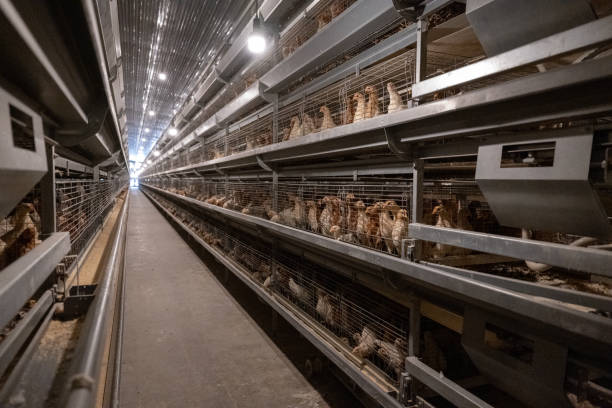
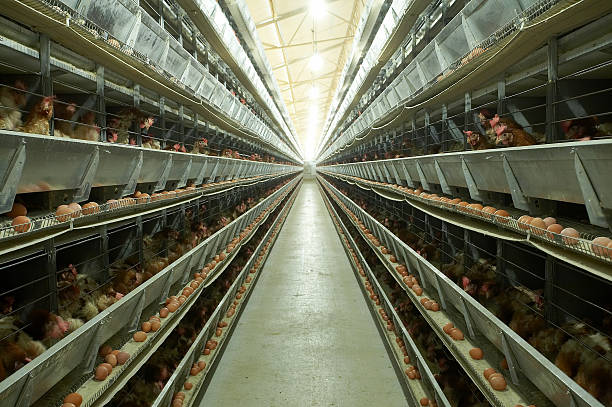
The poultry house must be designed to accommodate the housing system you have chosen—be it battery cages for layer chickens or broiler cages for meat production. Each poultry house should contain the necessary components like automated feeders, waterers, nesting boxes (for layers), and adequate ventilation systems.
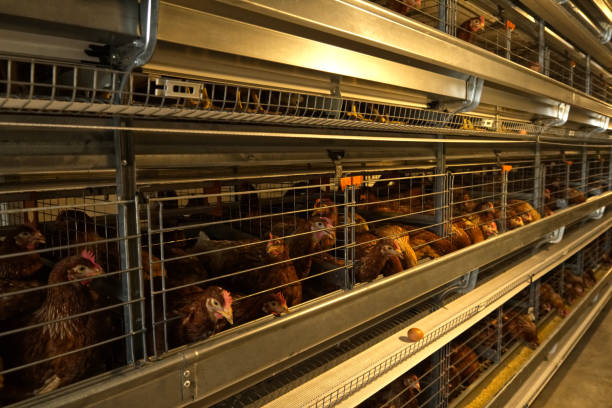
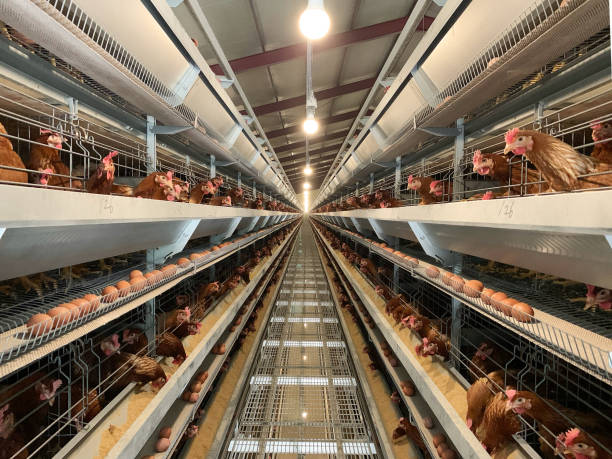
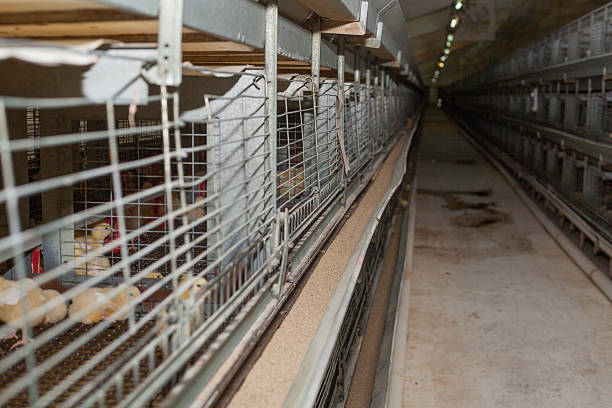
For layer chickens, modern poultry farms in Nigeria often use cage systems for ease of management. These cages are stacked in rows and tiers, allowing for higher stocking capacity without the need for vast land expanses. Broiler cages are also becoming popular, especially among larger farms, for their efficiency and biosecurity advantages.
Your poultry house design must include a ceiling height of at least 2.8 meters, with proper insulation to manage humidity and temperature in Nigeria’s tropical climate. Natural ventilation through properly placed inlets and outlets or the use of tunnel ventilation systems ensures that birds are comfortable at all times, reducing heat stress and improving productivity.
Feed Storage and Distribution
One of the most important aspects of your poultry farm layout is the strategic placement of the feed store. The feed store must be located close to the poultry houses but in a dry, cool area to prevent dampness and contamination. Ideally, it should be made of a durable structure that protects feed from pests like rats, birds, and insects.
Feed delivery systems can be manual or automated based on the scale of operation. Small-scale farmers may use wheelbarrows and buckets, but medium and large farms should consider investing in automated feed conveyors that deliver feed directly to the poultry housing systems. This not only saves time and reduces labor costs but also ensures accurate feeding, preventing food wastage and encouraging optimal bird growth.
Importance of Veterinary and Quarantine Sections
Every Nigerian poultry farm should have a designated veterinary or sick pen area to isolate sick birds and prevent the spread of diseases. This area should be located well apart from the main poultry house to minimize the risk of cross-contamination. Proper disposal methods for sick or dead birds—such as incineration or burial—should also be considered during the planning phase.
Waste Management and Biosecurity
Efficient waste management is critical for a sustainable farm. Litter from cages, as well as manure, needs to be collected regularly and disposed of or processed into compost appropriately. This prevents the build-up of pathogens and keeps the farm environment clean.
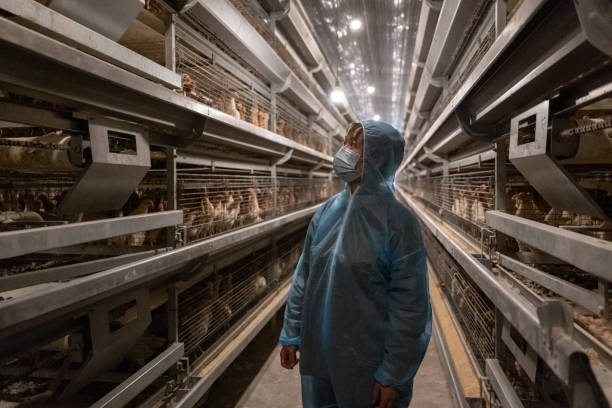
Biosecurity must be a top priority when designing your layout. Install footbaths before entering the poultry houses and restrict visitors to minimize disease transmission risks. Farm workers should wear protective clothing and boots when entering the poultry houses to maintain a clean and disease-free environment.
Necessary Equipment for Poultry Farms in Nigeria
Selecting the right equipment is crucial for the long-term success of your poultry farm. Here’s a list of essential poultry equipment commonly used in Nigerian farms:
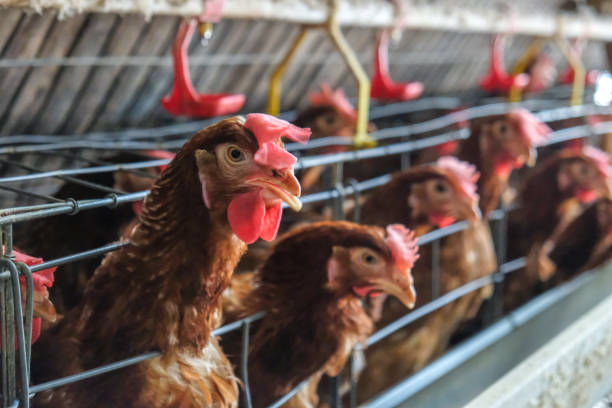
Battery Cages for Layers: These cages are widely used in commercial layer farms due to their space-saving design and convenience in egg collection. Cages vary in design, with options ranging from manually operated systems to fully automated setups.
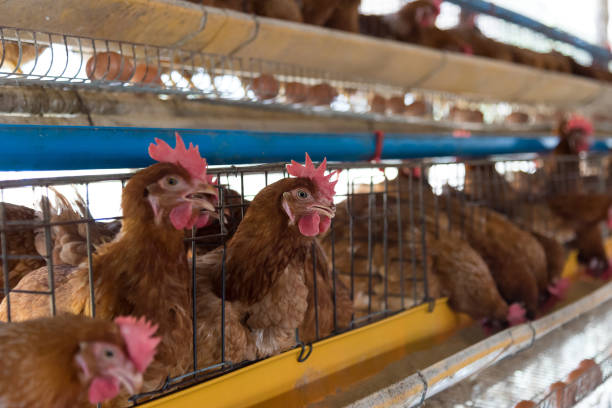
Broiler Cages: Gaining popularity due to their efficient space utilization and ease of management, broiler cages make it easier to maintain hygiene and monitor bird health.
Automatic Feeding and Watering Systems: These systems improve efficiency, reduce labor demands, and help monitor feed and water consumption patterns, which are early indicators of health issues.
Egg Collection Conveyors: For larger layer farms, automated egg conveyors streamline egg collection and reduce breakage and labor costs.
Incubators: Essential for farms that wish to rear their own birds from eggs, incubators provide a controlled environment for hatching.
Generators: Nigeria’s power supply is unpredictable, so it’s advisable to have a generator backup for critical systems like ventilation and lighting.
Ventilation Systems: In a tropical country like Nigeria, effective ventilation is vital for bird comfort and health. Fans and cooling pads can be incorporated for this purpose.
Lighting Systems: Artificial lighting is often used to manage egg production cycles in layer birds. Timers can be used to simulate consistent daylight hours.
Cost Estimates of Poultry Equipment in Nigeria
Investing in high-quality equipment is vital for the long-term sustainability of your poultry farm. While costs may vary based on your farm size, here is an approximate breakdown of equipment costs:
Battery Cages for 1,000 Layers:
Manual System: ₦1.8 million – ₦2 million
Semi-Automatic: ₦2.5 million – ₦3 million
Fully Automated: ₦4 million – ₦5 million
Broiler Cages for 1,000 Birds:
Manual System: ₦1 million – ₦1.2 million
Automated System: ₦1.8 million – ₦2 million
Automatic Feeding System:
For layers: ₦500,000 – ₦1 million
For broilers: ₦400,000 – ₦800,000
Automatic Watering Systems:
Poultry drinkers (nipple or cup): ₦20,000 – ₦50,000 per 1,000 birds
Ventilation and Cooling Systems:
Exhaust fans: ₦80,000 – ₦120,000 per unit
Tunnel ventilation: ₦300,000+
Cooling pads: ₦20,000 – ₦40,000 per unit
Egg Collection Conveyors:
Starting at ₦200,000 for small setups
Generator (20KVA):
₦1 million – ₦1.5 million
Laboratory and Veterinary Kits (Optional):
₦100,000 – ₦300,000
It’s important to note that these prices can fluctuate based on the supplier and location in Nigeria. It’s always best to compare quotes from local suppliers like Livi Machinery, which offers a wide range of poultry equipment at competitive prices.
Tips for Cost Savings in Equipment Purchase
When purchasing poultry equipment, especially for those aiming to start on a small scale, there are several ways to manage costs without compromising on quality:
Buying Second-Hand but Functional Equipment: Some equipment like generators, feeders, and incubators may be available in used markets at lower costs.
Negotiating with Local Suppliers: Many equipment dealers offer bulk discounts or flexible payment plans for farmers.
Phased Investment: Not all equipment needs to be purchased at once. Prioritize essential equipment like housing, feeding, and watering systems first and scale up as your operation grows.
Opt for Semi-Automatic Systems When Possible: For medium-sized farms, semi-automatic systems can offer a good balance between cost and efficiency.
Compare International and Local Brands: While international brands like Livi Machinery offer high-quality equipment built for durability, local alternatives can sometimes be cheaper, though they may not offer the same level of automation.
Selecting the Right Location for Your Poultry Farm
Location is another critical factor in setting up a successful poultry operation in Nigeria. The farm should be located in an area that is easily accessible for farm produce transportation but not too close to residential zones due to odor and noise concerns. It’s also important to check whether the land has proper drainage to prevent flooding, especially during the rainy season.
Additionally, proximity to feed suppliers and major markets can significantly impact your operational costs and efficiency. Farms should be located away from other poultry farms to reduce the risk of disease transmission and should not be close to busy transportation routes where vehicle pollution could affect the birds.
Starting Small and Scaling Up
Beginners are often advised to start with a manageable number of birds—around 500 to 1,000 layers or broilers—before scaling up. Starting small provides an opportunity to learn the intricacies of poultry management, from feeding to disease prevention, before committing to a larger setup.
A phased approach also allows you to invest gradually in equipment, ensuring that each system operates efficiently before expanding. This helps avoid unnecessary financial strain and improves the chances of long-term success.
Choosing the Right Chicken Breed
Selecting the right breed of chicken is important for maximizing productivity. For layers, breeds like Hy-Line Brown, ISA Brown, or Lohmann are popular due to their high egg production rates. Broiler farmers often choose Cobb 700, Ross 308, or Hubbard breeds for fast growth and better meat quality.
Consulting with local veterinary experts or agricultural extension officers can help you make informed decisions about the right breeds for your local conditions and market demand.
The Final Word on Poultry Farming in Nigeria
The poultry industry in Nigeria presents immense opportunities for entrepreneurs willing to commit to the right planning and execution. A well-structured layout designed with practicality and efficiency in mind, combined with quality equipment, can set the stage for a thriving and sustainable business.
Whether you’re setting up a cage system for broilers or layers, or prefer a free-range setup, understanding the technicalities of layout design and equipment investment will go a long way in determining your success. Partnering with reliable equipment suppliers like Livi Machinery ensures that you have access to modern poultry solutions tailored to your needs, whether you run a small-scale farm or manage a large commercial operation.
By focusing on layout, equipment quality, breed selection, and disease control, you stand a better chance of achieving success in Nigeria’s dynamic poultry sector.