Ghana Poultry Farming: Optimizing Your Poultry House for 20,000 Chickens
Ghana Poultry Farming: Optimizing Your Poultry House for 20,000 Chickens
Poultry farming in Ghana is booming. As the demand for chicken and eggs continues to rise, many farmers are looking to expand their operations. Managing a poultry house for 20,000 chickens is no small feat. To be successful, you need to optimize your poultry house design, equipment, and management practices. This article will guide you through the key considerations for achieving optimal productivity and profitability in your poultry operation.
**Choosing the Right Housing System: Cage vs. Deep Litter**
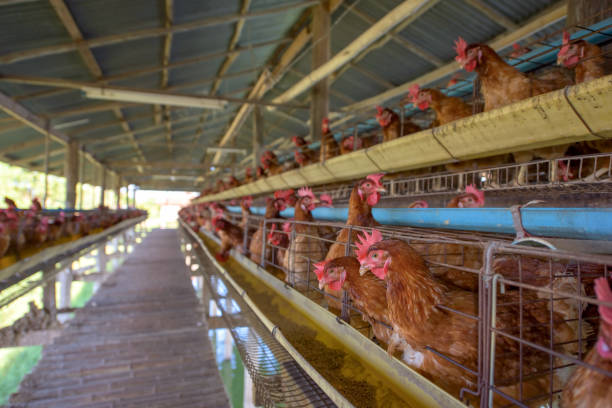
The first major decision is whether to use a cage system or a deep litter system. Both have their pros and cons.
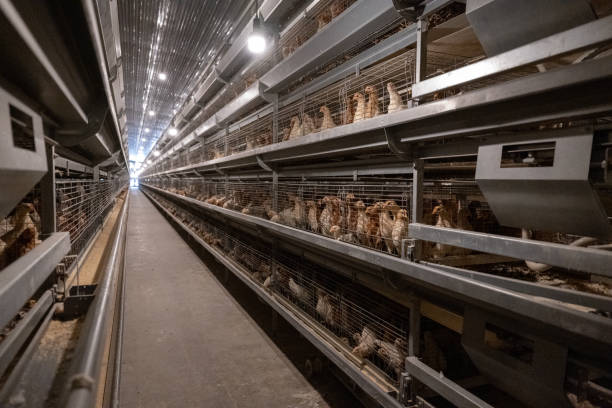
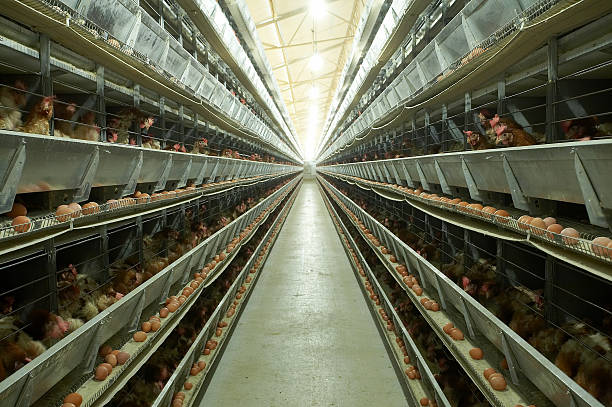
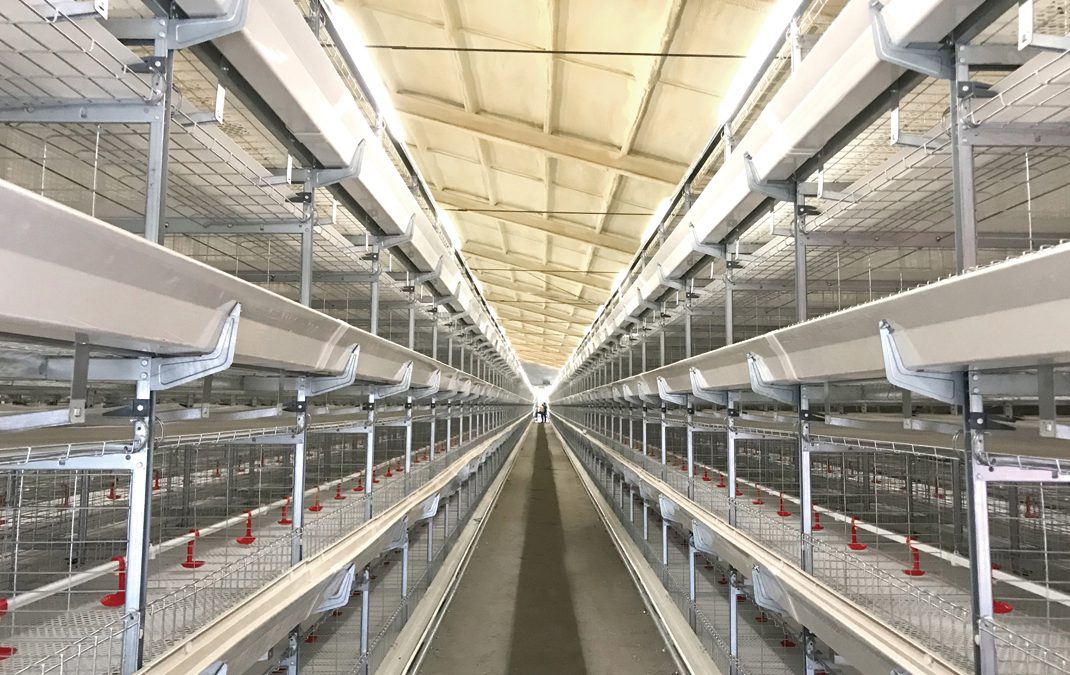
*Cage Systems:* Cage systems, particularly A-frame or H-frame battery cages, offer high-density housing, meaning you can fit more birds in the same space. This significantly increases the number of chickens you can manage in your 20,000-capacity poultry house. The manure falls through the wire mesh floors, making waste management easier and reducing the risk of disease outbreaks. Egg collection is also simplified with automated systems. However, initial investment costs are higher compared to deep litter systems. There are also animal welfare considerations, as some people argue that cage systems restrict natural behaviors. For a 20,000-chicken farm, automated cage systems are highly recommended for easier management.
*Deep Litter Systems:* Deep litter systems involve housing chickens on a floor covered with bedding material like wood shavings, rice husks, or straw. These systems are generally cheaper to set up initially. Chickens have more freedom to move around and exhibit natural behaviors. However, deep litter systems require more labor for cleaning and managing the litter. Waste management can be more challenging, and the risk of disease outbreaks, such as coccidiosis, is increased. For a large-scale operation like a 20,000-chicken farm, managing deep litter efficiently can be difficult without significant manpower and careful attention to hygiene.
**Designing Your Poultry House for 20,000 Chickens**
The design of your poultry house is crucial for creating a healthy and productive environment for your chickens.
*Size and Dimensions:* The size of your poultry house will depend on the housing system you choose. For cage systems, you’ll need to calculate the floor area based on the bird density recommended by the cage manufacturer. Typically, this ranges from 450-550 square centimeters per bird for laying hens. For deep litter systems, you’ll need to provide approximately 2.5-3 square feet per bird. Therefore, for 20,000 chickens in a deep litter system, you would require between 50,000 and 60,000 square feet of floor space. This usually translates into constructing several separate houses for easier management.
*Ventilation:* Proper ventilation is essential for removing excess heat, moisture, ammonia, and carbon dioxide from the poultry house. Natural ventilation can be sufficient in some climates, but in hotter regions of Ghana, mechanical ventilation, such as exhaust fans and tunnel ventilation systems, is necessary. Aim for a ventilation rate that maintains a comfortable temperature and humidity level for your chickens. The number and size of fans will depend on the size of your poultry house and the local climate. Consider installing automated ventilation control systems that adjust fan speeds based on temperature and humidity sensors.
*Lighting:* Lighting plays a critical role in egg production. Laying hens require a consistent photoperiod (duration of light exposure) to stimulate egg laying. A typical lighting program involves providing 14-16 hours of light per day. You can use incandescent bulbs, fluorescent lamps, or LED lights. LED lights are more energy-efficient and have a longer lifespan, which can save you money in the long run. Ensure that the light is evenly distributed throughout the poultry house. Dimmers can be used to gradually increase and decrease light intensity, mimicking natural daylight cycles.
*Insulation:* Insulation helps to maintain a stable temperature inside the poultry house, reducing the need for excessive heating or cooling. This is especially important in extreme climates. Insulating materials like polystyrene, fiberglass, or reflective foil can be used in the walls and roof of the poultry house. Good insulation can significantly reduce energy costs and improve chicken comfort.
*Flooring:* For deep litter systems, the floor should be made of concrete to prevent moisture from seeping up from the ground. The concrete should be smooth and easy to clean. For cage systems, the floor is typically wire mesh, allowing manure to fall through. Ensure the mesh is strong and corrosion-resistant.
*Watering System:* Provide a constant supply of fresh, clean water. Nipple drinkers are a popular choice as they are hygienic and reduce water wastage. Calculate the number of drinkers needed based on the number of chickens. A general rule of thumb is to provide one nipple drinker for every 10-12 chickens. Ensure the water pressure is adequate for the drinkers to function properly. Regularly check and clean the watering system to prevent blockages and bacterial contamination.
*Feeding System:* Choose a feeding system that provides your chickens with adequate feed while minimizing wastage. Automatic feeding systems are ideal for large-scale operations as they save labor and ensure that feed is distributed evenly. Chain feeders or trough feeders are commonly used. Calculate the length of the feeder needed based on the number of chickens. A general rule of thumb is to provide at least 10 centimeters of feeder space per bird. Regularly check and clean the feeding system to prevent feed spoilage and pest infestations.
**Essential Equipment for Your Poultry House**
Investing in the right equipment is crucial for efficient poultry management.
*Cages:* If you choose a cage system, select cages that are durable, well-ventilated, and easy to clean. Consider A-frame or H-frame cages, which are designed for high-density housing. Ensure the cages meet animal welfare standards and provide adequate space for the chickens to move around.
*Feeders:* Automatic feeders save labor. Choose feeders that distribute feed evenly and minimize wastage.
*Drinkers:* Nipple drinkers are a hygienic and efficient option. Ensure the drinkers are at the appropriate height for the chickens.
*Ventilation Fans:* Install exhaust fans and tunnel ventilation systems to regulate temperature and humidity. The size and number of fans will depend on the size of your poultry house and the local climate
*Lighting System:* Choose energy-efficient LED lights and install a timer to control the lighting schedule. Dimmers can be used to adjust light intensity.
*Heating System:* In colder regions, you may need a heating system to maintain a comfortable temperature. Brooders or space heaters can be used.
*Cooling System:* In hotter regions, consider installing evaporative cooling systems or fogging systems to reduce heat stress.
*Manure Removal System:* A manure removal system is essential for maintaining hygiene and reducing odor. Automatic manure removal systems, such as belt systems, can save labor.
*Egg Collection System:* For laying hens, consider an automatic egg collection system to save labor and reduce egg breakage.
**Managing Your Poultry House for Optimal Production**
Effective management practices are essential for maximizing productivity and profitability.
*Biosecurity:* Implement strict biosecurity measures to prevent disease outbreaks. Control access to the poultry house and require visitors to wear protective clothing and foot dips. Implement a rodent and pest control program. Regularly disinfect the poultry house and equipment. Source chicks from reputable hatcheries that are free from disease.
*Feeding Management:* Provide your chickens with a balanced diet that meets their nutritional needs. The diet should be formulated based on the age and stage of production of the chickens. Consult with a poultry nutritionist to develop a feeding program. Monitor feed consumption and adjust the diet as needed.
*Water Management:* Ensure that your chickens have access to fresh, clean water at all times. Regularly check and clean the watering system. Monitor water consumption and investigate any sudden changes.
*Health Management:* Implement a comprehensive health management program. Vaccinate your chickens against common diseases. Regularly monitor your chickens for signs of illness. Consult with a veterinarian if you suspect a disease outbreak. Maintain accurate records of vaccinations and treatments.
*Waste Management:* Dispose of manure properly to prevent environmental pollution and odor problems. Compost manure or use it as fertilizer. Follow local regulations for waste disposal.
*Record Keeping:* Maintain accurate records of all aspects of your poultry operation, including feed consumption, egg production, mortality rates, and expenses. Analyze these records to identify areas where you can improve efficiency.
*Temperature Control:* Chickens are sensitive to temperature fluctuations. Maintain a consistent temperature inside the poultry house. Provide shade during hot weather and warmth during cold weather. Install thermometers and humidity sensors to monitor the environment.
*Pest Control:* Control pests such as rodents, insects, and wild birds. These pests can spread disease and contaminate feed. Implement a pest control program that includes traps, baits, and repellents.
*Staff Training:* Train your staff on proper poultry management practices. Ensure they understand the importance of biosecurity, feeding management, and health management. Provide ongoing training and education to keep them up-to-date on the latest best practices.
**Optimizing for Egg Production**
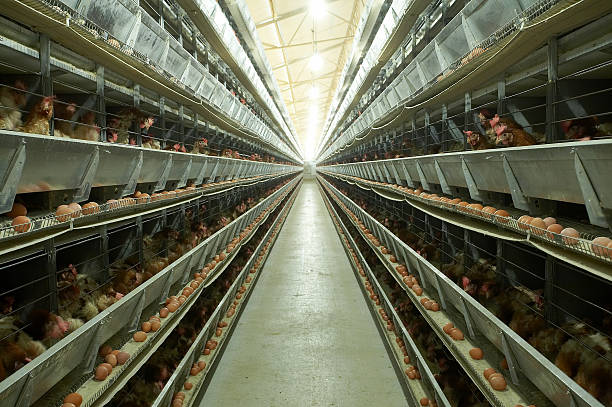
If you’re raising laying hens, optimizing for egg production is crucial.
*Breed Selection:* Choose breeds that are known for high egg production. Hy-Line Brown, Lohmann Brown, and Bovans Brown are popular choices.
*Lighting Program:* Maintain a consistent lighting program of 14-16 hours of light per day.
*Nutrition:* Provide a layer diet that is specifically formulated for egg production. Ensure the diet contains adequate calcium, phosphorus, and vitamin D.
*Egg Collection:* Collect eggs frequently to reduce breakage and contamination. Use an automatic egg collection system if possible.
*Egg Handling:* Handle eggs carefully to prevent damage. Store eggs in a cool, dry place.
**Specific Considerations for the Ghanaian Context**
*Climate:* Ghana has a tropical climate with high temperatures and humidity. Design your poultry house to provide adequate ventilation and cooling.
*Feed Availability:* Ensure that you have a reliable source of high-quality feed. Consider growing your own feed ingredients to reduce costs.
*Market Access:* Identify a market for your chickens and eggs before you start your operation. Develop relationships with buyers and distributors.
*Regulations:* Comply with all local regulations related to poultry farming. Obtain the necessary permits and licenses.
*Labor Costs:* Labor costs can be a significant expense in poultry farming. Consider automating some tasks to reduce labor requirements.
*Electricity Supply:* A reliable electricity supply is essential for operating ventilation fans, lighting systems, and other equipment. Consider using solar power to reduce your electricity bills.
Optimizing your poultry house for 20,000 chickens requires careful planning and attention to detail. By choosing the right housing system, designing your poultry house effectively, investing in essential equipment, and implementing sound management practices, you can create a thriving poultry operation that is both productive and profitable. Remember to adapt your strategies to the specific conditions of Ghana and continuously monitor your performance to identify areas for improvement. With dedication and hard work, you can achieve success in the growing poultry industry in Ghana.