Guide to Best Poultry Equipment Supplier
Guide to Best Poultry Equipment Supplier
Choosing the right poultry equipment supplier can make or break your farming operation. Whether you’re starting a small backyard flock or managing a large commercial farm, having reliable, durable, and well-designed equipment is essential for efficiency, animal welfare, and long-term profitability. But with so many suppliers flooding the market—each claiming to be the best—how do you separate genuine quality from marketing fluff? This guide will help you understand what to look for in a top-tier poultry equipment supplier, why it matters, and how making the right choice can transform your farming experience.
What Makes a Poultry Equipment Supplier Stand Out?
Not all suppliers are created equal. A truly great one doesn’t just sell cages or feeders; they offer comprehensive solutions tailored to your specific needs. First and foremost, look for a supplier with deep industry experience and a proven track record. Take Livi Machinery, for example—they’ve been in the business since 2012, focusing exclusively on poultry systems. That kind of longevity means they’ve weathered challenges, adapted to changing technology, and learned what really works on real farms.
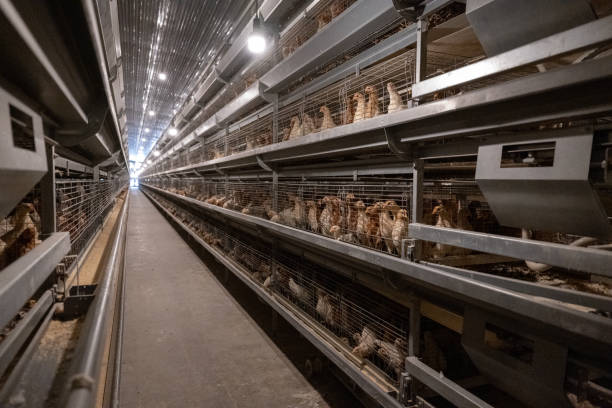
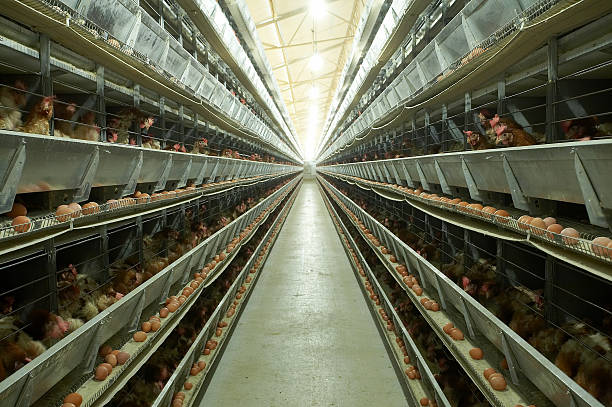
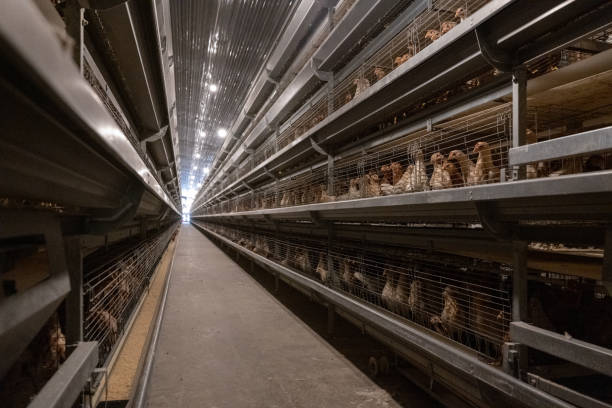
Another crucial factor is product range. The best suppliers offer end-to-end solutions—from brooding cages and layer houses to incubators and manure removal systems. Having one source for all your equipment simplifies logistics, ensures compatibility between components, and often leads to better pricing. For instance, if your chick rearing system isn’t designed to seamlessly transition into grow-out cages, you’ll face labor inefficiencies and stress for the birds. Suppliers who design integrated systems understand this and build accordingly.
Durability and material quality are non-negotiable. You want galvanized steel that resists rust, sturdy welds, and designs that withstand daily wear and tear—even under high-humidity conditions. But durability shouldn’t come at the cost of innovation. Today’s top suppliers blend toughness with smart features like automated feeding, egg collection belts, and climate control integration. Think about it: automation may require higher upfront investment, but over time, it saves labor, reduces errors, and improves bird health through consistent environmental management.
Why Location and Support Services Matter More Than You Think
Many farmers focus solely on price or product specs when choosing a supplier, but overlook the importance of support services and proximity. A supplier based far away might offer lower prices initially, but when something breaks down during peak season and spare parts take weeks to arrive, that “savings” vanishes quickly. This is where working with an established international manufacturer with local support networks becomes invaluable.
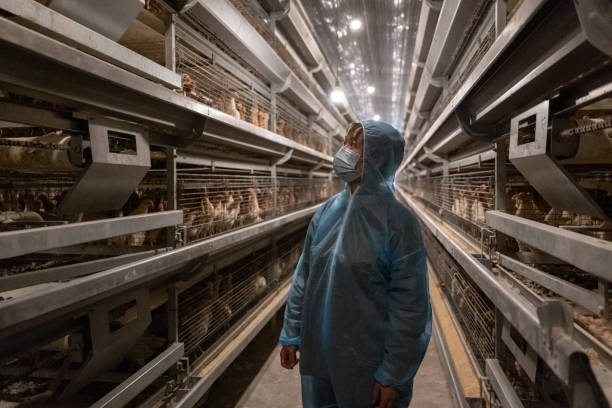
Take companies like Livi Machinery—they serve clients globally but work closely with regional partners to ensure fast response times. They don’t just ship containers overseas and disappear. Instead, they provide installation guidance, training, maintenance tips, and troubleshooting support post-delivery. Some even assist in farm layout planning before any equipment is ordered. That kind of involvement shows commitment to your success, not just a quick sale.
Another aspect to consider is customization capability. Each farm is unique—different climates, flock sizes, regulatory environments, and future growth plans. A cookie-cutter approach rarely works in agriculture. The best suppliers listen first, ask questions, and then tailor their solutions. For example, in hot regions, ventilation design becomes critical, so cages must allow optimal airflow. In colder areas, heating integration might be needed. A good supplier adapts their standard models to suit these variables instead of forcing you to adapt to them.
Don’t forget after-sales service. How easy is it to get replacement parts? Does the company offer warranties? Are technicians available for consultation? These may seem like minor details until you have a blocked water line at midnight and no access to technical help. Proactive support saves headaches—and money—in the long run.
How Smart Technology Is Changing Poultry Farming Forever
We’re living in an era of agricultural transformation. The old days of manual checks and guesswork are being replaced by data-driven decisions. The best poultry equipment suppliers now integrate smart technology into their systems, moving beyond physical structures to deliver digital value.
Imagine getting alerts on your phone when temperatures drop below safe levels or when feed bins are running low. Or using remote monitoring systems to check bird activity via cameras linked to AI software that flags signs of distress or illness early. These aren’t sci-fi dreams—they’re reality today, provided by forward-thinking suppliers investing in IoT (Internet of Things) and automation.
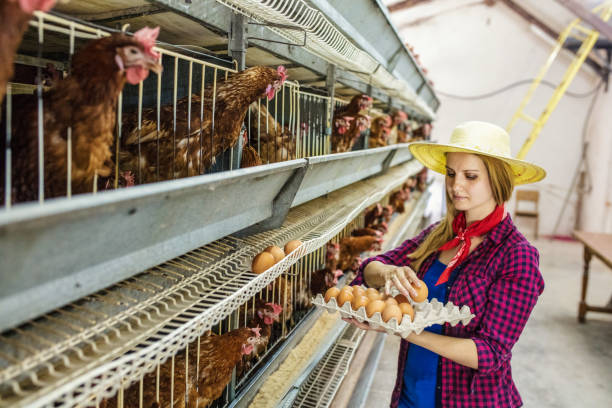
Automated feeding and watering systems reduce waste and prevent overcrowding around feeders, which helps minimize disease spread. Egg collection belts keep eggs clean and reduce breakage, improving both hygiene and profits. Manure belt systems maintain better air quality inside the house, directly impacting bird health and performance.
What’s more, these technologies generate useful data. Over time, you can analyze trends in feed conversion ratios, egg production peaks, mortality rates, and temperature patterns. With this information, you adjust practices proactively—not reactively. And the suppliers offering these systems usually include user-friendly dashboards and mobile apps, so you don’t need to be a tech expert to benefit.
The shift toward smart farming isn’t just about convenience—it’s about sustainability. Efficient resource use means less wasted feed, water, and energy. Healthier flocks mean fewer antibiotics. Better productivity means you can produce more with fewer inputs. All of this aligns with evolving consumer demands for ethically raised, environmentally responsible poultry products.
Choose Wisely – Your Future Farm Depends on It
Picking a poultry equipment supplier isn’t a decision to rush. It’s a partnership that affects every aspect of your operation for years to come. Don’t base your choice purely on price tags or flashy brochures. Look deeper. Investigate their history, talk to existing customers, request site visits or virtual tours of installed projects. Ask how they handle problems after delivery. Demand clarity on lead times, payment terms, and shipping logistics.
At the end of the day, the best supplier is one who sees you not as a transaction, but as a long-term partner in sustainable farming. They care about your outcomes because your success reflects theirs.
If you’re ready to explore modern, reliable, and intelligent poultry solutions built for real-world performance, we’d love to hear from you. Share your farm goals, location, and capacity needs, and we’ll connect you with experts who can guide your next steps. Drop us a message with your contact info—let’s build a smarter, more productive farm together.
Frequently Asked Questions
What should I look for in a reliable poultry equipment supplier?
Look for experience, product quality, range of offerings, customer support, and whether they offer full project assistance—including layout design, installation advice, and after-sales service.
Are automated systems worth the investment for small farms?
Yes, especially as labor costs rise and scalability becomes important. Even smaller farms benefit from reduced workload, improved consistency, and better health monitoring—many systems are modular and scalable.
How do I know if chicken cages are durable enough?
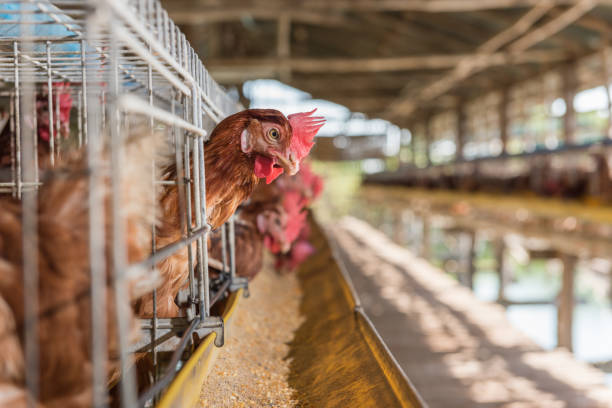
High-quality cages use hot-dipped galvanized steel, have reinforced joints, and resist corrosion. Check reviews or ask for test reports on material thickness and coating standards.
Can a supplier help me plan my poultry house layout?
Top suppliers absolutely do. Proper spacing, ventilation zones, feeder/waterer placement, and workflow matter a lot. Many experienced manufacturers offer free preliminary design consultations.
What’s included in after-sales service?
This varies, but ideally includes spare parts availability, technical guidance, troubleshooting help, maintenance training, and access to updates or software for smart systems.
Do suppliers ship internationally?
Yes, many reputable manufacturers like Livi Machinery export worldwide and work with local agents to handle customs, shipping, and language barriers smoothly.
How long does it take to receive equipment after ordering?
Typically 30–60 days depending on order size, customization level, and destination. Always confirm timelines upfront and account for possible delays due to port congestion or holidays.
Can I visit a working farm with your equipment installed?
Most serious suppliers welcome such requests or can provide video case studies. Real-world examples give you confidence in actual performance, not just lab specs.
Is financing available through equipment suppliers?
Some have partnerships with financial institutions or leasing programs. While not always direct, they may help facilitate payment plans or documentation for third-party loans.
What makes smart poultry systems different from traditional ones?
Smart systems use sensors, automation, and connectivity to monitor environment, feed, water, and bird behavior. They send alerts, reduce manual work, improve yields, and support preventive health management.