High-Quality Chicken Cages for Sale in Nigeria: Boost Your Poultry Farm
High-Quality Chicken Cages for Sale in Nigeria: Boost Your Poultry Farm
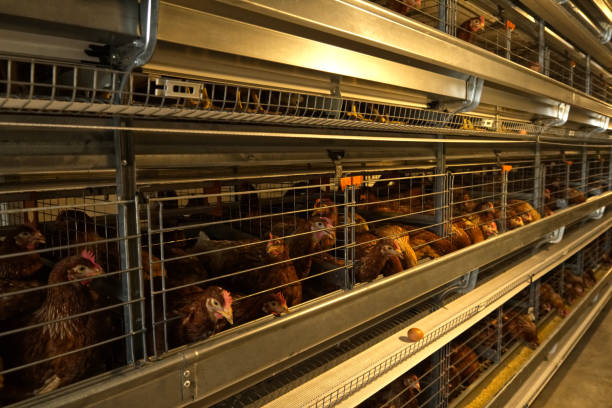
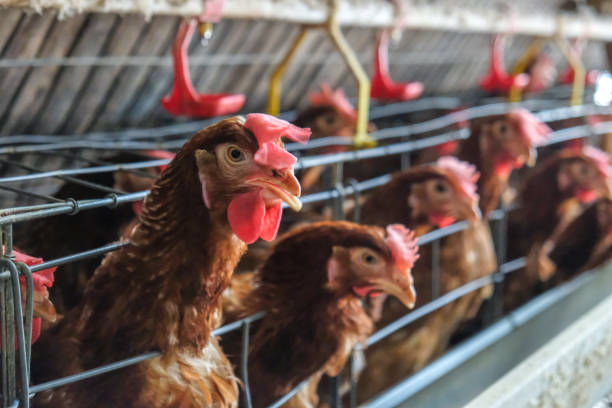
Nigeria’s poultry industry is booming. To stay competitive and maximize profits, adopting efficient farming practices is crucial. One of the most effective ways to improve poultry farming is by using high-quality chicken cages. These cages not only optimize space but also enhance the health and productivity of your flock. This article delves into why investing in superior chicken cages is a smart move for Nigerian poultry farmers, highlighting the benefits, types of cages available, factors to consider when buying, and how to maintain them for long-term use.
**Why Invest in High-Quality Chicken Cages?**
Chicken cages offer a multitude of benefits for poultry farmers in Nigeria:
* **Improved Space Utilization:** Cages allow you to house more chickens in a smaller area compared to traditional free-range farming. This is especially vital in densely populated areas where land is expensive.
* **Enhanced Disease Control:** Raising chickens in cages reduces their contact with droppings and soil, minimizing the risk of disease outbreaks, subsequently minimizing your losses.
* **Better Egg Production:** Caged hens tend to lay more eggs. The controlled environment reduces stress and competition, leading to higher and more consistent egg production.
* **Reduced Feed Wastage:** Cages typically come with feeding troughs that prevent chickens from scattering feed, reducing wastage and saving you money in the long run.
* **Easier Management:** Cages make it easier to monitor and manage your flock. You can quickly identify sick or underperforming birds and take appropriate action.
* **Cleaner Eggs:** Eggs laid in cages are generally cleaner since they don’t come into contact with dirt or manure. This reduces the need for washing and improves their marketability.
* **Predator Protection:** Cages offer protection from predators such as snakes, rodents, and wild birds, which can prey on your chickens or steal eggs.
**Types of Chicken Cages Available in Nigeria**
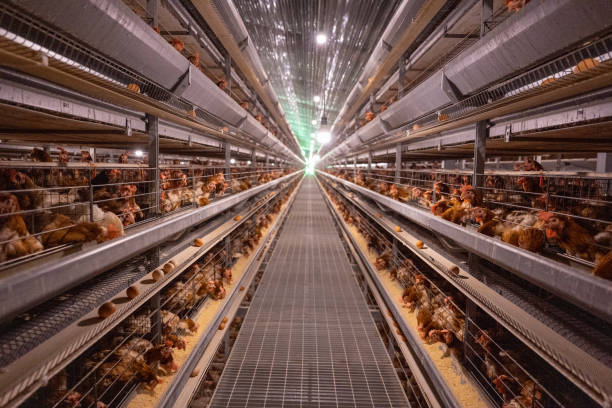
The Nigerian market offers a variety of chicken cages to suit different farming needs and budgets. Here are some of the most common types:
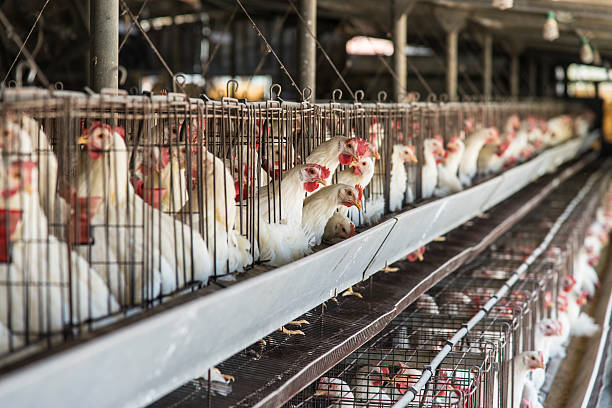
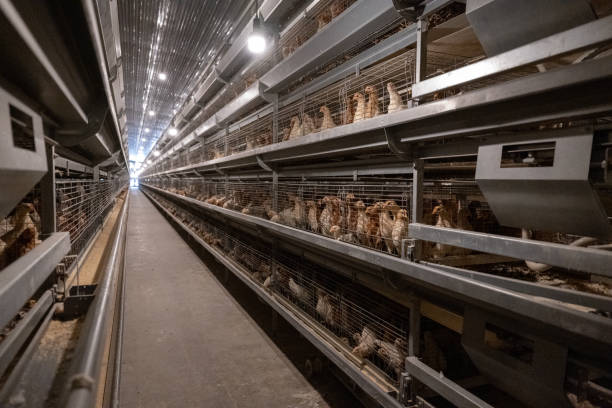
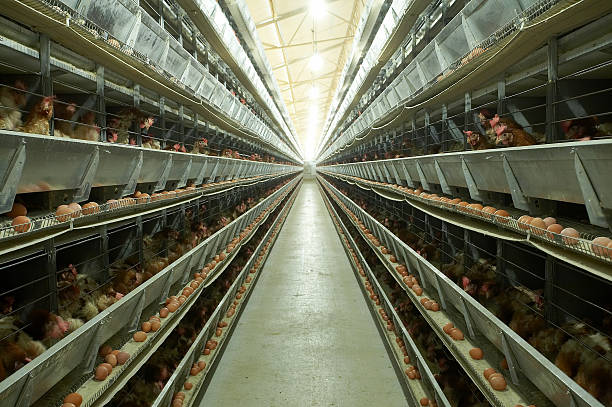
* **Layer Cages:** Designed specifically for egg-laying hens. These are typically multi-tiered, maximizing space. They often include features like automatic drinking and feeding systems, as well as egg collection mechanisms. Layer cages are ideal for commercial egg production.
* **A-Type Layer Cages:** These cages are shaped like the letter “A” and are relatively inexpensive. They are easy to install and maintain, making them popular among small-scale farmers in Nigeria.
* **H-Type Layer Cages:** These are more sophisticated and efficient, resembling high-rise structures. They offer superior space utilization, automated feeding, drinking, egg collection and manure removal systems. H-type cages are a better investment for large-scale poultry farms.
* **Broiler Cages:** Designed for raising chickens for meat production. Broiler cages are typically larger than layer cages to accommodate the faster growth of broiler chickens. They are designed to provide adequate space for the birds to move around and access feed and water easily.
* **Chick Cages/Nursery Cages:** Used for housing young chicks. These cages provide a safe and warm environment for chicks to grow, protecting them from predators and diseases. Chick cages are usually smaller and have tighter mesh to prevent chicks from escaping.
* **Breeder Cages:** Used for housing breeding chickens (both hens and roosters). These cages provide enough space for mating and are designed to optimize fertility and hatchability. Breeder cages often have special features like nest boxes for hens to lay eggs.
**Factors to Consider When Buying Chicken Cages in Nigeria**
Choosing the right chicken cages is a crucial step for ensuring the success of your poultry farm. Here are some key factors to consider:
* **Material Quality:** Opt for cages made from high-quality, durable materials such as galvanized steel or stainless steel. These materials are resistant to rust and corrosion. They can withstand the harsh weather conditions in Nigeria. Avoid cages made from flimsy materials that are prone to damage.
* **Cage Size:** The size of the cages should be appropriate for the type and number of chickens you intend to raise. Overcrowding can lead to stress, disease, and reduced productivity. Ensure that each bird has enough space to move around comfortably.
* **Ventilation:** Proper ventilation is vital for maintaining a healthy environment inside the cages. Adequate airflow helps to remove ammonia and other harmful gases, reducing the risk of respiratory diseases. Look for cages with good ventilation designs, such as well-spaced wires or mesh.
* **Ease of Cleaning:** Choose cages that are easy to clean and disinfect. Regular cleaning is essential for preventing the spread of diseases. Cages with removable droppings trays or automatic manure removal systems can greatly simplify the cleaning process.
* **Feeding and Watering Systems:** Consider cages with automatic feeding and watering systems. These systems can save you time and labor, while also ensuring that your chickens have constant access to food and water. Look for systems that are easy to maintain and adjust.
* **Egg Collection System (for Layer Cages):** If you are raising chickens for egg production, consider cages with automated egg collection systems. In this way, you can minimize egg breakage, increase efficiency, and reduce labor costs.
* **Price:** Set a budget for your chicken cages and compare prices from different suppliers. While it’s tempting to go for the cheapest option, remember that quality is vital. Investing in high-quality cages may cost more upfront, but it will save you money in the long run by reducing the need for repairs and replacements, and increasing productivity.
* **Supplier Reputation:** Buy your chicken cages from a reputable supplier with a proven track record of providing quality products and services. Check online reviews and ask for recommendations from other poultry farmers in Nigeria. A reliable supplier will offer warranties and after-sales support.
* **Installation and Maintenance:** Enquire about the installation process and maintenance requirements of the cages. Some suppliers may offer installation services. Ensure that you have the necessary tools and knowledge to maintain the cages properly.
* **Compliance with Regulations:** Make sure that the cages you choose comply with local regulations and standards for poultry farming. This may include requirements for cage size, ventilation, and waste management.
**Maintaining Your Chicken Cages for Longevity**
Proper maintenance is essential for extending the lifespan of your chicken cages and ensuring the health and productivity of your flock. Here are some tips for maintaining your cages:
* **Regular Cleaning:** Clean the cages regularly to remove droppings, feathers, and other debris. This will help to prevent the buildup of harmful bacteria and reduce the risk of disease. Use a pressure washer or brush to scrub the cages thoroughly.
* **Disinfection:** Disinfect the cages regularly to kill any remaining bacteria and viruses. Use a poultry-specific disinfectant and follow the manufacturer’s instructions carefully. Pay special attention to areas where droppings tend to accumulate.
* **Rust Prevention:** Rust can weaken and damage your chicken cages. To prevent rust, apply a rust-resistant coating to the cages regularly. You can also use galvanized or stainless-steel cages, which are naturally resistant to rust.
* **Repairing Damage:** Inspect the cages regularly for any signs of damage, such as broken wires or loose connections. Repair any damage promptly to prevent injuries to your chickens and to maintain the structural integrity of the cages.
* **Pest Control:** Control pests such as rodents and insects, which can damage the cages and spread diseases. Use appropriate pest control measures, such as traps or insecticides.
* **Proper Ventilation:** Ensure that the cages have proper ventilation to prevent the buildup of ammonia and other harmful gases. Clear any obstructions that may be blocking airflow.
* **Lubrication:** Lubricate moving parts, such as hinges and latches, regularly to prevent them from seizing up. Use a lubricant that is safe for use around poultry.
* **Proper Storage:** If you are not using the cages, store them in a dry and well-ventilated area. This will help to prevent rust and corrosion.
* **Follow Manufacturer’s Instructions:** Always follow the manufacturer’s instructions for the maintenance of your chicken cages. This will help to ensure that you are using the cages properly and that you are not voiding any warranties.
**Where to Buy High-Quality Chicken Cages in Nigeria**
Finding a reliable supplier is crucial to sourcing top-notch chicken cages in Nigeria.
* **Online Marketplaces:** Websites like Jumia and Konga occasionally list poultry equipment
* **Poultry Equipment Suppliers:** Several local and international companies, and Livi Machinery specialize in poultry equipment. Conduct thorough research and check reviews before making a purchase.
* **Agricultural Trade Shows:** Attending agricultural trade shows and exhibitions in Nigeria can provide opportunities to meet suppliers and view different types of chicken cages.
* **Referrals:** Ask for recommendations from other poultry farmers or agricultural experts in Nigeria.
**Conclusion**
Investing in high-quality chicken cages is a smart decision for poultry farmers in Nigeria who want to improve the efficiency, productivity, and profitability of their farms. By considering the material quality, cage size, ventilation, ease of cleaning, and other factors mentioned above, you can choose the right cages for your needs. Remember to maintain your cages properly to extend their lifespan and ensure the health and well-being of your flock. With the right chicken cages, you can boost your poultry farm and achieve success in the growing Nigerian poultry industry.