How to Build a Large-Scale Poultry House Efficiently
How to Build a Large-Scale Poultry House Efficiently
Building a large-scale poultry house might seem like a daunting task, especially if you’re new to commercial chicken farming. But with the right planning, equipment, and approach, it can be a smooth and profitable venture. At Zhengzhou Livi Machinery Manufacturing Co., Ltd., we’ve supported hundreds of farmers worldwide in setting up high-efficiency poultry farms — from initial design to full operation. In this guide, we’ll walk you through the key steps to build a modern, cost-effective, and efficient large-scale poultry house that maximizes productivity and minimizes long-term costs.
Choosing the Right Location and Layout for Your Poultry Farm
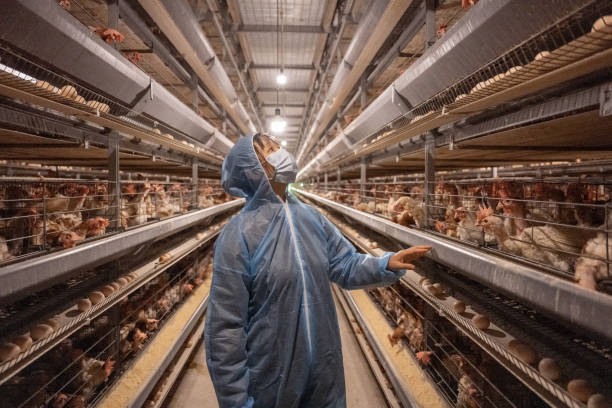
The first step in building an efficient large-scale poultry house is selecting a suitable location. This isn’t just about available land — it’s about accessibility, environmental conditions, and future scalability. Ideally, your farm should be located at least 1 km away from residential areas to minimize odor complaints and disease transmission risks. It’s also smart to choose flat or slightly sloped ground to ensure proper drainage and reduce construction complexity.
When it comes to layout, plan your facility to support smooth workflow and easy management. A typical large-scale setup includes separate zones: bird housing, feed storage, egg collection, waste management, and office/veterinary space. Organizing these areas logically reduces labor time and improves biosecurity. For example, placing the feed room close to the chicken houses cuts down on transport effort, while positioning manure storage downwind prevents air contamination.
Orientation matters too. In most climates, aligning the poultry house from east to west helps maintain stable internal temperatures by reducing direct sunlight during peak hours. Proper ventilation is critical, so include both natural and mechanical systems in your plan — more on that later.
Invest in Smart Equipment to Maximize Efficiency
One of the biggest mistakes new poultry farmers make is trying to save money by using outdated or low-quality equipment. But in a large-scale operation, inefficiencies add up quickly. Investing in automated, durable systems pays off within months.
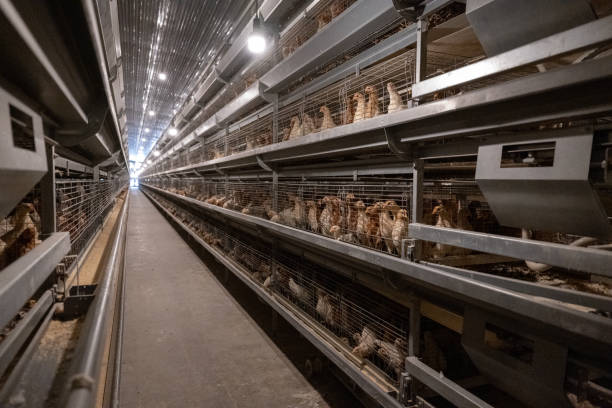
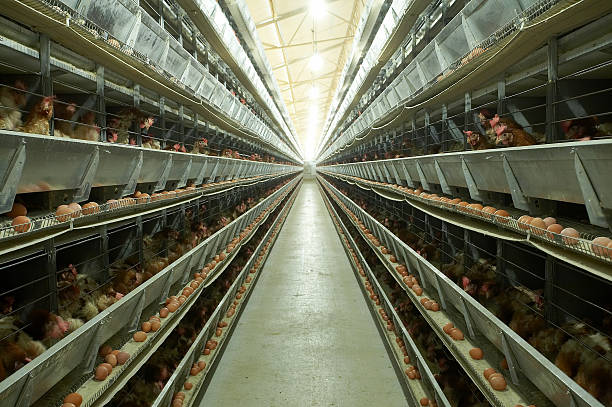
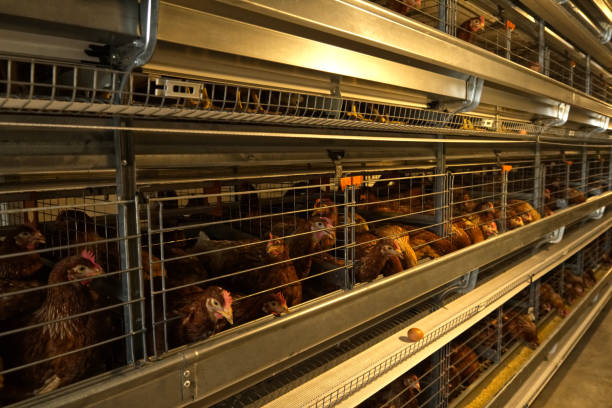
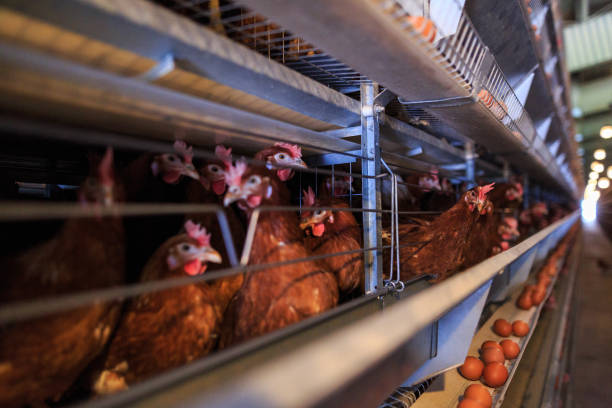
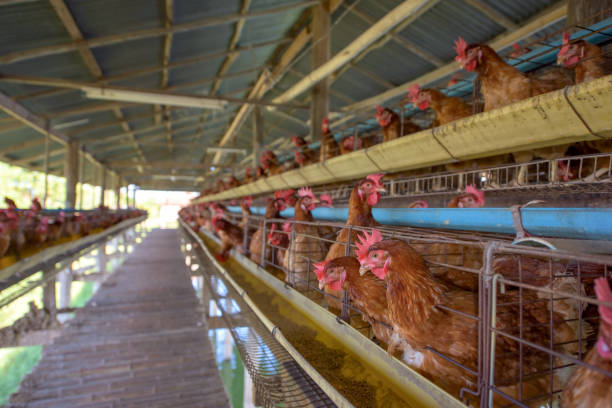
Start with the right poultry cages. Whether you’re raising laying hens, broilers, or pullets, there’s a cage system designed for your needs. For layer farms, multi-tier battery cages can increase bird density without sacrificing welfare — especially when combined with automatic feeding, drinking, manure removal, and egg collection systems. These features drastically reduce manual labor and help maintain hygiene.
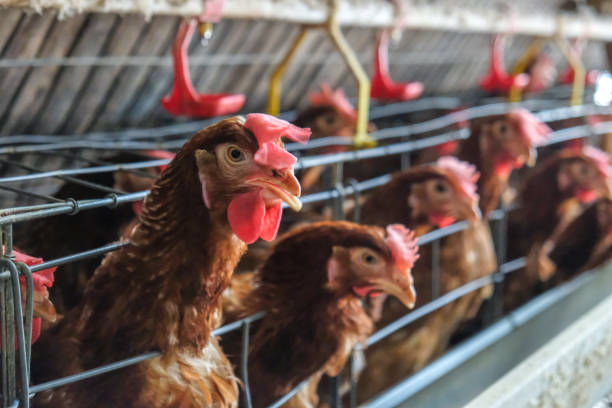
Our Livi-manufactured chicken cages are made from galvanized steel, ensuring resistance to corrosion and years of maintenance-free service. With integrated nipple drinkers and trough feeders, each system is engineered to deliver consistent nutrition and water — vital for healthy growth and high egg production.
Don’t overlook climate control. Large poultry houses need powerful yet energy-efficient ventilation systems, including exhaust fans, cooling pads, and tunnel ventilation setups. Automatic controllers let you adjust temperature, humidity, and airflow based on real-time conditions, keeping birds comfortable year-round. In colder regions, consider adding heating systems or infrared lamps for chicks during winter.
If you’re breeding chickens, include modern incubators in your plan. Our fully automatic hatchers can handle thousands of eggs at once, with precise temperature and humidity control, automatic turning, and sanitation cycles that boost hatch rates above 90%. Pair them with chick sexing and grading equipment for seamless transition into grow-out stages.
Design for Health, Biosecurity, and Long-Term Sustainability
A successful poultry farm doesn’t just produce lots of eggs or meat — it keeps birds healthy and prevents disease outbreaks. That starts with strong biosecurity protocols built directly into your farm design.
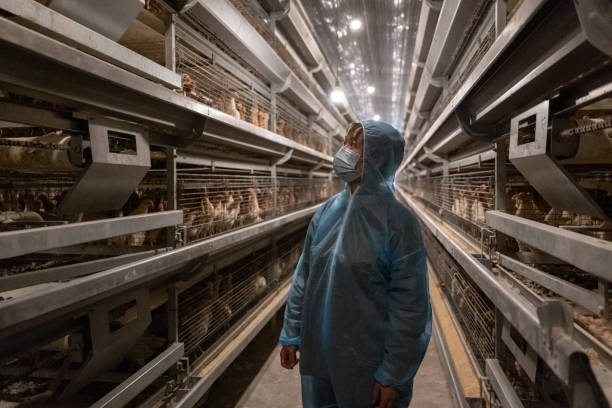
Install footbaths and hand-sanitizing stations at all entry points. Limit vehicle access and set up a dedicated quarantine zone for incoming birds. Use solid sidewalls or anti-bird nets to keep wild birds out, and seal gaps where rodents could enter. Even small details — like elevating cages off the floor — can reduce contact with bacteria and make cleaning easier.
Waste management is another crucial aspect. Accumulated manure not only creates odor but also breeds pathogens and flies. An effective solution? Automated belt manure removers under each cage layer. These collect droppings daily, preserving nitrogen content for fertilizer use while keeping the house dry and clean. You can even link multiple houses to a central composting unit or biogas system for eco-friendly energy recycling.
Also think about sustainability. Solar panels on the roof can power lights and fans, cutting electricity bills. Rainwater harvesting tanks provide backup water supply during droughts. These green upgrades may require upfront investment, but they improve resilience and appeal to environmentally conscious buyers.
Work with Experts from Start to Finish
You don’t have to go it alone. Many first-time builders underestimate the complexity of permits, engineering standards, and equipment installation. That’s why at Livi Machinery, we offer turnkey solutions — from site evaluation and 3D layout design to training and after-sales support.
Our team will help you determine the optimal size and capacity based on your market demand and budget. We provide detailed blueprints showing electrical wiring, water lines, and equipment placement. Once construction begins, our engineers can supervise installation to ensure everything runs smoothly — no misaligned fans or mismatched pipe fittings.
After delivery, we train your staff on operating the automation systems, routine maintenance, and emergency troubleshooting. Regular check-ins and remote monitoring options mean you’ll never be left struggling with technical issues.
We’ve helped clients launch farms in Africa, Southeast Asia, South America, and Eastern Europe — adapting designs to local weather, regulations, and feed availability. No matter where you are, we tailor our solutions to fit your reality.
Now it’s your turn. If you’re ready to build a modern, high-output poultry house that runs smoothly and scales with your business, get in touch today. Share your project details — land size, target output, location — and we’ll send you a free customized proposal, including layout drawings and equipment list. The faster you start planning, the sooner you’ll see returns. Contact us now and let’s turn your poultry dream into a thriving reality.
Frequently Asked Questions
What size should a large-scale poultry house be?
Most commercial operations range from 100 to 200 meters long and 12 to 16 meters wide, housing between 10,000 and 50,000 birds per house. Size depends on your budget, labor availability, and market goals.
Can I automate feeding and egg collection in a big poultry house?
Absolutely. Modern layer farms use automatic feeding lines and egg belts that run the entire length of the house. They save hours of labor daily and reduce breakage and contamination.
How do I control temperature in a large poultry house?
Use tunnel ventilation with exhaust fans on one end and cooling pads on the other. Add ceiling fans and thermostats for even airflow. In cold areas, include gas heaters or radiant brooders.
Are battery cages still allowed in large farms?
Yes, in most countries, tiered battery cages are legal and widely used — especially enriched cages that meet animal welfare standards. We design our cages to comply with international regulations.
How much does it cost to build a large poultry house?
Costs vary by region and specifications, but expect $30,000–$80,000 per house, including structure, equipment, and installation. Automation increases initial cost but lowers ongoing labor and feed waste.
What kind of foundation do I need?
A concrete slab with proper drainage works best. It supports heavy cages, prevents rodent burrowing, and makes cleaning easier. Include slight slope (1–2%) toward gutters.
How often should I clean the poultry house?
After each flock cycle — usually every 4–6 weeks for broilers, longer for layers. Full cleanout includes removing manure, washing walls and equipment, disinfecting, and resting the house before restocking.
Do I need government approval to build a poultry farm?
In most areas, yes. You’ll likely need environmental permits, zoning approval, and health department clearance. We can assist with documentation and compliance advice.
Can I expand my poultry house later?
Yes, modular design allows for extension. Leave space for additional houses or install scalable systems like centralized feed silos that serve multiple units.
How do I prevent diseases in a large flock?
Combine good ventilation, regular cleaning, vaccination programs, restricted access, and quality feed. Early detection systems and vet partnerships also reduce outbreak risks.