Investing in Automation: Finding the Right Automatic Poultry Cage Price in Africa
Investing in Automation: Finding the Right Automatic Poultry Cage Price in Africa
The African poultry industry is booming, presenting significant opportunities for both established and emerging farmers. As the demand for poultry products continues to rise, the need for efficient and scalable farming methods becomes increasingly crucial. Investing in automatic poultry cages can be a game-changer, increasing productivity, reducing labor costs, and improving bird welfare. However, navigating the market to find the right automatic poultry cage price in Africa can be tricky. This comprehensive guide will walk you through the factors influencing the cost of automatic poultry cages and provide strategies to make informed investment decisions.
The Rise of Automatic Poultry Cages in Africa
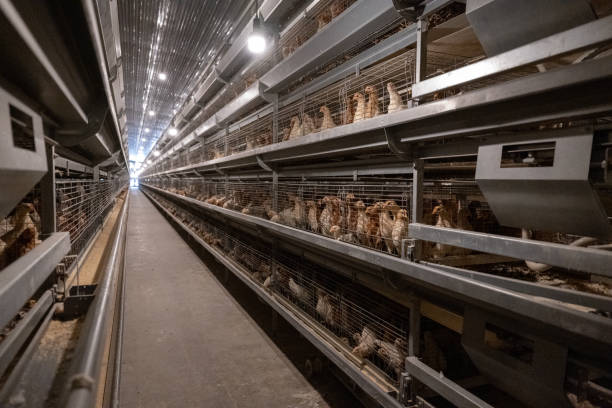
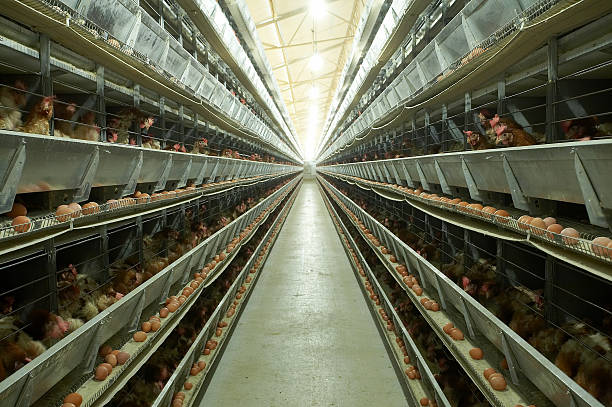
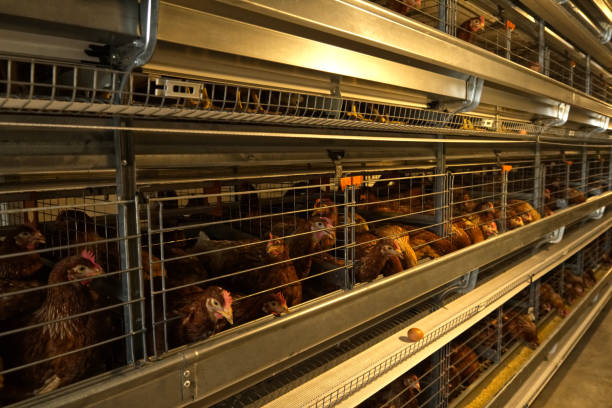
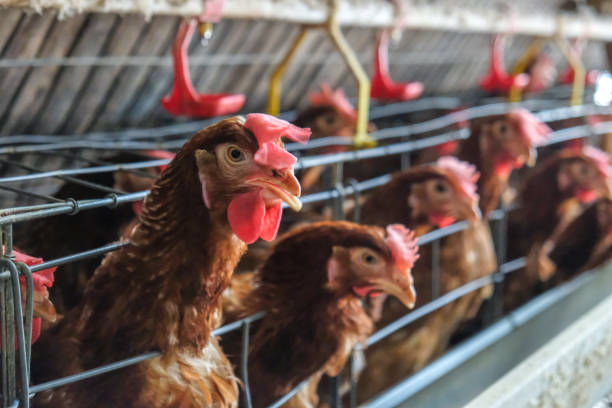
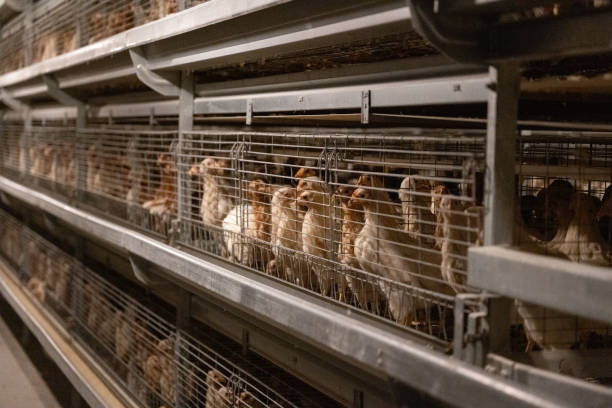
Traditional poultry farming methods in Africa often involve extensive manual labor, lower stocking densities, and higher risks of disease. Automatic poultry cages offer a modern solution to these challenges. These advanced systems automate key processes such as feeding, watering, egg collection, and waste removal, leading to:
Increased Productivity: Higher stocking densities and optimized feeding schedules result in more eggs or meat per unit area.
Reduced Labor Costs: Automation minimizes the need for manual labor, freeing up resources and reducing operational expenses.
Improved Bird Welfare: Controlled environments, consistent access to food and water, and efficient waste removal contribute to healthier and happier birds.
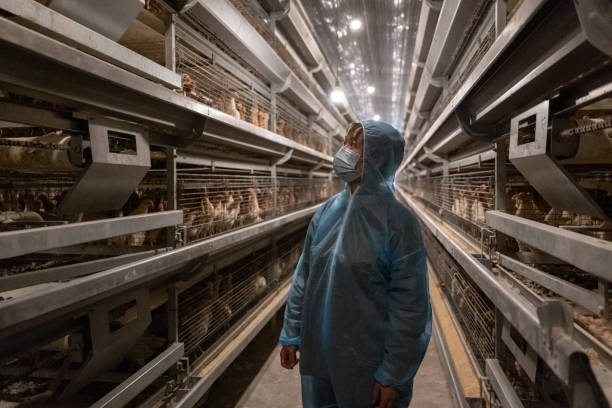
Enhanced Disease Control: Reduced contact between birds and humans, coupled with efficient waste management, helps minimize the spread of diseases.
Factors Influencing Automatic Poultry Cage Price in Africa
Several factors affect the price of automatic poultry cages in the African market. Understanding these factors is crucial for making an informed investment.
Cage Type: Different types of automatic poultry cages cater to various farming needs.
Layer Cages: Designed for egg-laying hens, these cages typically feature automated feeding, watering, and egg collection systems.
Broiler Cages: Used for raising meat chickens (broilers), these cages are designed for rapid growth and efficient feeding.
Chick Cages: Specifically designed for raising chicks, these cages provide a safe and controlled environment for young birds.
Cage Capacity: The number of birds a cage system can accommodate directly impacts its price. Larger capacity systems generally cost more upfront but offer economies of scale in the long run.
Material Quality: The materials used in the construction of poultry cages significantly affect their durability and longevity.
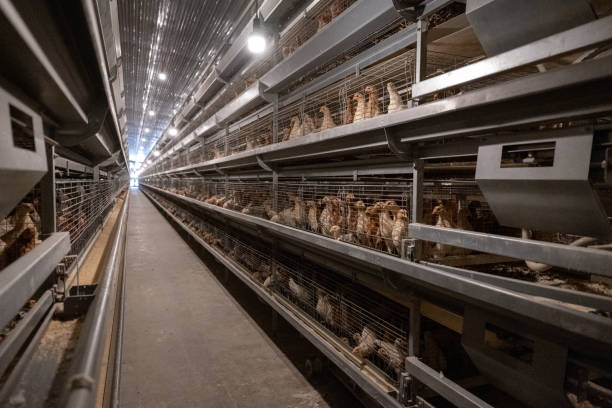
Galvanized Steel: Offers excellent corrosion resistance, ensuring a long lifespan, especially in humid African climates.
Stainless Steel: Provides superior hygiene and durability but comes at a higher cost.
Plastic: Lightweight and easy to clean, but may not be as durable as steel options.
Automation Level: The extent of automation in a poultry cage system influences its price. More advanced systems with fully automated feeding, watering, egg collection, and waste removal will generally cost more.
Manufacturer Reputation: Established manufacturers with a proven track record of quality and reliability tend to charge more for their products. However, investing in a reputable brand can provide peace of mind and ensure long-term performance.
Origin of Manufacture: Poultry cages manufactured in countries with lower labor costs, such as China, may be more affordable than those produced in Europe or North America. However, it is crucial to consider the quality and reliability of the products, regardless of their origin.
Transportation and Installation Costs: Shipping costs from the manufacturer to your location in Africa can add significantly to the overall price. Additionally, installation costs, including labor and any necessary infrastructure modifications, should be factored into your budget.
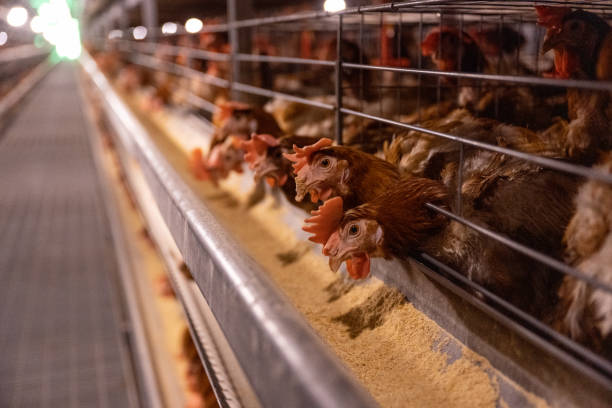
Customization: Customizing your poultry cage system to meet your specific needs can increase the price. This might involve adjusting the cage size, adding extra features, or integrating the system with existing farm infrastructure.
After-Sales Service and Support: The availability of after-sales service, including maintenance, spare parts, and technical support, can influence the price of poultry cages. Manufacturers that offer comprehensive support packages may charge more upfront but can save you money in the long run by minimizing downtime and extending the lifespan of your equipment.
Estimating the Cost of Automatic Poultry Cages in Africa
Given the wide range of factors influencing the price of automatic poultry cages, providing a specific cost estimate is challenging. However, here’s a general idea of what you can expect:
Small-Scale Systems (100-500 Birds): $1,000 – $5,000. These systems are suitable for small-scale farmers or those just starting out.
Medium-Scale Systems (500-5,000 Birds): $5,000 – $50,000. These systems are ideal for medium-sized farms looking to increase their production capacity.
Large-Scale Systems (5,000+ Birds): $50,000+. These systems are designed for large-scale commercial operations with high production volumes.
Tips for Finding the Right Automatic Poultry Cage Price in Africa
Define Your Needs: Before you start shopping for automatic poultry cages, clearly define your specific needs and objectives. Consider the size of your operation, the type of birds you raise, your desired production volume, and your budget.
Research Different Suppliers: Reach out to multiple suppliers and request quotes for the poultry cage systems that meet your needs. Compare the prices, features, and warranties offered by different suppliers.
Request Detailed Specifications: Ask suppliers for detailed specifications of their poultry cage systems, including the materials used, the dimensions of the cages, the capacity of the system, and the level of automation.
Visit Existing Farms: If possible, visit farms that are already using automatic poultry cages. This will give you a chance to see the systems in action and talk to other farmers about their experiences.
Consider Long-Term Costs: Don’t just focus on the initial purchase price of the poultry cages. Consider the long-term costs of operation, including electricity, water, maintenance, and repairs. Choose a system that is energy-efficient and easy to maintain.
Negotiate with Suppliers: Don’t be afraid to negotiate with suppliers to get the best possible price. Ask about discounts for bulk purchases or financing options.
Check References: Ask suppliers for references from other farmers who have purchased their poultry cage systems. Contact the references and ask about their experiences with the supplier.
Read Reviews and Testimonials: Look for online reviews and testimonials from other farmers who have used the supplier’s products. This can provide valuable insights into the quality and reliability of the products.
Inspect the Products: Before you finalize your purchase, inspect the poultry cage systems thoroughly to ensure that they meet your expectations. Check for any defects or damage.
Get Everything in Writing: Make sure to get everything in writing, including the price, the specifications of the poultry cage systems, the warranty, and the terms of payment.
Finding Reliable Suppliers in Africa
Identifying reputable suppliers of automatic poultry cages is crucial for ensuring a worthwhile investment. Here are some tips for finding reliable suppliers in Africa:
Attend Agricultural Trade Shows: Agricultural trade shows and exhibitions are excellent platforms for meeting potential suppliers and seeing their products firsthand.
Join Poultry Farming Associations: Poultry farming associations often have directories of suppliers and can provide recommendations based on the experiences of other members.
Search Online Directories: Online directories of agricultural suppliers can help you find companies that specialize in poultry farming equipment.
Ask for Referrals: Request referrals from other poultry farmers or agricultural experts in your region.
The Long-Term Benefits of Investing in Automation
While the initial investment in automatic poultry cages might seem substantial, the long-term benefits far outweigh the costs. By increasing productivity, reducing labor costs, improving bird welfare, and enhancing disease control, automatic poultry cages can significantly boost your profitability and ensure the sustainability of your poultry farming business.
Financing Options for Poultry Farmers in Africa
Many financing options are available to help poultry farmers in Africa invest in automatic poultry cages. These options include:
Government Loans: Many African governments offer subsidized loans to support agricultural development.
Commercial Bank Loans: Commercial banks provide loans to poultry farmers based on their creditworthiness and business plans.
Microfinance Institutions: Microfinance institutions offer smaller loans to small-scale farmers and entrepreneurs.
Agricultural Cooperatives: Agricultural cooperatives can provide financing to their members for the purchase of poultry farming equipment.
International Development Agencies: International development agencies offer grants and loans to support agricultural projects in Africa.
Conclusion
Investing in automatic poultry cages is a strategic move for poultry farmers in Africa looking to enhance their productivity, reduce operational costs, and improve bird welfare. By carefully considering the factors influencing the price of automatic poultry cages and following the tips outlined in this guide, you can make an informed investment decision that will benefit your business for years to come. Remember to prioritize quality, reliability, and after-sales support when choosing a supplier, and explore the available financing options to make your investment more affordable. With the right automatic poultry cage system, you can unlock your farm’s full potential and capitalize on the growing demand for poultry products in Africa. By taking the time to do your research, compare your options, and negotiate with suppliers, you can find the right automatic poultry cage price in Africa and set your poultry farm up for success.