Layer Cage Solutions for Maximizing Egg Production in Large-Scale Farms
Layer Cage Solutions for Maximizing Egg Production in Large-Scale Farms
In the dynamic world of poultry farming, particularly for large-scale operations, the key to success hinges on efficiency, productivity, and sustainability. Layer cages have emerged as a pivotal solution for maximizing egg production, streamlining management, and ensuring the well-being of the hens. This article delves into the various aspects of layer cage systems, exploring their benefits, different types, essential features, and considerations for implementation in large-scale farms.
Understanding Layer Cage Systems
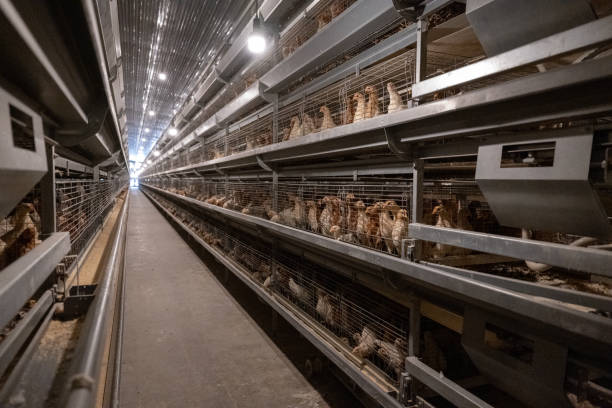
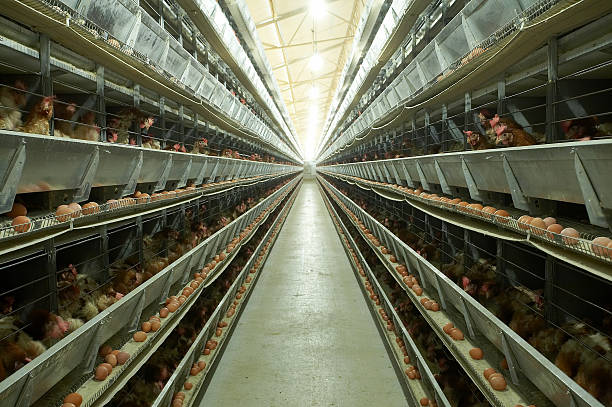
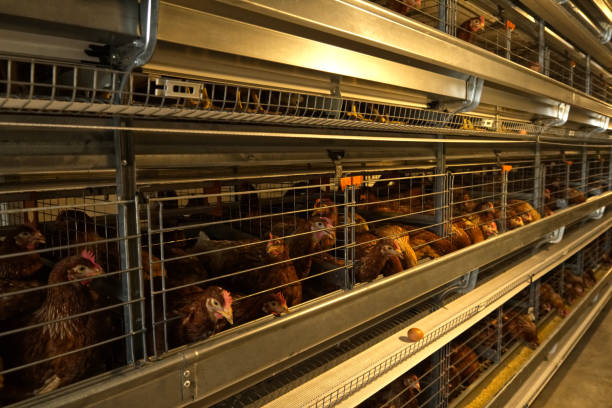
Layer cage systems are housing solutions specifically designed for laying hens. These systems typically consist of multiple tiers of cages arranged in rows, providing a controlled environment for the birds. The primary goal of layer cages is to optimize egg production by providing a comfortable, safe, and easily manageable space for the hens.
Benefits of Using Layer Cages in Large-Scale Farms
Compared to other housing systems like floor or free-range setups, layer cages offer several distinct advantages for large-scale egg production:
Increased Egg Production: Layer cages create a more controlled environment that optimizes laying conditions. This can lead to a higher egg-laying rate per hen compared to other systems. By minimizing distractions and providing consistent access to feed and water, hens are more likely to maintain a consistent laying cycle.
Better Space Utilization: Layer cages allow for a higher stocking density, meaning more hens can be housed in a given area. This efficient use of space is crucial for large-scale operations, where maximizing productivity within limited land resources is essential.
Improved Hygiene and Disease Control: Cages separate hens from their droppings, reducing the risk of bacterial contamination and disease spread. Manure collection systems, often automated, further contribute to a cleaner environment, minimizing the need for frequent cleaning and reducing the risk of ammonia build-up.
Simplified Management: Layer cages streamline many aspects of farm management. Feeding, watering, and egg collection can be automated, reducing labor costs and improving efficiency. Individual hen monitoring is also easier, allowing for prompt identification and treatment of sick or underperforming birds.
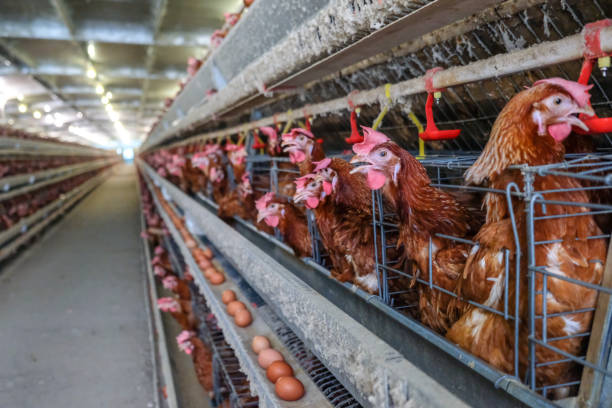
Reduced Egg Breakage: Eggs roll out of the cages and onto a collection system, minimizing the risk of hens pecking at or breaking the eggs. This reduces egg loss and improves the overall yield.
Enhanced Biosecurity: Layer cage systems offer improved biosecurity by limiting contact between birds and external contaminants. This is especially important in large-scale operations where the risk of disease outbreaks can be significant.
Types of Layer Cage Systems
The layer cage market offers a variety of options, each with its own unique features and benefits. The most common types include:
A-Frame Cages: This traditional design features cages arranged in an A-shape, offering good ventilation and ease of inspection. A-frame cages are known for their simplicity and cost-effectiveness, making them a popular choice for smaller to medium-sized farms.
H-Frame Cages: H-frame cages have a more robust structure and allow for multiple tiers, maximizing space utilization. These are suitable for larger operations and are often incorporated into fully automated systems.
Vertical or Multi-Tier Cages: These systems maximize vertical space by stacking cages in multiple tiers. They are ideal for farms with limited land but require more sophisticated automation for feeding, watering, and egg collection.
Manure Removal Systems: Different systems exist to remove manure from layer cages to improve hygiene. These include scraper belt systems, deep pit systems, and flushing systems.
Essential Features of High-Quality Layer Cages
When selecting layer cages for a large-scale farm, consider these essential features:
Durable Construction: The cages should be made from high-quality materials that can withstand the rigors of daily use and cleaning. Galvanized steel is a common choice due to its resistance to rust and corrosion.
Comfortable Living Space: Hens need adequate space to move around, stand, and stretch comfortably. Overcrowding can lead to stress, aggression, and reduced egg production. Regulations often dictate minimum space requirements per hen.
Adequate Ventilation: Proper ventilation is crucial for maintaining air quality, removing ammonia, and controlling temperature. Cages should be designed to allow for good air circulation, especially in enclosed buildings.
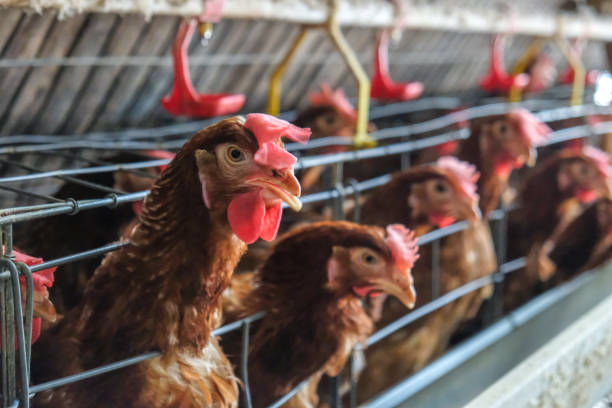
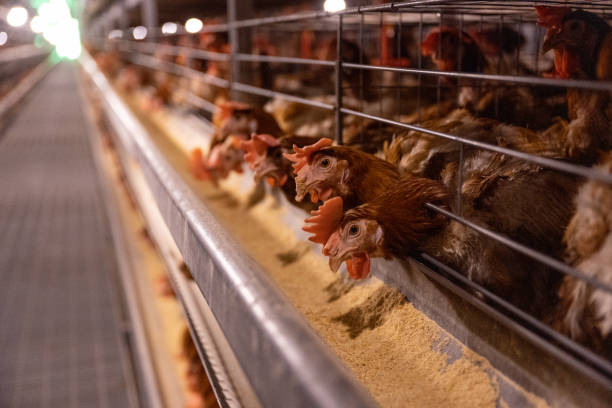
Easy Access to Feed and Water: Hens should have constant access to fresh, clean water and a balanced diet. Ensure that the feeding and watering systems are reliable, efficient, and easy to maintain.
Effective Egg Collection: The egg collection system should minimize egg breakage and ensure efficient retrieval. Automated systems can significantly reduce labor costs and improve egg quality.
Easy to Clean and Disinfect: The cages should be designed for easy cleaning and disinfection to prevent the build-up of bacteria and pathogens. Smooth surfaces and accessible corners are important features.
Manure Management System: Efficient and automated manure removal systems should be chosen to maintain a hygienic environment for the birds, thus reducing disease.
Implementing Layer Cages in Large-Scale Farms: Key Considerations
Implementing layer cage systems in large-scale farms requires careful planning and attention to detail. Here are some key considerations:
Farm Layout and Design: Carefully plan the layout of the poultry house to maximize space utilization and ensure efficient workflow. Consider factors such as ventilation, lighting, and access for equipment and personnel.
Cage Selection: Choose the type of cage system that best suits the needs of your operation, taking into account factors such as the number of hens, available space, budget, and automation requirements.
Ventilation and Climate Control: Implement a comprehensive ventilation system to maintain optimal temperature, humidity, and air quality. Consider using fans, cooling pads, and heaters to regulate the environment.
Lighting: Provide adequate lighting to stimulate egg production. Use a timer to control the lighting schedule and ensure consistency. Dimming systems can help reduce energy consumption.
Feeding and Watering Systems: Implement reliable and efficient feeding and watering systems that can provide a consistent supply of nutrients to the hens. Consider using automated systems to reduce labor costs and improve efficiency.
Manure Management: Implement a manure management system that effectively removes and processes waste in an environmentally responsible manner. Consider using composting, biogas production, or other methods of waste treatment.
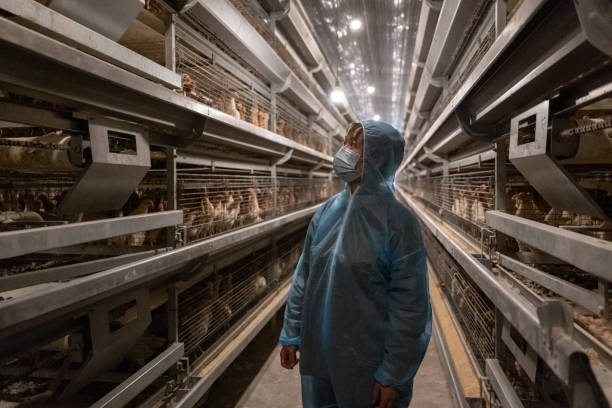
Biosecurity Measures: Implement strict biosecurity measures to prevent the introduction and spread of diseases. This includes controlling access to the farm, disinfecting equipment, and implementing vaccination programs.
Staff Training: Provide comprehensive training to staff on the proper operation and maintenance of the layer cage system. Ensure that they understand the importance of hygiene, biosecurity, and bird welfare.
Regular Monitoring: Regularly monitor the performance of the hens and the overall operation of the layer cage system. Track key metrics such as egg production, feed consumption, mortality rates, and disease incidence.
The Importance of Animal Welfare
While cages have become an efficient commercial industry standard, animal welfare is an increasingly important consideration in layer cage systems. While conventional cages are still used widely, there’s a growing wave demanding enriched cage systems or cage-free systems.
Enriched cages: These cages provide hens with additional space, perches, nesting areas, and scratching pads. These features allow hens to express more natural behaviors and improve their overall well-being, which in turn, also helps improve egg production.
Cage-free systems: These systems allow hens to roam freely within a poultry house. While cage-free systems can provide a more natural environment for hens, they also present challenges in terms of biosecurity, disease control, and egg collection.
Benefits of Using Automated Systems
Automating processes in layer cage systems can significantly improve efficiency and reduce labor costs. Some common automation technologies include:
Automated Feeding Systems: These systems deliver feed to the hens automatically, ensuring consistent nutrition and reducing waste.
Automated Watering Systems: These systems provide a constant supply of fresh, clean water to the hens, reducing the risk of dehydration and disease.
Automated Egg Collection Systems: These systems collect eggs automatically, reducing labor costs and minimizing egg breakage.
Automated Manure Removal Systems: These systems remove manure automatically, improving hygiene and reducing the risk of disease.
Climate Control Systems: These systems maintain optimal temperature, humidity, and air quality, ensuring the comfort and well-being of the hens.
Choosing the Right Supplier
Selecting a reliable supplier is crucial for the success of your layer cage project. Here are some factors to consider when choosing a supplier:
Experience and Reputation: Choose a supplier with a proven track record and a strong reputation for quality and service.
Product Quality: Ensure that the supplier’s products are made from high-quality materials and meet industry standards.
Customization Options: Choose a supplier who can customize the layer cage system to meet the specific needs of your farm.
Technical Support: Ensure that the supplier provides comprehensive technical support, including installation, training, and maintenance services.
Warranty: Choose a supplier who offers a warranty on their products, giving you peace of mind and protection against defects.
Conclusion
Layer cage systems offer a practical and efficient solution for maximizing egg production in large-scale farms. By carefully considering the different types of cages, essential features, and implementation considerations, farmers can create a productive and sustainable egg production operation. While profitability is important, do not forget to balance efficiency with animal welfare and environmental responsibility. Investing in high-quality cages and implementing sound management practices are essential for ensuring the success and profitability of large-scale egg farms in the long run. By prioritizing the health and well-being of the hens, farmers can further improve egg production which leads to better yields and sustainable practices.