Maximize Egg Production: Automatic Poultry Cage Systems for Ghanaian Farms
Maximize Egg Production: Automatic Poultry Cage Systems for Ghanaian Farms
Ghana’s poultry industry is on the rise, and with it comes the need for innovative solutions that maximize egg production while minimizing costs and labor. Automatic poultry cage systems are emerging as a game-changer for Ghanaian farmers looking to boost efficiency and profitability. These systems, designed for both layer and broiler chickens, provide a controlled environment that optimizes bird health, reduces disease, and ultimately leads to increased egg yields. Let’s delve into how automatic poultry cage systems can transform Ghanaian farms and explore the key features, benefits, and considerations for implementation.
The State of Poultry Farming in Ghana
Poultry farming holds a significant place in Ghana’s agricultural sector, providing a crucial source of protein and income for many families. Traditional methods, while still prevalent, often face challenges such as high labor costs, disease outbreaks, and inconsistent egg production. These issues can significantly impact the profitability of poultry farms, making it difficult for farmers to compete in the market. As demand for eggs continues to grow, the need for modern, efficient farming practices becomes ever more critical.
Automatic poultry cage systems offer a solution to these challenges by automating essential tasks such as feeding, watering, and waste removal. This not only reduces labor requirements but also ensures that birds receive consistent nutrition and a clean environment, which are vital for optimal egg production. By adopting these advanced systems, Ghanaian farmers can enhance their competitiveness and contribute to the sustainable growth of the poultry industry.
Understanding Automatic Poultry Cage Systems
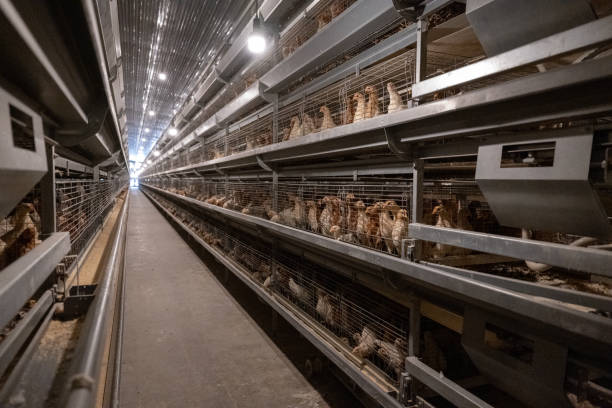
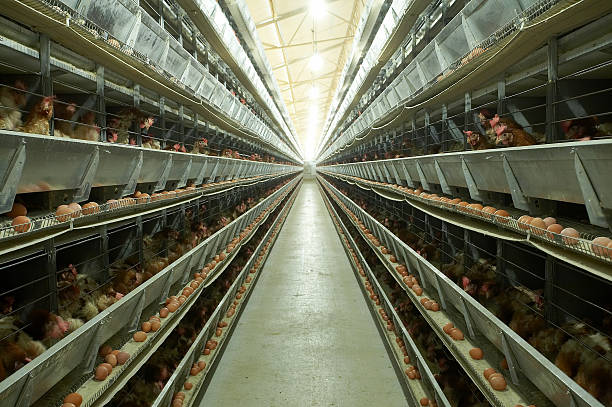
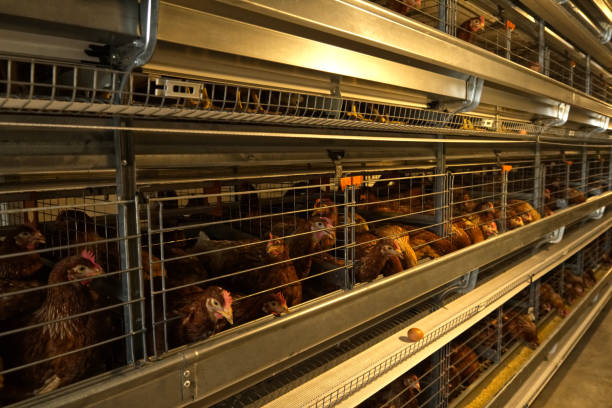
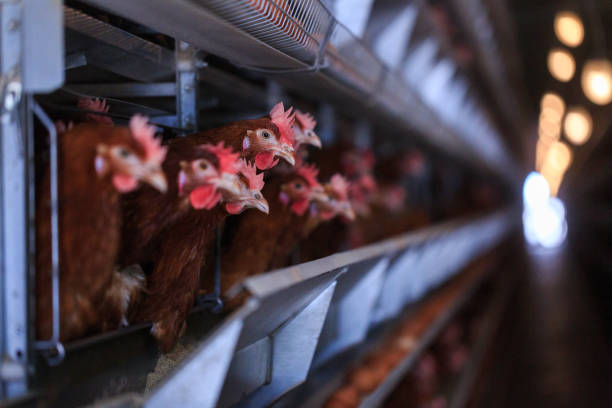
Automatic poultry cage systems are designed to streamline the management of layer chickens, optimizing their environment to promote health and productivity. These systems typically consist of multiple tiers of cages, each housing several birds. The cages are equipped with automated feeding and watering mechanisms, as well as manure removal systems, to minimize labor and maintain a clean environment.
Key Components of Automatic Cage Systems
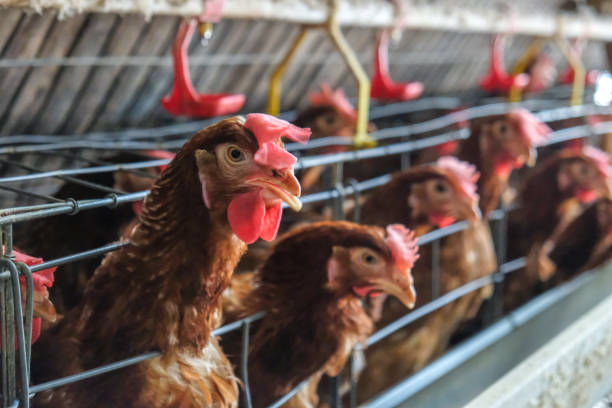
Cages: The cages are designed to provide adequate space for the birds to move, feed, and rest comfortably. They are usually made of galvanized steel wire mesh, which is durable and easy to clean. The layout of the cages is optimized to facilitate egg collection and minimize stress on the birds.
Feeding System: Automatic feeding systems deliver a consistent and precisely measured amount of feed to each cage, ensuring that all birds receive adequate nutrition. This reduces feed wastage and promotes uniform growth and egg production. The feed is typically stored in a hopper and distributed to the cages via augers or chains.
Watering System: Automatic watering systems provide a continuous supply of clean, fresh water to the birds. Nipple drinkers are commonly used, as they are hygienic and prevent water contamination. The watering system is designed to minimize water spillage and ensure that all birds have easy access to water.
Manure Removal System: Automatic manure removal systems remove waste from the cages on a regular basis, reducing ammonia levels and improving air quality. This helps to prevent disease outbreaks and maintain a healthy environment for the birds. Scraper systems or belt systems are commonly used to remove manure from the cages.
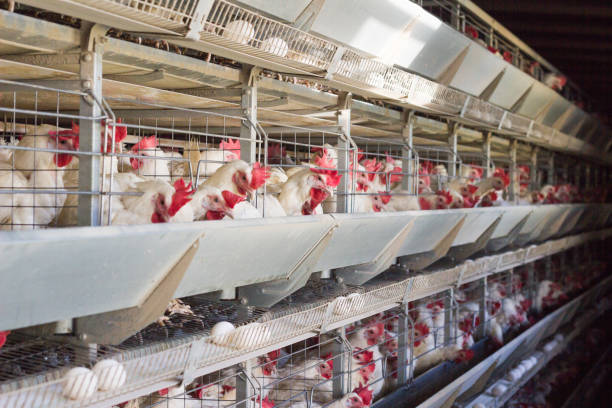
Egg Collection System: Automatic egg collection systems gently transport eggs from the cages to a central collection point, reducing the risk of breakage and contamination. This saves time and labor, allowing farmers to focus on other important tasks. The eggs are typically transported on conveyor belts to a collection table or packing station.
Climate Control System: Climate control systems regulate the temperature and humidity inside the poultry house, creating an optimal environment for egg production. Fans, heaters, and ventilation systems are used to maintain a consistent temperature and prevent heat stress or cold stress.
Benefits of Automatic Poultry Cage Systems for Ghanaian Farms
Investing in automatic poultry cage systems offers numerous advantages for Ghanaian farmers, leading to increased efficiency, profitability, and sustainability.
Increased Egg Production
Automatic cage systems provide a controlled environment that optimizes egg production. By ensuring consistent feeding, watering, and climate control, these systems minimize stress on the birds and promote their overall health. This leads to higher egg yields and improved egg quality. Farmers can expect to see a significant increase in egg production compared to traditional farming methods.
Reduced Labor Costs
One of the most significant benefits of automatic cage systems is the reduction in labor costs. The automated feeding, watering, and manure removal systems eliminate the need for manual labor, saving farmers time and money. This allows farmers to focus on other important tasks, such as marketing and business management. In a country where labor costs can be high, this is a major advantage.
Improved Bird Health and Welfare
Automatic cage systems help to maintain a clean and hygienic environment for the birds, reducing the risk of disease outbreaks. The automated manure removal system removes waste on a regular basis, minimizing ammonia levels and improving air quality. This promotes bird health and welfare, leading to lower mortality rates and reduced veterinary costs.
Efficient Space Utilization
Automatic cage systems allow for efficient utilization of space, as they can house more birds in a given area compared to traditional methods. The multi-tiered design of the cages maximizes the use of vertical space, increasing the overall production capacity of the farm. This is particularly beneficial for farmers with limited land.
Enhanced Monitoring and Control
Automatic cage systems can be equipped with sensors and monitoring devices that provide real-time data on temperature, humidity, feed consumption, and water intake. This allows farmers to closely monitor the health and performance of their birds and make timely adjustments to optimize their environment. Remote monitoring capabilities allow farmers to manage their farms from anywhere, using a smartphone or tablet.
Better Egg Quality
Automatic egg collection systems minimize the risk of egg breakage and contamination, ensuring that eggs are of high quality. The eggs are gently transported from the cages to a central collection point, reducing the risk of damage. This leads to higher prices for eggs and increased customer satisfaction.
Environmental Sustainability
Automatic cage systems can contribute to environmental sustainability by reducing waste and minimizing the use of resources. The automated manure removal system allows for efficient manure management, which can be used as fertilizer for crops. This reduces the need for synthetic fertilizers and promotes sustainable farming practices.
Considerations for Implementing Automatic Poultry Cage Systems in Ghana
Before investing in automatic poultry cage systems, Ghanaian farmers should carefully consider several factors to ensure a successful implementation.
Cost Analysis
The initial investment in automatic cage systems can be significant, so it is important to conduct a thorough cost analysis to determine the return on investment. Farmers should consider the cost of the equipment, installation, training, and ongoing maintenance. It is also important to factor in the potential increase in egg production and the reduction in labor costs.
Climate Conditions
Ghana has a tropical climate, with high temperatures and humidity. It is important to choose a cage system that is designed to withstand these conditions. The system should have adequate ventilation and cooling mechanisms to prevent heat stress in the birds. Farmers may need to invest in additional cooling equipment, such as fans or evaporative coolers, to maintain a comfortable environment for the birds.
Power Supply
Automatic cage systems require a reliable power supply to operate effectively. Ghanaian farmers should ensure that they have access to a stable and consistent power source. If the power supply is unreliable, farmers may need to invest in a backup generator to prevent disruptions in production.
Training and Support
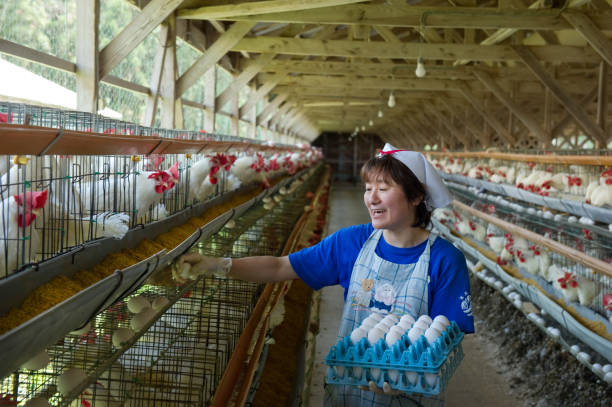
Proper training and support are essential for the successful operation of automatic cage systems. Farmers should receive training on how to operate and maintain the equipment, as well as how to monitor the health and performance of their birds. Suppliers should provide ongoing technical support to address any issues that may arise.
Local Regulations
Ghanaian farmers should be aware of local regulations regarding poultry farming and ensure that their operations comply with all applicable laws. This may include regulations related to animal welfare, environmental protection, and food safety.
Sourcing Reliable Suppliers
Choosing a reputable and reliable supplier of automatic poultry cage systems is crucial for success. Look for suppliers with a proven track record of providing high-quality equipment and excellent customer service. Consider suppliers who offer installation services, training, and ongoing technical support. It is also important to choose a supplier who can provide spare parts and maintenance services to ensure the long-term viability of the system.
Biosecurity Measures
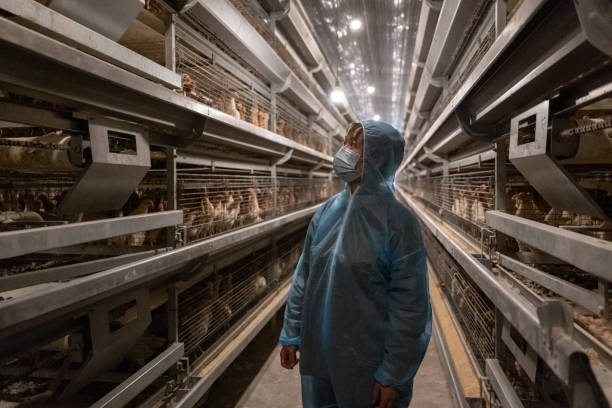
Implementing strict biosecurity measures is essential to prevent disease outbreaks and protect the health of the birds. This includes controlling access to the poultry house, disinfecting equipment and footwear, and implementing a vaccination program. Farmers should also monitor their birds for signs of illness and take prompt action to address any health issues.
Conclusion
Automatic poultry cage systems offer a transformative solution for Ghanaian farmers looking to maximize egg production and improve the efficiency of their operations. By automating essential tasks, these systems reduce labor costs, improve bird health, and enhance egg quality. While the initial investment may be significant, the long-term benefits of automatic cage systems, including increased egg yields, reduced operating costs, and improved sustainability, make them a worthwhile investment for Ghanaian poultry farmers. As Ghana’s poultry industry continues to grow, the adoption of automatic cage systems will play a crucial role in ensuring its competitiveness and sustainability. By carefully considering the factors outlined above and working with reputable suppliers, Ghanaian farmers can successfully implement automatic cage systems and reap the benefits of modern poultry farming.