Poultry Cage Buying Guide for African Farmers
Poultry Cage Buying Guide for African Farmers
Poultry farming, especially egg production and broiler rearing, is a vital part of the agricultural landscape in Africa. To maximize efficiency, increase production, and ensure the well-being of your chickens, choosing the right poultry cages is paramount. This comprehensive guide is designed to equip African farmers with the knowledge needed to make informed decisions when investing in poultry cages. We’ll cover everything from cage types and materials to key considerations and maintenance tips.
Why Use Poultry Cages? The Advantages
Before diving into the details, let’s clarify why poultry cages are beneficial:
Increased Space Utilization: Cages allow you to house more birds in a smaller area compared to free-range systems. This is particularly crucial in areas where land is limited or expensive.
Improved Hygiene and Health: Cages facilitate better waste management, reducing the risk of disease outbreaks. Chickens are less likely to come into contact with their droppings, minimizing the spread of infections.
Easier Management: Feeding, watering, and egg collection become more efficient in a caged system. You can easily monitor individual birds and identify any health issues early on.
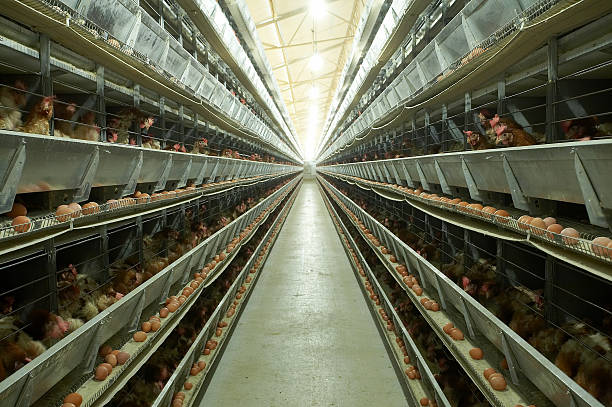
Reduced Egg Breakage: In egg-laying operations, cages significantly reduce egg breakage as eggs roll away from the hens and are collected separately.
Predator Protection: Cages provide a secure environment, protecting your chickens from predators like foxes, snakes, and birds of prey.
Better Feed Conversion Ratio: Caged birds tend to have a better feed conversion ratio, meaning they require less feed to produce the same amount of eggs or meat.
Optimized Environmental Control: In enclosed poultry houses, cages make it easier to control environmental factors like temperature and humidity, which are crucial for optimal growth and egg production.
Types of Poultry Cages: Which One is Right for You?
Several types of poultry cages are available on the market. Each type is designed for specific purposes and farm sizes. Choosing the right one depends on the type of poultry you are raising (layers or broilers), the size of your operation, and your budget.
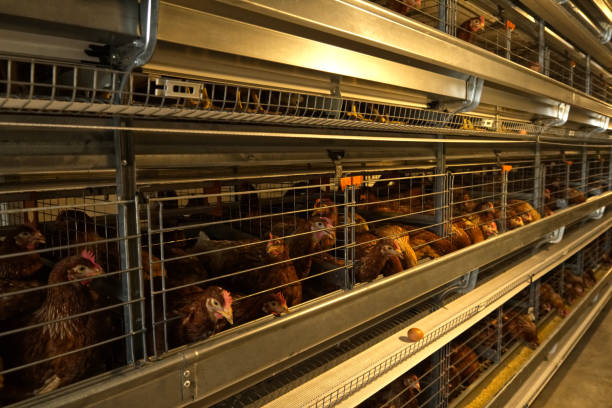
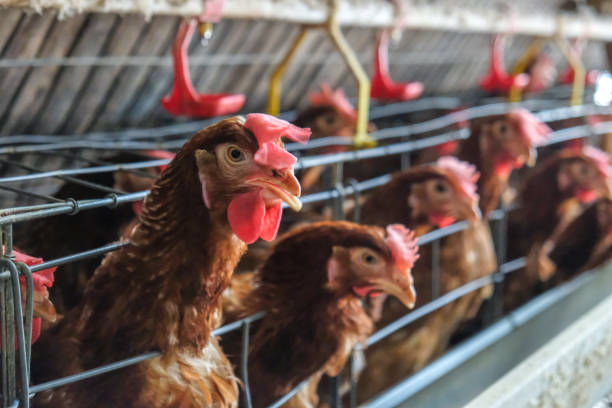
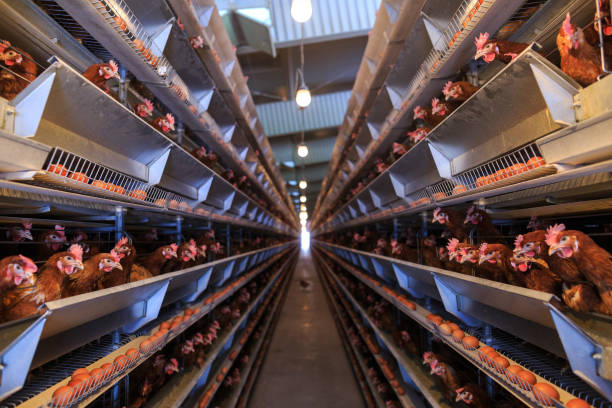
Layer Cages (Egg-Laying Chickens): These cages are designed specifically for egg-laying hens. They typically feature sloped floors that allow eggs to roll forward for easy collection. Layer cages come in various configurations.
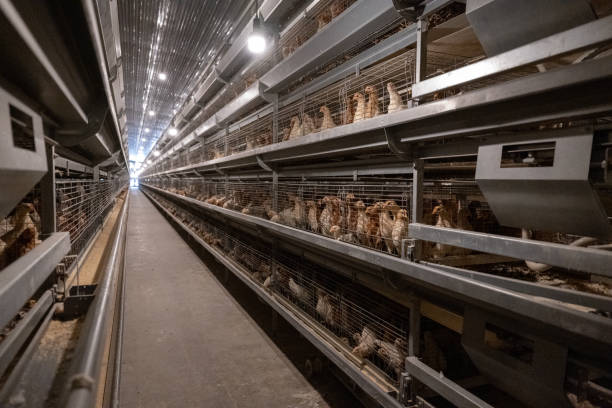
A-Frame Cages: These are the most common type, offering a good balance of cost-effectiveness and space utilization. They consist of multiple tiers arranged in an “A” shape. A-frame cages are relatively easy to install and maintain.
H-Frame Cages: H-frame cages are more sophisticated and offer better space utilization and ventilation compared to A-frame cages. They feature a more robust structure and are ideal for larger operations where automation is desired. They are easier to manage in terms of waste removal.
Flat Deck Cages: These cages are arranged on a single level, making them easy to access and manage manually. Flat deck cages are suitable for smaller farms where automation is not a priority.
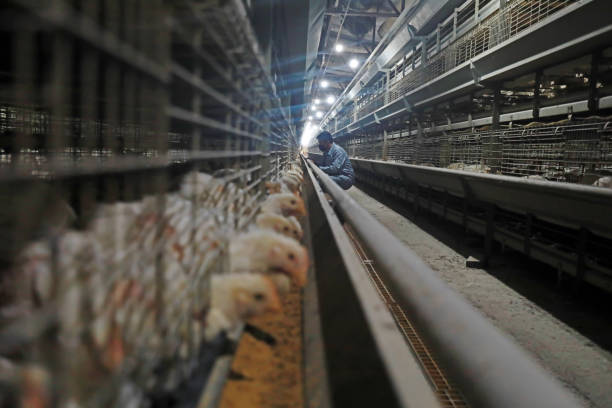
Broiler Cages (Meat Chickens): Broiler cages are designed to provide a comfortable and hygienic environment for meat chickens to grow quickly. They are typically larger and more spacious than layer cages.
Flat Deck Broiler Cages: Similar to flat deck layer cages, these are arranged on a single level. They allow for easy access to the birds and are well-suited for smaller-scale broiler farms.
Tiered Broiler Cages: These cages are arranged in multiple tiers to maximize space utilization. They often incorporate automated feeding and drinking systems. Tiered broiler cages are suitable for larger commercial operations.
Floor Raising System: Floor raising system is applied to breed broiler chickens. The broiler chickens will be raised in the plastic floor, which can keep them away from the ground, reduce the chance of bacteria infection and improve the survival rate.
Chick Cages (For Young Chicks): These are smaller cages used to house chicks during their early stages of life. They provide a safe and warm environment, protecting chicks from predators and diseases. Chick cages often feature heating lamps to maintain optimal brooding temperatures.
Materials Matter: Choosing the Right Cage Material
The material used to construct poultry cages significantly affects their durability, hygiene, and cost. The most common materials are:
Galvanized Steel: Galvanized steel is the most popular choice for poultry cages due to its durability, rust resistance, and affordability. Galvanization involves coating the steel with a layer of zinc, which protects it from corrosion.
Hot-Dipped Galvanized Steel: This type of galvanization provides a thicker and more durable zinc coating than electro-galvanization. Hot-dipped galvanized steel cages are ideal for harsh environments and offer a longer lifespan.
Electro-Galvanized Steel: Electro-galvanized steel is a more affordable option, but the zinc coating is thinner and less resistant to corrosion. These cages are suitable for drier climates and less intensive use.
Stainless Steel: Stainless steel cages are the most expensive option, but they offer excellent corrosion resistance and hygiene. They are ideal for environments where hygiene is a top priority, such as breeding farms and research facilities.
Plastic: Plastic cages are lightweight, easy to clean, and resistant to corrosion. However, they are less durable than steel cages and may not be suitable for heavy-duty use. Plastic cages are often used for chick rearing and transport.
Key Considerations When Buying Poultry Cages
Purchasing poultry cages is a significant investment, so it’s essential to consider several factors before making a decision:
Cage Size and Capacity: The size of the cage should be appropriate for the number of birds you intend to house. Overcrowding can lead to stress, disease outbreaks, and reduced productivity. Consult with poultry experts or suppliers to determine the optimal stocking density for your specific breed and age of chickens.
Ventilation: Adequate ventilation is crucial for maintaining a healthy environment inside the poultry house. Cages should be designed to allow for proper air circulation, preventing the build-up of ammonia and other harmful gases.
Lighting: Lighting plays a vital role in egg production and broiler growth. Cages should be positioned to allow for adequate light exposure. Consider using artificial lighting systems to supplement natural light, especially during shorter days.
Feeding and Watering Systems: Choose cages with efficient feeding and watering systems that minimize feed wastage and ensure that all birds have access to fresh water. Automatic feeding and watering systems can save time and labor, especially in larger operations.
Waste Management: Efficient waste management is essential for maintaining hygiene and preventing disease outbreaks. Cages should be designed to facilitate easy waste removal. Consider using manure belts or other automated waste removal systems to reduce manual labor.
Ease of Assembly and Maintenance: Opt for user-friendly cages that are easy to assemble and maintain. Look for cages with simple designs and readily available spare parts. Regular cleaning and maintenance are essential for prolonging the lifespan of your cages and ensuring the health of your birds.
Durability and Longevity: Choose cages made from high-quality materials that can withstand the rigors of daily use. Consider the climate in your region and select cages that are resistant to corrosion and other environmental factors.
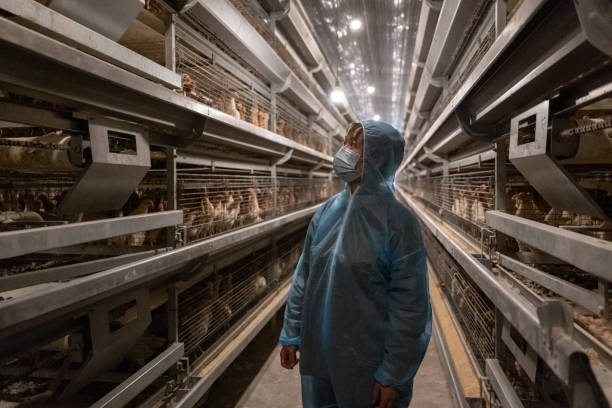
Biosecurity Features: Biosecurity is crucial for preventing the spread of diseases on your farm. Choose cages with features that minimize the risk of contamination, such as solid partitions between cages and easy-to-clean surfaces.
Ergonomics: Ergonomics are important for the well-being of your workers. Choose cages that are designed to minimize bending and lifting, reducing the risk of injury.
Budget: Poultry cages range in price depending on the type, material, and features. Determine your budget and choose cages that offer the best value for your money. Don’t compromise on quality, as cheap cages may end up costing you more in the long run due to repairs and replacements.
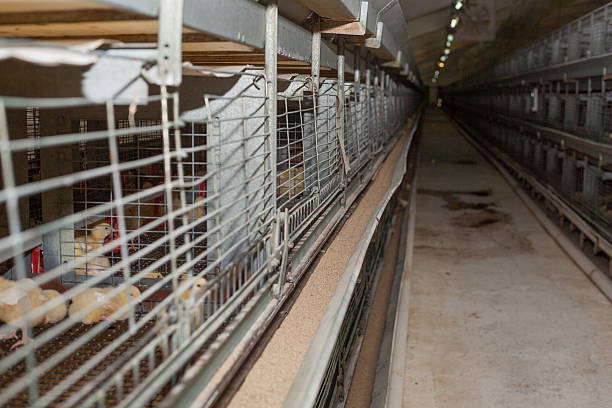
Supplier Reputation: Purchase your poultry cages from a reputable supplier with a proven track record of providing high-quality products and excellent customer service. Check online reviews and ask for recommendations from other farmers.
Climate Considerations: Consider local climate variations. Humid regions might benefit more from stainless steel or well-galvanized cages. Arid regions may need cages that provide shade and protection from the sun.
Installation and Maintenance Tips
Once you’ve purchased your poultry cages, proper installation and maintenance are essential for ensuring their longevity and the health of your birds:
Proper Installation: Follow the manufacturer’s instructions carefully when installing your poultry cages. Ensure that the cages are level and securely anchored to the floor.
Regular Cleaning: Clean your poultry cages regularly to remove manure, feathers, and other debris. Use a pressure washer or brush to scrub the cages thoroughly. Disinfect the cages periodically to kill bacteria and viruses.
Water System Maintenance: Regularly clean and flush your watering system to prevent the build-up of algae and bacteria. Check for leaks and repair them promptly.
Feeding System Maintenance: Inspect your feeding system regularly for any signs of damage or malfunction. Ensure that the feeders are dispensing feed evenly and efficiently.
Pest Control: Implement a comprehensive pest control program to prevent rodents, insects, and other pests from infesting your poultry house.
Routine Inspections: Conduct routine inspections of your poultry cages to identify any potential problems, such as broken wires, loose connections, or signs of corrosion. Address these issues promptly to prevent them from escalating into more serious problems.
Record Keeping: Keep accurate records of all maintenance activities, including cleaning, repairs, and replacements. This will help you track the performance of your cages and identify any recurring issues.
Finding the Right Supplier
Finding a reputable supplier is essential for getting quality poultry cages. Look for suppliers that:
Have experience in the African market: They understand the specific challenges and requirements of African farmers.
Offer a wide range of cage types: Providing you with options to suit your specific needs.
Provide warranties and after-sales support: Ensuring you’re covered in case of manufacturing defects.
Have positive reviews and testimonials: Indicating customer satisfaction with their products and services.
Can provide installation and maintenance guidance: Helping you set up and maintain your cages properly.
Conclusion: Investing in Your Poultry Future
Choosing the right poultry cages is a critical investment for African farmers looking to improve their productivity, efficiency, and profitability. By carefully considering the factors outlined in this guide, you can make informed decisions that will benefit your poultry operation for years to come. Remember to prioritize quality, durability, and hygiene to ensure the health and well-being of your chickens and the success of your farm. By investing in good poultry cages, you’re investing in the future of your farm.