Poultry Cage Equipment: A Comprehensive Guide for African Farmers
Poultry Cage Equipment: A Comprehensive Guide for African Farmers
Poultry farming in Africa offers a significant opportunity for both small-scale and large-scale farmers to improve their livelihoods and contribute to food security. However, maximizing the efficiency and profitability of a poultry operation requires careful consideration of the right equipment. Poultry cage systems represent a vital piece of this equipment, offering numerous advantages in terms of space utilization, disease control, and overall management. This guide aims to provide African farmers with a comprehensive overview of poultry cage equipment, helping them make informed decisions to optimize their poultry farms.
Understanding the Basics of Poultry Cages
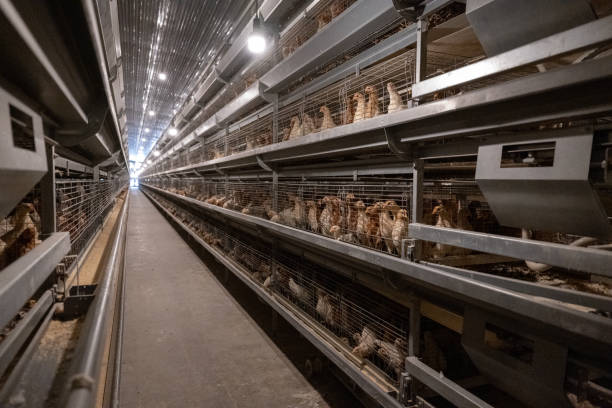
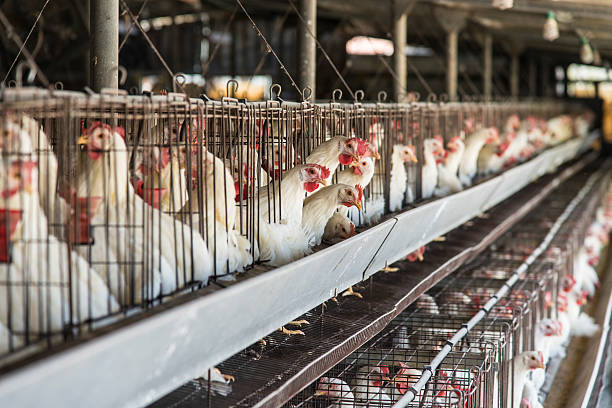
Poultry cages are enclosed structures designed to house poultry birds, typically laying hens or broilers. They are usually made of galvanized steel wire mesh and are available in various configurations and sizes. The primary purpose of using cages is to provide a controlled environment for the birds, facilitating efficient management practices.
Types of Poultry Cages
Several types of poultry cages cater to different farming needs and bird types. Understanding these options is crucial for selecting the most suitable system for your farm.
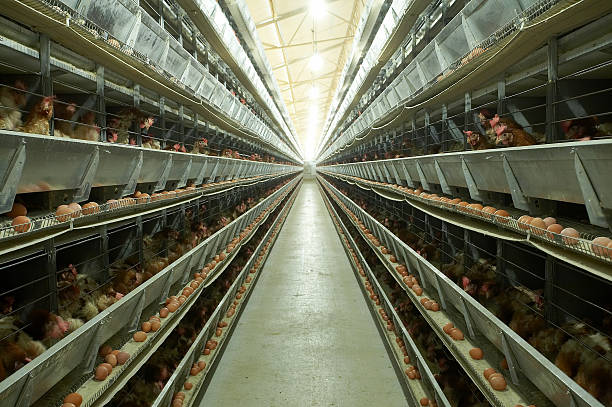
Layer Cages: Layer cages are specifically designed for housing laying hens. These cages are structured to provide each hen with individual space for feeding, drinking, and laying eggs. The cages are typically tiered, maximizing space utilization within the poultry house. Common types of layer cages include:
A-Frame Cages: These are the most traditional type of layer cage, characterized by their A-shaped frame. They are relatively inexpensive and easy to install, making them a popular choice for small-scale farmers.
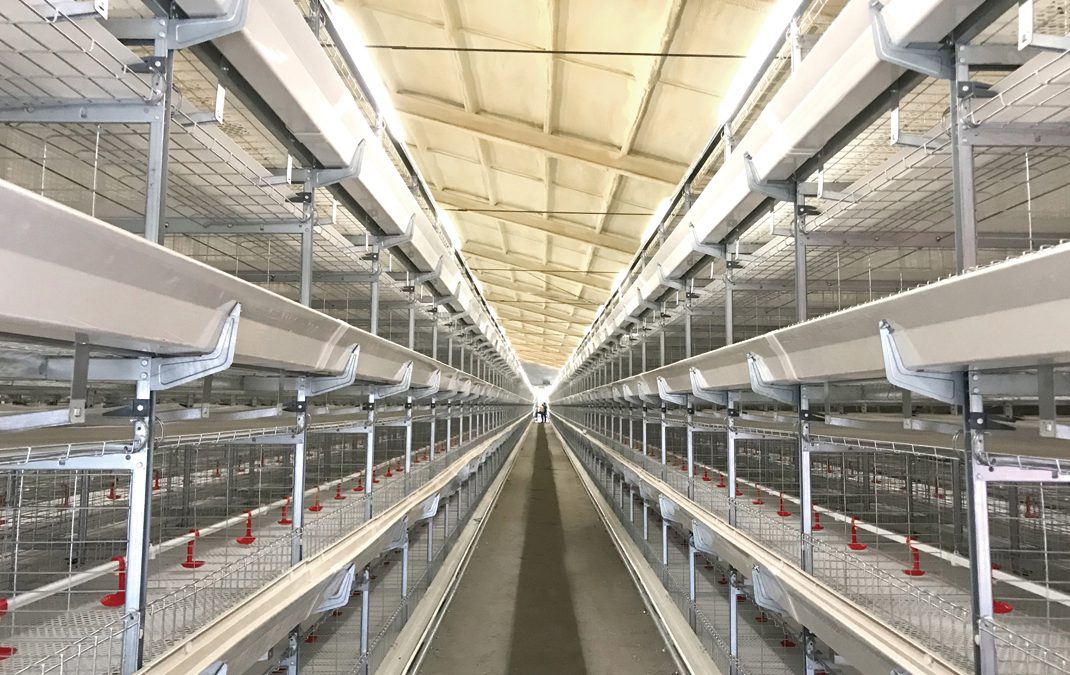
H-Frame Cages: H-frame cages feature a horizontal configuration, often with multiple tiers. They offer better ventilation and easier access for cleaning compared to A-frame cages.
Flat Deck Cages: These cages are arranged on a single level, providing easy access to all birds. They are suitable for smaller operations where space is not a primary constraint.
Broiler Cages: Broiler cages are designed for raising meat chickens (broilers). They are generally larger than layer cages to accommodate the faster growth rate and larger size of broiler birds. Broiler cages typically feature:
Larger Floor Space: Broilers require more floor space than layers to ensure healthy growth and prevent overcrowding.
Robust Construction: Broiler cages need to be sturdy enough to withstand the weight and activity of the birds.
Easy Access for Feeding and Watering: Efficient feeding and watering systems are essential for broiler cage management.
Chick Cages (Brooder Cages): These smaller cages are specifically designed for young chicks, usually from day-old to a few weeks old. They provide a controlled environment with supplemental heating to ensure the chicks stay warm and healthy during their critical early stages.
Advantages of Using Poultry Cages
Implementing poultry cage systems offers numerous benefits that can significantly improve the efficiency and profitability of poultry farms in Africa:
Improved Space Utilization: Cages allow for a higher stocking density compared to floor systems, maximizing the number of birds that can be raised in a given area. This is particularly important in areas where land is limited or expensive.
Enhanced Disease Control: Cages reduce the birds’ contact with their own feces, minimizing the spread of diseases. This leads to lower mortality rates and reduced reliance on antibiotics. The cleaner environment helps prevent coccidiosis and other common poultry ailments.
Easier Management: Cage systems simplify management tasks such as feeding, watering, and egg collection. Automated systems can further reduce labor requirements.
Reduced Feed Wastage: Cages prevent birds from scratching and scattering feed, resulting in less feed wastage and improved feed conversion ratios. This translates to lower feed costs and increased profitability.
Improved Egg Quality: Cage systems often incorporate egg collection mechanisms that protect eggs from damage and contamination, resulting in higher quality eggs.
Reduced Cannibalism and Pecking: Separating birds into individual or small groups in cages can reduce instances of cannibalism and feather pecking, which can be problematic in floor systems.
Better Observation and Monitoring: Cages allow farmers to easily observe individual birds, identify health problems early, and take appropriate action.
Factors to Consider When Choosing Poultry Cage Equipment
Selecting the right poultry cage equipment is a crucial decision that will impact the long-term success of your poultry farm. Consider the following factors carefully:
Type of Bird (Layers or Broilers): The type of bird you are raising will determine the appropriate cage design, size, and features. Layer cages are designed for egg production, while broiler cages are designed for meat production.
Farm Size and Capacity: The size of your farm and the number of birds you plan to raise will influence the cage system’s capacity and layout. Consider future expansion plans when selecting your equipment.
Budget: Poultry cage equipment represents a significant investment. Determine your budget and explore different options that offer the best value for your money. Consider the long-term return on investment, including factors like reduced feed costs and increased egg production.
Climate: The climate in your region will affect the ventilation and cooling requirements of your poultry house. Select cage systems that are well-ventilated and allow for proper airflow.
Automation: Consider the level of automation you require, such as automated feeding, watering, and egg collection systems. Automation can reduce labor costs and improve efficiency, but it also requires a higher initial investment.
Durability and Maintenance: Choose cage systems made from high-quality materials that are durable and easy to maintain. Galvanized steel is a common choice due to its resistance to rust and corrosion. Consider the availability of spare parts and maintenance services.
Ease of Installation: Consider the ease of installation of the cage system. Some suppliers offer installation services, while others require you to install the cages yourself.
Supplier Reputation and Support: Choose a reputable supplier with a proven track record of providing high-quality poultry cage equipment. Ensure the supplier offers good customer support and technical assistance.
Local Regulations: Be aware of any local regulations or standards regarding poultry housing and animal welfare. Ensure that your chosen cage system complies with these regulations.
Essential Components of a Poultry Cage System
A complete poultry cage system consists of several essential components that work together to provide a suitable environment for the birds.
Cage Structure: The main frame of the cage, typically constructed from galvanized steel wire mesh. The structure provides the enclosure and support for the birds.
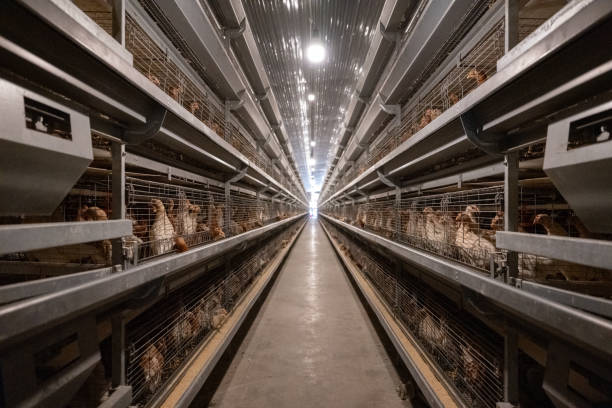
Feeding System: Systems for delivering feed to the birds. These can be manual or automated. Automatic feeding systems can significantly reduce labor costs and ensure consistent feed distribution. Types of feeding systems include:
Trough Feeders: Simple troughs that run along the length of the cage.
Chain Feeders: A chain system that carries feed along the trough.
Auger Feeders: An auger system that delivers feed to the cages.
Watering System: Systems for providing water to the birds. Nipple drinkers are the most common type of watering system in cage systems, as they minimize water wastage and contamination.
Egg Collection System (for Layer Cages): Systems for collecting eggs. These can be manual or automated. Automatic egg collection systems can improve egg quality and reduce labor costs. Types of egg collection systems include:
Manual Collection: Eggs are collected by hand.
Semi-Automatic Collection: Eggs roll onto a collection belt and are then manually collected.
Automatic Collection: Eggs are automatically conveyed to a central collection point.
Manure Removal System: Systems for removing manure from the poultry house. Efficient manure removal is essential for maintaining good hygiene and reducing ammonia levels. Types of manure removal systems include:
Manual Scraping: Manure is manually scraped from under the cages.
Automatic Scrapers: Mechanical scrapers that automatically remove manure.
Belt Removal Systems: Belts that run under the cages and carry the manure out of the house.
Ventilation System: Systems for providing fresh air and removing stale air from the poultry house. Proper ventilation is essential for maintaining a comfortable temperature and humidity level, and for removing ammonia and other harmful gases.
Lighting System: Providing adequate lighting is crucial in stimulating egg production in laying hens. Lighting systems typically use LED lights, which are energy-efficient and provide consistent illumination.
Heating System (for Chicks): For chick cages, supplemental heating is essential. Heating can be provided by heat lamps, gas brooders, or electric heaters.
Installation and Maintenance of Poultry Cage Equipment
Proper installation and maintenance are crucial for ensuring the longevity and efficient operation of your poultry cage equipment.
Installation: Follow the manufacturer’s instructions carefully when installing your cage system. Ensure that the cages are properly aligned and secured.
Regular Cleaning: Clean the cages regularly to remove manure, feathers, and spilled feed. This will help prevent the spread of diseases and maintain good hygiene.
Inspection: Inspect the cages regularly for any signs of damage or wear. Repair or replace any damaged parts promptly.
Lubrication: Lubricate moving parts, such as hinges and wheels, regularly to ensure smooth operation.
Water System Maintenance: Clean the watering system regularly to prevent the buildup of algae and bacteria.
Feeding System Maintenance: Check the feeding system regularly for any blockages or malfunctions.
Manure Removal System Maintenance: Ensure that the manure removal system is functioning properly and that manure is being removed efficiently.
Ventilation System Maintenance: Clean the ventilation fans and vents regularly to ensure proper airflow.
The Future of Poultry Cage Farming in Africa
Poultry farming in Africa is poised for significant growth in the coming years, driven by increasing demand for poultry products and the adoption of more efficient farming practices. Poultry cage systems will play a crucial role in this growth, enabling farmers to increase their production and improve their profitability. Technological advancements in cage design, automation, and environmental control will further enhance the efficiency and sustainability of poultry cage farming in Africa. As African farmers continue to embrace modern farming techniques, poultry cage equipment will remain a vital tool for achieving success in the poultry industry.
By carefully considering the information presented in this guide, African farmers can make informed decisions about selecting and managing poultry cage equipment, leading to more efficient, profitable, and sustainable poultry farms.