Space-Saving Chicken Cage Solutions for Efficient Poultry Farming in Africa
Space-Saving Chicken Cage Solutions for Efficient Poultry Farming in Africa
In the dynamic landscape of African agriculture, poultry farming plays a crucial role in providing protein and generating income. However, land scarcity and the need for efficient resource utilization pose significant challenges to farmers. Space-saving chicken cage solutions offer a viable pathway to overcome these limitations, enabling farmers to maximize productivity while minimizing their environmental footprint.
Understanding the Challenges of Poultry Farming in Africa
Before delving into specific cage solutions, it’s essential to understand the unique context of poultry farming in Africa:
Land Constraints: Many African countries face high population densities and limited arable land, making it difficult for farmers to dedicate large areas to poultry production.
Climate Variability: The diverse climate across Africa presents challenges related to temperature regulation, disease management, and feed availability.
Resource Scarcity: Access to water, electricity, and quality feed can be limited in certain regions, impacting the overall efficiency of poultry operations.
Market Access: Connecting farmers to reliable markets and ensuring fair pricing remain critical challenges in many African countries.
The Importance of Space-Saving Chicken Cages
Space-saving chicken cages offer a range of benefits that address the challenges faced by African poultry farmers:
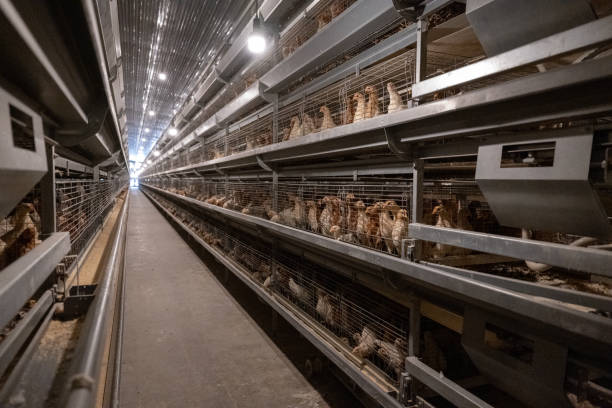
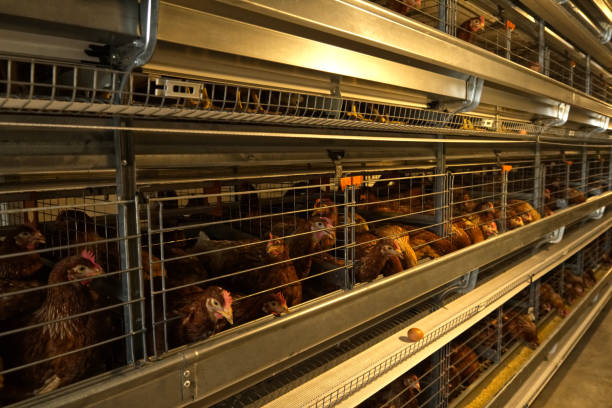
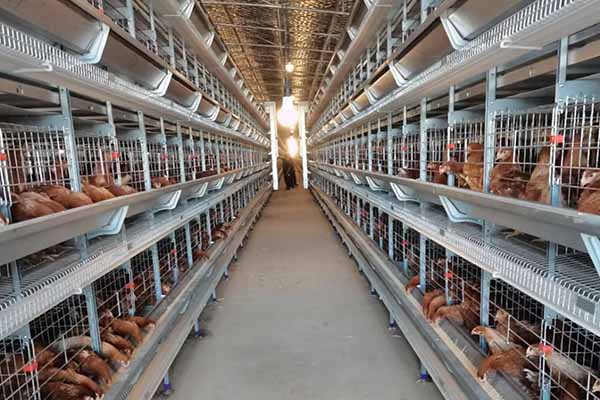
Increased Stocking Density: By housing chickens in multiple tiers, cage systems significantly increase the number of birds that can be raised per unit area.
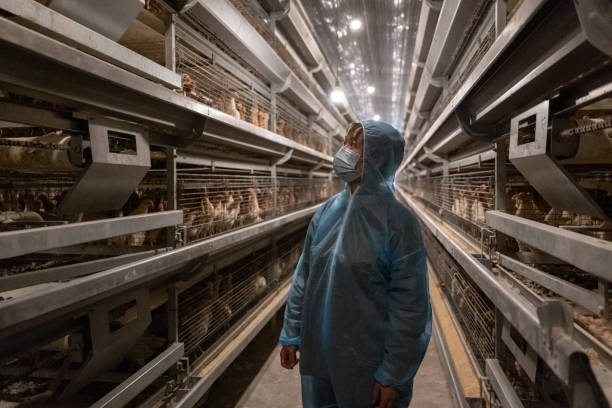
Improved Biosecurity: Cages create a barrier between birds and the ground, reducing the risk of disease transmission from soilborne pathogens.
Enhanced Monitoring: Caged systems allow farmers to easily monitor individual birds for signs of illness or injury, facilitating early intervention and treatment.
Efficient Waste Management: Cages simplify the collection and disposal of manure, reducing odors and minimizing the risk of environmental contamination.
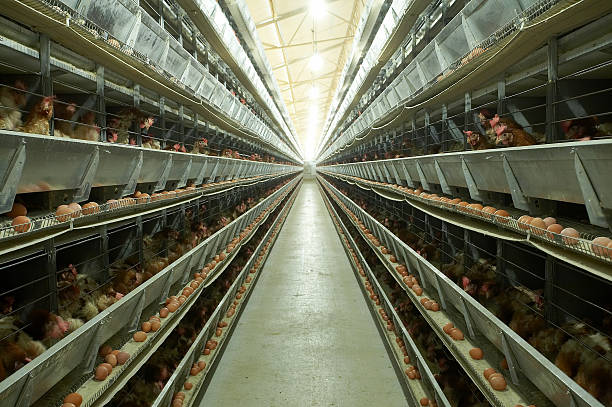
Optimized Egg Collection: In layer systems, cages are designed to facilitate easy egg collection, reducing breakage and improving hygiene.
Types of Space-Saving Chicken Cage Solutions
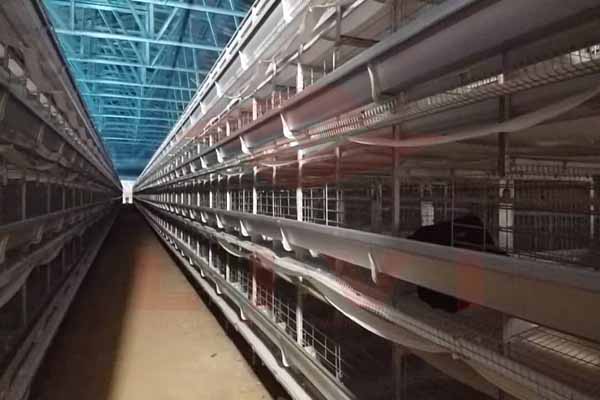
A variety of cage systems are available to suit different farming practices and production goals. The most common types include:
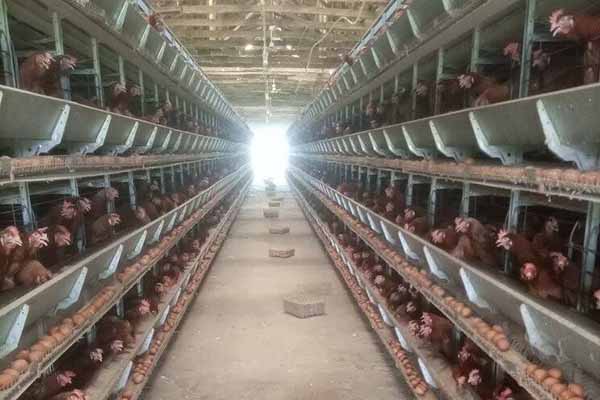
Layer Cages: Designed for egg-laying hens, these cages typically house multiple birds per cage and feature sloped floors that allow eggs to roll forward for easy collection.
A-Frame Cages: These are a traditional design where cages are arranged in an “A” shape, often in multiple tiers. They’re relatively low-cost and easy to maintain, making them popular in smaller operations.
H-Frame Cages: These cages are arranged in a horizontal “H” shape, allowing for efficient use of vertical space. They often incorporate automated features for feeding and waste removal, reducing labor needs.
Vertical Layer Cages: Stacked cages reaching several tiers high, maximizing space utilization. Automated systems handle feeding, watering, and egg collection.
Broiler Cages: Used for raising meat chickens, broiler cages provide a controlled environment that promotes rapid growth and efficient feed conversion.
Flat Deck Cages: Single-tiered cages that are easy to access and manage. They’re suitable for farmers who prefer a more hands-on approach.
Multi-Tier Broiler Cages: Stacked cages that maximize space efficiency. These systems often include automated features for ventilation and waste management.
Pullet Cages: Specifically designed for raising young chickens (pullets) before they start laying eggs. These cages provide a secure environment for pullets to develop and reach their optimal laying potential.
Factors to Consider When Choosing a Chicken Cage System
Selecting the right cage system requires careful consideration of several factors:
Production Goals: Determine whether you’re raising chickens for eggs, meat, or both. Different cage systems are designed to optimize production for specific purposes.
Farm Size: Consider the available land area and the desired stocking density. Choose a cage system that maximizes space utilization without compromising bird welfare.
Climate: Select a cage system that can withstand the local climate conditions. Ensure adequate ventilation, insulation, and temperature control to prevent heat stress or cold stress.
Budget: Cage systems vary in cost depending on their design, materials, and features. Establish a budget and choose a system that provides the best value for your investment.
Labor Availability: Consider the amount of labor required to operate the cage system. Automated systems can reduce labor costs but may require a higher initial investment.
Maintenance Requirements: Choose a cage system that is easy to clean and maintain. Regular maintenance is essential to prevent disease outbreaks.
Bird Welfare: Ensure that the cage system provides adequate space, ventilation, and access to food and water for the birds to thrive. Consider the ethical implications of different caging systems.
Features to Look for in Space-Saving Chicken Cages
When evaluating specific cage systems, look for the following features:
Durable Materials: Cages should be constructed from high-quality materials that can withstand the wear and tear of daily use and resist corrosion. Galvanized steel and stainless steel are common choices.
Adequate Ventilation: Proper ventilation is crucial for maintaining air quality and preventing respiratory diseases. Look for cages with well-designed ventilation systems.
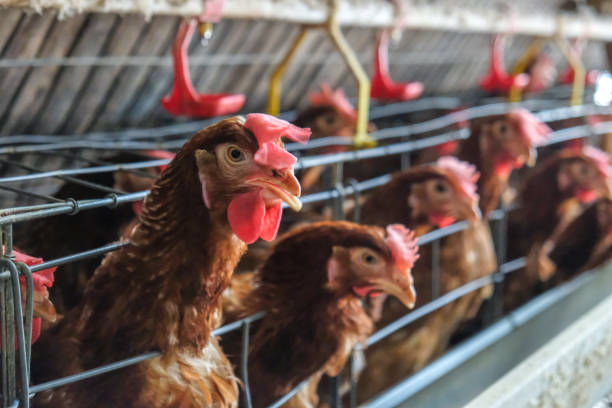
Easy Access to Food and Water: Birds should have easy access to feed and water at all times. Cages should be equipped with automatic feeding and watering systems that are easy to clean and maintain.
Efficient Waste Management: The cage system should facilitate the efficient collection and disposal of manure. Look for cages with sloped floors or manure belts that simplify waste management.
Comfortable Flooring: The flooring should be comfortable for the birds to stand on and prevent foot injuries. Wire mesh floors are commonly used but should be designed to minimize discomfort.
Easy Egg Collection: For layer cages, the design should facilitate easy and hygienic egg collection. Ensure that eggs are protected from breakage and contamination.
Predator Protection: The cage system should provide adequate protection from predators such as rodents, snakes, and wild birds.
The Role of Technology in Optimizing Cage Systems
Technology plays an increasingly important role in optimizing the performance of space-saving chicken cage systems. Some key technological advancements include:
Automated Feeding Systems: These systems deliver precise amounts of feed to each cage, reducing waste and ensuring that birds receive adequate nutrition.
Automated Watering Systems: Automatic nipple drinkers or bell drinkers provide a constant supply of fresh water, reducing the risk of dehydration and disease.
Climate Control Systems: Sophisticated climate control systems regulate temperature, humidity, and ventilation, creating an optimal environment for bird growth and egg production.
Manure Removal Systems: Automated manure belts or scrapers remove manure from the cages, reducing odors and preventing the buildup of harmful bacteria.
Egg Collection Systems: Automated egg collection systems gently transport eggs from the cages to a central collection point, reducing breakage and improving hygiene.
Monitoring and Control Systems: Sensors and data analytics provide real-time information on bird health, environmental conditions, and production performance, allowing farmers to make informed decisions and optimize their operations.
Maintenance Tips for Chicken Cage Systems
Regular maintenance is essential to keep your chicken cage system in good working order and prevent problems. Here are some tips:
Clean Cages Regularly: Remove manure and debris from the cages at least once a week. Use a pressure washer or a brush to clean the cages thoroughly.
Inspect for Damage: Regularly inspect the cages for signs of damage such as broken wires, loose screws, or corroded parts. Repair or replace damaged components promptly.
Maintain Feeding and Watering Systems: Clean and disinfect the feeding and watering systems regularly. Check for leaks or blockages and repair as needed.
Monitor Bird Health: Observe your birds daily for signs of illness or injury. Consult with a veterinarian if you notice any problems.
Control Pests: Implement a pest control program to prevent rodents, insects, and other pests from infesting the cages.
Lubricate Moving Parts: Lubricate moving parts such as hinges and latches regularly to prevent wear and tear.
Follow Manufacturer’s Instructions: Always follow the manufacturer’s instructions for maintenance and repair.
Case Studies: Successful Implementation of Space-Saving Chicken Cages in Africa
Several successful examples demonstrate the benefits of space-saving chicken cages in Africa:
Smallholder Farmers in Kenya: A group of smallholder farmers in Kenya adopted layer cage systems to increase their egg production. The cages enabled them to house more birds in a smaller area, improving their income and livelihoods.
Commercial Poultry Farm in Nigeria: A commercial poultry farm in Nigeria invested in automated broiler cage systems. The cages improved feed conversion rates, reduced mortality rates, and increased overall productivity.
Women’s Cooperative in Uganda: A women’s cooperative in Uganda received training and resources to establish a pullet rearing operation using cage systems. The cages provided a safe and controlled environment for the pullets to develop, improving their laying performance and generating income for the cooperative members.
Conclusion
Space-saving chicken cage solutions offer a practical and effective way to address the challenges of poultry farming in Africa. By increasing stocking density, improving biosecurity, and enhancing monitoring, cage systems can help farmers maximize productivity while minimizing their environmental footprint. When choosing a cage system, consider your production goals, farm size, climate, budget, and labor availability. Look for cages with durable materials, adequate ventilation, easy access to food and water, and efficient waste management. With proper selection, implementation, and maintenance, space-saving chicken cages can contribute to the sustainable growth of the poultry industry in Africa.