The Future of Layer Farming in Pakistan: Automatic Chicken Houses for Scale
The Future of Layer Farming in Pakistan: Automatic Chicken Houses for Scale
Pakistan’s poultry industry is a vital component of its agricultural sector, playing a key role in providing affordable protein to a growing population. Layer farming, in particular, is experiencing increasing demand, driven by rising incomes and changing dietary habits. However, traditional farming methods are struggling to keep pace with this demand, presenting both challenges and opportunities for innovation. The future of layer farming in Pakistan lies in embracing automation, specifically through the adoption of automatic chicken houses designed for scalability and efficiency.
**The Current Landscape of Layer Farming in Pakistan**
Currently, layer farming in Pakistan is characterized by a mix of small-scale, backyard operations and larger commercial farms. Many farmers still rely on manual processes for feeding, watering, and egg collection. This labor-intensive approach limits the scale of production and often results in lower yields and higher operational costs. Disease outbreaks and fluctuating feed prices also pose significant challenges to profitability. The use of outdated infrastructure and a lack of access to modern technologies further contribute to inefficiencies in the sector.
**The Promise of Automatic Chicken Houses**
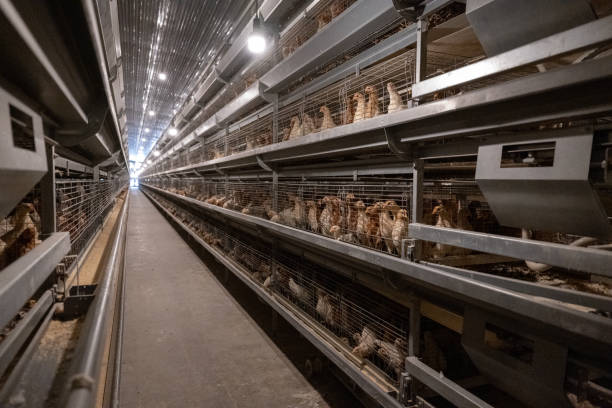
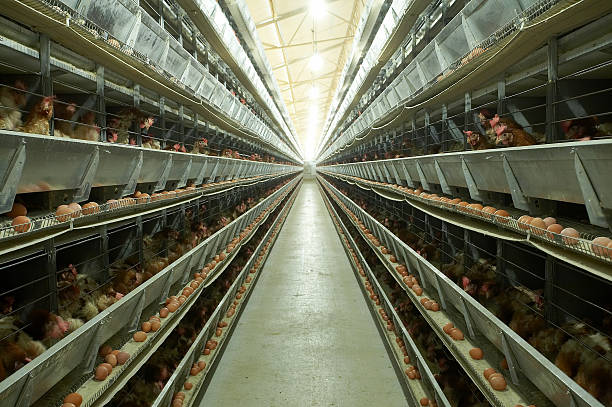
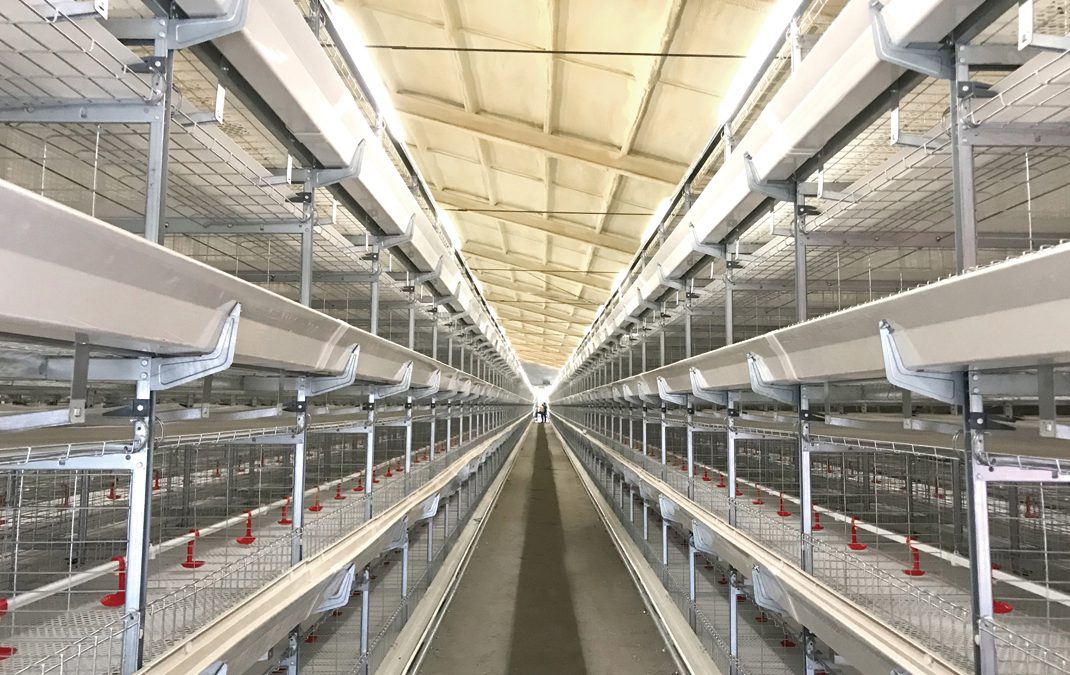
Automatic chicken houses offer a transformative solution to the challenges faced by layer farmers in Pakistan. These houses are equipped with a range of automated systems designed to optimize every aspect of the production process. Key features of automatic chicken houses include:
* **Automated Feeding Systems:** These systems deliver precise amounts of feed to the chickens at predetermined intervals, ensuring optimal nutrition and minimizing waste. This helps to improve feed conversion ratios and reduce feed costs, which can represent a significant portion of total operating expenses.
* **Automated Watering Systems:** Nipple drinkers and other automated watering systems provide a constant supply of clean, fresh water to the birds. This reduces the risk of contamination and ensures that the chickens stay hydrated, which is essential for egg production.
* **Automated Egg Collection Systems:** These systems gently collect eggs from the cages and transport them to a central collection point, minimizing breakage and reducing labor costs. Automated egg collection also improves hygiene by reducing human contact with the eggs.
* **Climate Control Systems:** Maintaining a consistent temperature and humidity level is crucial for optimal egg production. Automatic chicken houses are equipped with ventilation systems, cooling pads, and heating systems to regulate the environment inside the house, regardless of external weather conditions.
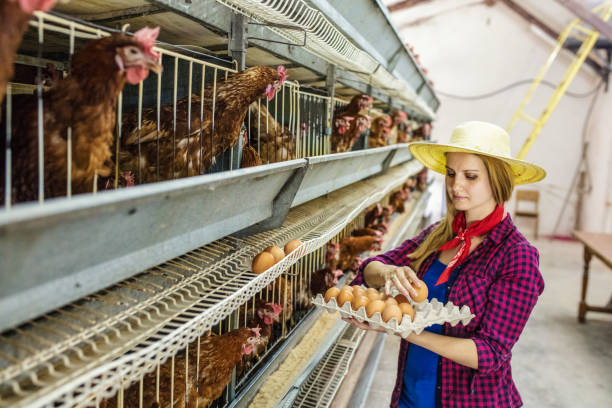
* **Waste Management Systems:** Effective waste management is essential for maintaining a healthy environment for the chickens and preventing the spread of disease. Automatic waste removal systems help to keep the house clean and reduce the risk of ammonia buildup, which can negatively impact bird health.
* **Lighting Control Systems:** Programmable lighting systems simulate natural daylight cycles, which is important for stimulating egg production. These systems can be customized to optimize lighting conditions based on the age and breed of the chickens.
**Benefits of Automatic Chicken Houses for Layer Farmers in Pakistan**
The adoption of automatic chicken houses offers a wide range of benefits for layer farmers in Pakistan, including:
* **Increased Productivity:** Automation leads to higher egg production rates due to improved environmental control, precise feeding and watering, and reduced stress on the birds.
* **Reduced Labor Costs:** Automated systems significantly reduce the need for manual labor, freeing up farmers to focus on other aspects of their business, such as marketing and management.
* **Improved Feed Conversion Ratios:** Automated feeding systems ensure that chickens receive the optimal amount of feed, reducing waste and improving feed conversion ratios.
* **Enhanced Bird Health and Welfare:** Climate control systems, waste management systems, and automated watering systems create a healthier and more comfortable environment for the chickens, reducing the risk of disease and improving overall welfare.
* **Lower Mortality Rates:** Improved biosecurity measures and a more controlled environment lead to lower mortality rates, which can significantly impact profitability.
* **Improved Egg Quality:** Automated egg collection systems minimize breakage and improve hygiene, resulting in higher quality eggs that command a premium price in the market.
* **Scalability:** Automatic chicken houses are designed for scalability, allowing farmers to easily expand their operations to meet growing demand.
* **Data-Driven Decision Making:** Advanced monitoring and control systems provide farmers with real-time data on key performance indicators, such as egg production, feed consumption, and environmental conditions. This data can be used to make informed decisions about management practices and optimize performance.
**Challenges and Considerations**
While the benefits of automatic chicken houses are clear, there are also some challenges and considerations that need to be addressed:
* **Initial Investment Cost:** The initial investment cost of building and equipping an automatic chicken house is significantly higher than that of traditional farming methods. However, the long-term savings in labor costs, feed costs, and reduced mortality rates can offset this initial investment over time.
* **Technical Expertise:** Operating and maintaining automatic chicken houses requires a certain level of technical expertise. Farmers need to be trained on how to use and troubleshoot the automated systems.
* **Access to Financing:** Access to affordable financing is crucial for farmers who want to invest in automatic chicken houses. Government support and private sector investment can play a key role in making these technologies more accessible.
* **Availability of Spare Parts and Technical Support:** It is important to ensure that there is a reliable supply of spare parts and technical support available in Pakistan to maintain the automated systems.
* **Energy Costs:** Automatic chicken houses require a reliable source of electricity to power the automated systems. Farmers need to consider the cost of electricity and explore options for renewable energy sources, such as solar power.
**The Role of Livi Machinery in Transforming Layer Farming in Pakistan**
Livi Machinery is a leading supplier of poultry equipment, specializing in egg-laying chicken cages and broiler chicken cages. We are committed to helping layer farmers in Pakistan embrace automation and improve their productivity. Our solutions are designed to be:
* **Cost-Effective:** We offer a range of affordable automatic chicken house solutions to meet the needs of farmers of all sizes.
* **Durable and Reliable:** Our equipment is made from high-quality materials and is designed to withstand the harsh conditions of the Pakistani climate.
* **Easy to Operate and Maintain:** We provide comprehensive training and support to help farmers operate and maintain our equipment.
* **Customizable:** We can customize our solutions to meet the specific needs of each farmer.
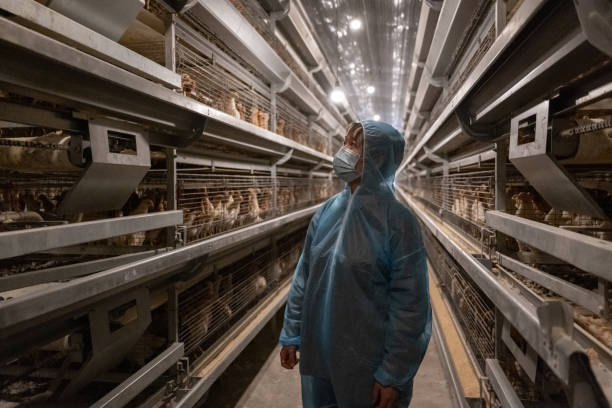
* **Environmentally Friendly:** Our equipment is designed to minimize waste and reduce the environmental impact of layer farming.
We offer a complete range of services, including:
* **Consultation and Design:** We work with farmers to design the optimal automatic chicken house layout for their specific needs.
* **Equipment Supply and Installation:** We supply and install all of the necessary equipment for an automatic chicken house, including cages, feeding systems, watering systems, egg collection systems, climate control systems, and waste management systems.
* **Training and Support:** We provide comprehensive training and support to help farmers operate and maintain our equipment.
* **After-Sales Service:** We offer a range of after-sales services, including maintenance, repair, and spare parts supply.
**Government Initiatives and Support**
The Pakistani government has a role to play in supporting the adoption of automatic chicken houses by layer farmers. This can be achieved through:
* **Financial incentives:** Offering subsidies or low-interest loans to farmers who invest in automatic chicken houses.
* **Technical assistance:** Providing training and support to farmers on how to operate and maintain automatic chicken houses.
* **Research and development:** Investing in research and development to develop innovative and cost-effective poultry technologies.
* **Infrastructure development:** Improving infrastructure, such as roads and electricity grids, to support the growth of the poultry industry.
* **Biosecurity measures:** Implementing strict biosecurity measures to prevent the spread of disease.
**The Future is Automated**
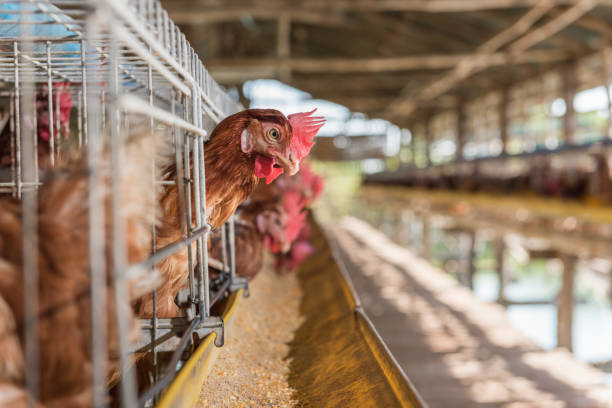
The future of layer farming in Pakistan is undoubtedly linked to the adoption of automatic chicken houses. These technologies offer the potential to significantly increase productivity, reduce costs, improve bird welfare, and enhance the sustainability of the industry. By embracing automation, layer farmers in Pakistan can meet the growing demand for eggs, improve their profitability, and contribute to the economic development of the country. Livi Machinery is committed to partnering with farmers to help them realize this vision. As Pakistan’s poultry industry continues to evolve, the focus on efficiency, scalability, and sustainability will be paramount. Automatic chicken houses represent a critical step towards achieving these goals, ensuring a vibrant and prosperous future for layer farming in Pakistan. The integration of smart technologies and data-driven insights will further optimize operations and enhance the role of layer farming in Pakistan’s food security landscape.