Top Layer Cage Systems for Sale in South Africa: Quality & Efficiency
Top Layer Cage Systems for Sale in South Africa: Quality & Efficiency
South Africa’s poultry industry is a vibrant and crucial sector, feeding the nation and contributing significantly to the economy. To thrive in this competitive landscape, poultry farmers are constantly seeking ways to boost efficiency, improve bird health, and maximize egg production. One of the most effective solutions for achieving these goals is implementing top-quality layer cage systems. This article explores the benefits of top layer cage systems and provides guidance on selecting the best options available in South Africa.
Why Choose Layer Cage Systems?
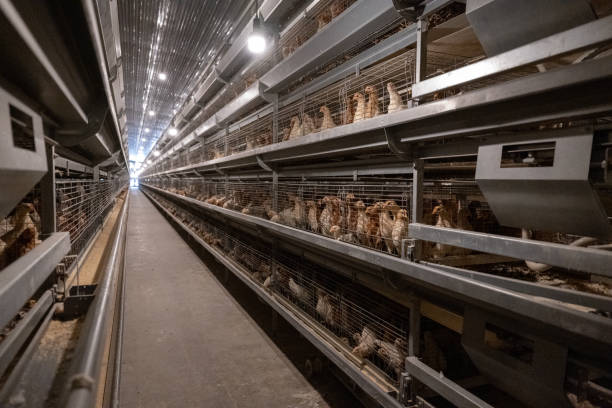
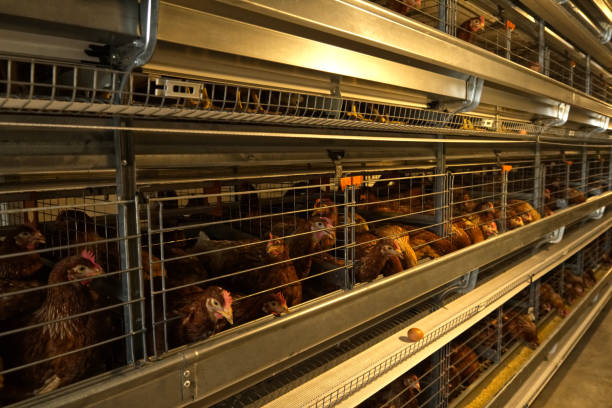
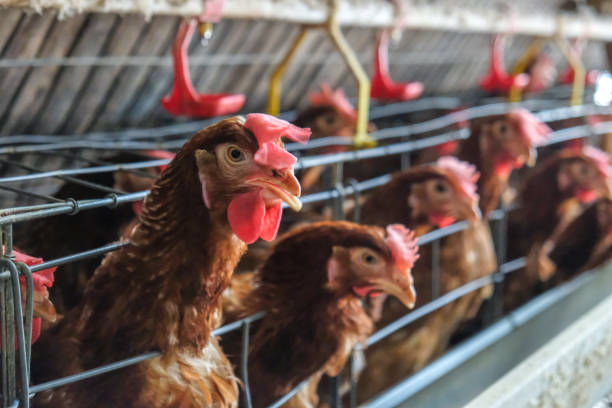
Layer cage systems, also known as battery cages or conventional cages, offer several compelling advantages for poultry farmers:
Increased Space Efficiency: Cages allow for higher stocking densities compared to floor systems, enabling farmers to raise more birds in the same area. This is particularly beneficial for farms with limited land.
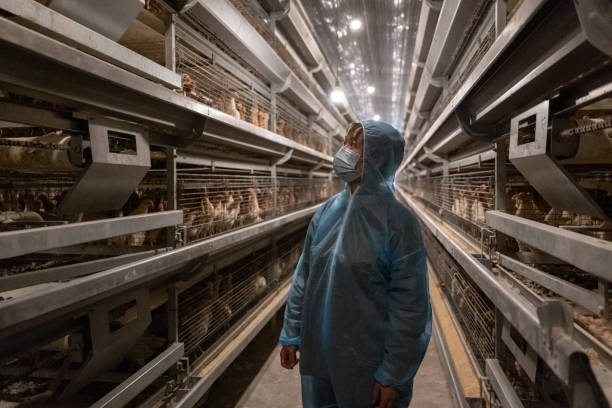
Improved Hygiene and Disease Control: Cages elevate birds above the floor, reducing their contact with manure and minimizing the risk of disease transmission. Regular cleaning and disinfection are also easier to manage in a caged environment.
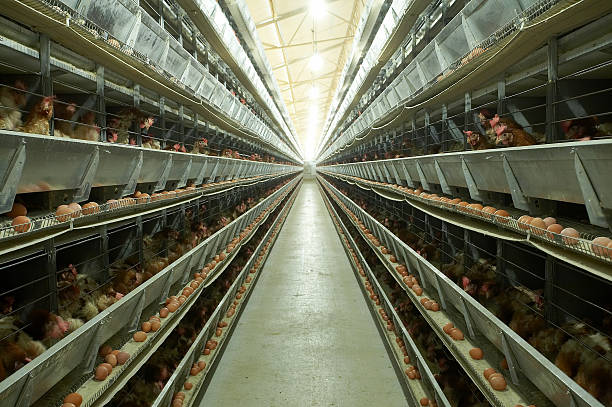
Enhanced Egg Collection Efficiency: Egg collection is streamlined with cages, as eggs roll onto a collection tray or conveyor belt. This reduces egg breakage and labor costs associated with manual collection.
Better Monitoring and Management: Cages facilitate individual bird monitoring, making it easier to identify and address health issues or variations in egg production.
Reduced Feed Wastage: Cages typically include feed troughs that minimize spillage and wastage, leading to significant cost savings over time.
Predator Protection: Cages provide a secure environment, protecting birds from predators such as rodents, snakes, and wild birds that can pose a threat in open floor systems.
Types of Layer Cage Systems Available in South Africa
The South African market offers a variety of layer cage systems to suit different farm sizes, budgets, and production goals. Here are some of the most common types:
A-Frame Cage Systems
A-frame cages are a popular and economical choice for many poultry farmers. They consist of tiered rows of cages arranged in an A-shape.
Advantages:
Cost-Effective: A-frame cages are generally more affordable than other types of cage systems.
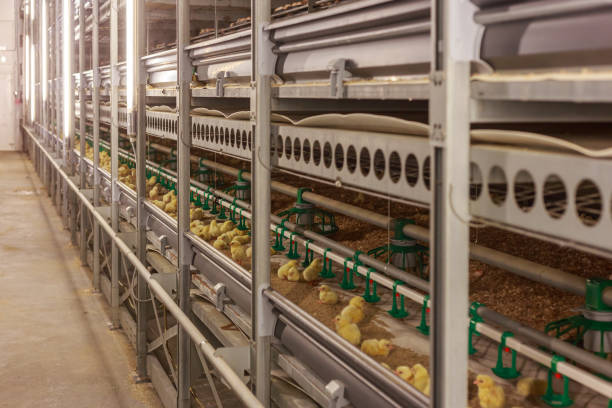
Simple Design: Their straightforward design makes them easy to install, maintain, and repair.
Good Ventilation: The open structure of A-frame cages promotes good air circulation, reducing humidity and ammonia levels.
Disadvantages:
Manual Egg Collection: Most A-frame systems require manual egg collection, which can be labor-intensive for larger flocks.
Limited Automation: Automation options are generally limited compared to other systems.
H-Frame Cage Systems
H-frame cages feature cages stacked vertically in an H-shape, maximizing space utilization.
Advantages:
High Density Housing: H-frame cages allow for the highest possible stocking density, making them ideal for farms with limited space.
Automated Options: Many H-frame systems can be equipped with automated feeding, watering, and egg collection systems.
Improved Manure Management: The design facilitates efficient manure removal, reducing odors and improving hygiene.
Disadvantages:
Higher Initial Investment: H-frame cages are typically more expensive than A-frame systems.
More Complex Installation: Installation requires specialized expertise and equipment.
Potential for Ventilation Issues: Adequate ventilation is crucial in high-density H-frame systems to prevent respiratory problems in birds.
Flat Deck Cage Systems
Flat deck cages feature cages arranged in a single layer, providing easy access to birds for management and inspection.
Advantages:
Easy Monitoring: Farmers can easily observe and inspect birds in flat deck cages.
Good for Small Flocks: Flat deck systems are well-suited for smaller flocks or starter farms.
Simple Management: The single-layer design simplifies management tasks such as feeding, watering, and egg collection.
Disadvantages:
Lower Stocking Density: Flat deck cages offer the lowest stocking density compared to A-frame and H-frame systems.
Higher Land Requirements: More land is needed to accommodate a flat deck system for a given flock size.
Manure Removal Systems
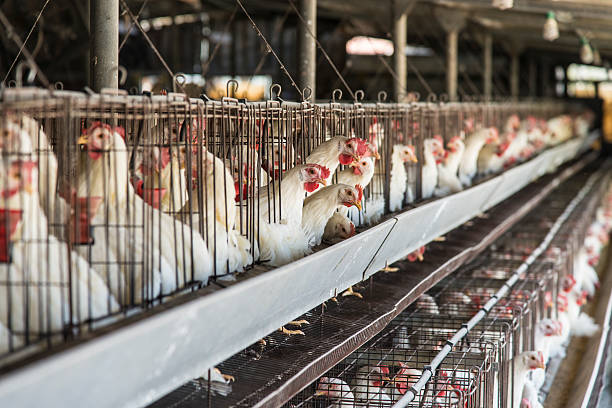
Efficient manure management is a critical aspect of layer cage systems. Several types of manure removal systems are available:
Manual Scraping: This involves manually scraping manure from under the cages. It is the most labor-intensive option but suitable for small farms.
Scraper Systems: Mechanical scrapers automatically remove manure from under the cages, reducing labor costs.
Belt Systems: Manure is collected on belts beneath the cages and transported to a collection point. Belt systems are efficient and hygienic.
Flushing Systems: Manure is flushed away with water, requiring a proper drainage system.
Automated Systems
Automation can significantly reduce labor costs and improve efficiency in layer cage systems. Common automated features include:
Automatic Feeding Systems: These systems deliver feed to the cages at predetermined intervals, ensuring consistent and accurate feed supply.
Automatic Watering Systems: Nipple drinkers or trough watering systems provide birds with constant access to fresh water.
Automatic Egg Collection Systems: Eggs are automatically collected from the cages and transported to a central collection point, reducing egg breakage and labor costs.
Climate Control Systems: These systems regulate temperature, humidity, and ventilation within the poultry house, optimizing bird comfort and performance.
Factors to Consider When Choosing a Layer Cage System
Selecting the right layer cage system requires careful consideration of several factors:
Farm Size and Flock Size: The size of your farm and the number of birds you plan to raise will influence the type and size of cage system you need.
Budget: Cage systems vary in price, so it’s essential to set a budget and choose a system that fits your financial constraints.
Labor Availability: Consider the amount of labor available for managing the system. Automated systems can reduce labor costs but require a higher initial investment.
Climate: The climate in your region can impact the design and features of the cage system. For example, in hot climates, ventilation and cooling systems are crucial.
Building Dimensions: The dimensions of your existing poultry house or the planned building will determine the size and layout of the cage system.
Egg Collection Method: Decide whether you prefer manual or automated egg collection. Automated systems require a higher investment but can significantly reduce labor costs.
Manure Management: Choose a manure removal system that is efficient, hygienic, and meets environmental regulations.
Bird Welfare: Ensure that the cage system provides adequate space, ventilation, and access to feed and water to promote bird welfare.
Supplier Reputation and Support: Select a reputable supplier who offers high-quality products, installation services, and ongoing technical support.
Finding Reliable Layer Cage System Suppliers in South Africa
South Africa has several reputable suppliers of layer cage systems. Here are some tips for finding the right supplier:
Research Online: Search online for layer cage system suppliers in South Africa. Read reviews and compare product offerings.
Attend Poultry Trade Shows: Trade shows are a great opportunity to meet suppliers, see their products in person, and ask questions.
Ask for Referrals: Seek recommendations from other poultry farmers in your area.
Check for Certifications: Ensure that the supplier is certified and complies with industry standards.
Request Quotes: Obtain quotes from multiple suppliers to compare prices and features.
Visit Existing Installations: If possible, visit farms that have installed the supplier’s cage systems to see them in operation.
Inquire About Warranty and Support: Ask about the warranty offered on the cage system and the level of technical support provided.
Maintenance and Management of Layer Cage Systems
Proper maintenance and management are essential for maximizing the lifespan and performance of your layer cage system. Here are some key practices:
Regular Cleaning: Clean the cages regularly to remove manure, feathers, and spilled feed.
Disinfection: Disinfect the cages periodically to prevent the spread of disease.
Inspect for Damage: Regularly inspect the cages for damage and make repairs promptly.
Maintain Equipment: Keep automated equipment such as feeders, waterers, and egg collection systems in good working order.
Monitor Bird Health: Regularly monitor bird health and address any health issues promptly.
Provide Adequate Ventilation: Ensure adequate ventilation to maintain air quality and prevent respiratory problems.
Control Pests: Implement a pest control program to prevent infestations of rodents, insects, and other pests.
Follow Manufacturer’s Recommendations: Follow the manufacturer’s recommendations for maintenance and operation of the cage system.
Keep Records: Maintain records of egg production, feed consumption, mortality, and other relevant data to track performance and identify areas for improvement.
The Future of Layer Cage Systems in South Africa
The poultry industry in South Africa is constantly evolving, and layer cage systems are adapting to meet new challenges and opportunities. Some trends to watch include:
Increased Automation: Automated systems are becoming more sophisticated and affordable, making them accessible to a wider range of farmers.
Improved Bird Welfare: There is growing emphasis on bird welfare, leading to the development of enriched cage systems that provide more space and amenities for birds.
Sustainable Practices: Farmers are increasingly adopting sustainable practices, such as using renewable energy sources and implementing efficient manure management systems.
Data-Driven Management: Data analytics is being used to optimize egg production, improve bird health, and reduce costs.
Integration with Other Technologies: Layer cage systems are being integrated with other technologies such as sensors, cameras, and artificial intelligence to create smart poultry farms.
By investing in top-quality layer cage systems and implementing best management practices, South African poultry farmers can enhance efficiency, improve bird health, and maximize egg production, ensuring a sustainable and profitable future for their businesses.
In conclusion, choosing the right layer cage system is a critical decision for poultry farmers in South Africa. By carefully considering the factors outlined in this article and selecting a reputable supplier, farmers can invest in a system that meets their specific needs and helps them achieve their production goals. With proper maintenance and management, a well-chosen layer cage system can provide years of reliable service and contribute to the success of their poultry farming operation.