Automatic Layer Poultry Farm Design in Nigeria for 20,000 Layers
**Automatic Layer Poultry Farm Design in Nigeria for 20,000 Layers**
When it comes to commercial egg production in Nigeria, one of the most efficient and profitable models is an automated layer poultry farm. As the demand for eggs continues to rise across urban and rural areas, farmers are increasingly exploring large-scale, mechanized ways of managing their flocks. In this article, we’ll walk you through a comprehensive design and strategy for setting up a modern, automatic layer poultry farm in Nigeria with a capacity of 20,000 laying hens.
### **Why Go Automatic?**
Before diving into the design, it’s important to understand why automation is critical for layer farming in Nigeria. Manual systems can work for small-scale operations, but when you’re managing 20,000 birds or more, automation becomes not just a luxury but a necessity.
Automatic systems provide:
– Efficient feeding and watering
– Consistent manure removal
– Better temperature and ventilation control
– Higher biosecurity
– Reduced labor costs
– Improved egg collection and management
These advantages lead directly to increased productivity, better flock health, higher egg quality, and reduced operational stress.
—
## **Step 1: Selecting the Right Location**
The success of any large-scale poultry operation begins with proper site selection. Here’s what to consider when choosing a location for your 20,000-layer farm:
– **Zoning and Legal Permits**: Ensure the area is zoned for agricultural or industrial use. Check local laws, land use permits, and environmental regulations.
– **Accessibility**: The farm should be accessible by road for easy delivery of feed, supplies, and egg transportation.
– **Water and Electricity**: Reliable access to clean water and electricity is a must. Consider installing a borehole and backup generator.
– **Drainage and Topography**: Avoid areas prone to flooding. Choose gently sloped land for proper surface run-off.
– **Distance from Residences**: Maintain a safe distance from residential areas—usually at least 1 km—to reduce the risk of disease spread and odor complaints.
– **Security**: Choose a site with strong natural boundaries or that can be fenced easily.
—
## **Step 2: Choosing the Right Housing System**
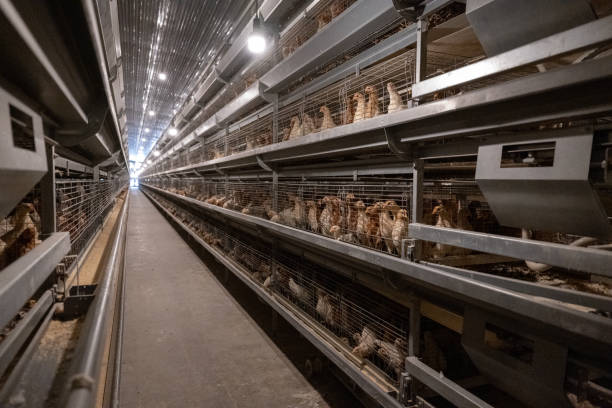
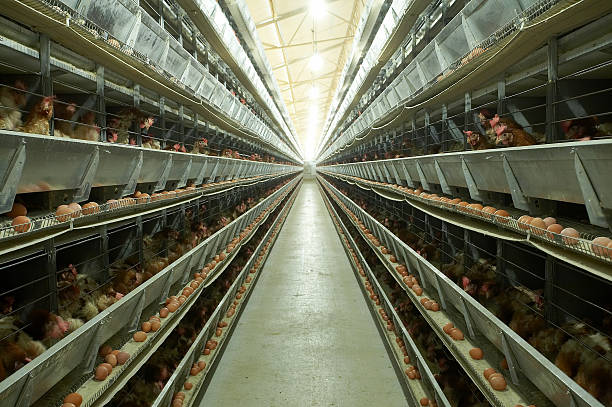
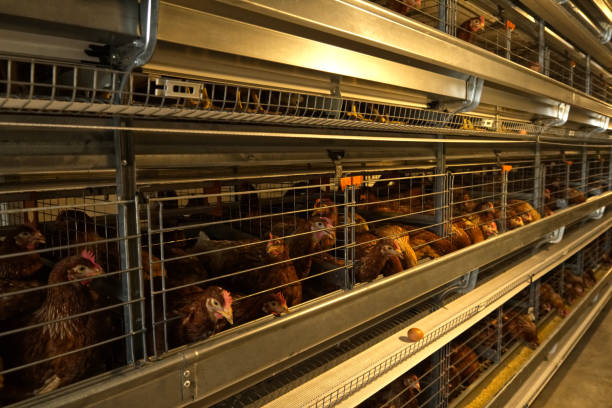
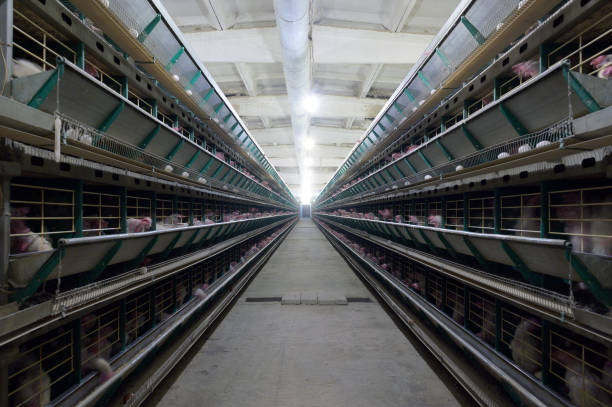
For a 20,000-layer farm, automatic cage systems are the most popular and efficient. Among the types of cage systems, **three-tier or four-tier A-frame cage systems** are preferred for their ease of use, high stocking capacity, and integration capabilities.
### **Advantages of Cage Systems:**
– Maximum use of floor space
– Easy to clean and maintain
– Lower disease transmission risk
– Integrated feeding and manure removal systems
– Simplified egg collection
With automatic cage systems, tasks like feeding, water supply, manure removal, and egg collection are all handled by machines, reducing the need for manual labor.
—
## **Step 3: Farm Structure and Building Design**
For a 20,000-layer farm, you’ll typically need a shed or multiple sheds that accommodate 5,000 to 10,000 birds each. Here are the key elements to consider when designing your poultry house:
### **Shed Dimensions:**
– Length: Around 90 to 100 meters
– Width: 14 to 16 meters
– Height: 3 to 4 meters (for proper air circulation)
– Ventilation: Cross-ventilation system using fans, cooling pads (for hot climates), and adjustable side curtains.
### **Building Materials:**
– Roof: Galvanized iron or aluminum sheets
– Walls: Asbestos sheets or aluminum with polyfilm curtains
– Floor: Concrete (raised or ground-level with proper drainage)
– Insulation: Optional in tropical climates but may help in managing temperature extremes
### **Layout Plan:**
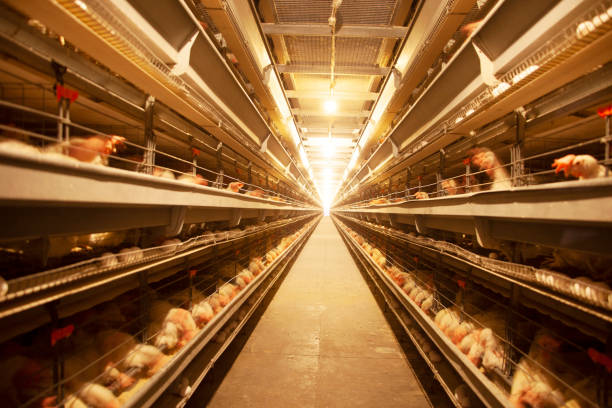
Divide the shed into sections for:
– Feed storage
– Breeder office and egg room
– Mortality pit or incinerator
– Generator room
– Worker amenities (toilets, rest area)
Make sure the cages are aligned properly to optimize space, and there’s enough clearance between rows for movement and service access.
—
## **Step 4: Automatic Layer Cage System**
The most essential part of your automatic layer farm is the **layer cage system**. When setting up the cages, keep in mind:
– **Cage Size for Birds**: Each laying hen requires around 550–600 cm² of space.
– **Tier Arrangement**: Three or four-tier systems are most common.
– **Feeding System**: Chain feeding or auger feeding systems work well.
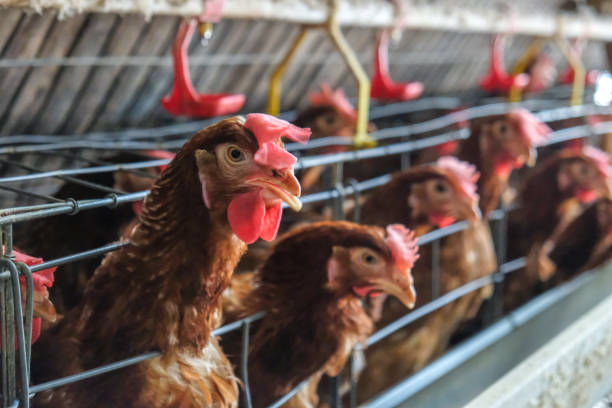
– **Drinking System**: Nipple drinkers are preferred for hygiene and water conservation.
– **Manure Removal**: Belt conveyors or scraper systems
– **Egg Collection**: Egg belt system that transports eggs to a central collection area
Make sure all systems are installed correctly and tested thoroughly before bird placement.
—
## **Step 5: Supporting Equipment and Facilities**
Alongside the layer cage systems, several other components are required to run a fully functional automatic farm.
### **Ventilation Systems:**
Proper ventilation is crucial to maintain bird health and comfort, especially in Nigeria’s heat. Use a combination of:
– **Tunnel ventilation**: Fans at one end pulling fresh air through cooling pads on the opposite end
– **Cross ventilation**: Fans on the sides drawing air across the house
– **Thermostatic controls**: Automatic switches based on temperature thresholds
### **Feeding System:**
An **automatic feeding system** includes:
– Central silos to store feed
– Chain conveyor systems or augers to transport feed to the troughs
– Timers to control feeding schedules
### **Drinking System:**
Nipple drinkers connected to automatic water lines with filters and pressure regulators ensure a continuous supply of clean water.
### **Manure Removal System:**
Scrapers or conveyor belts placed underneath each tier of cages collect manure and remove it from the house daily, reducing odor and disease risk.
### **Egg Collection System:**
Conveyors collect eggs from each cage and transport them to a central packing area, reducing human contact and minimizing breakage.
### **Egg Room and Grading Area:**
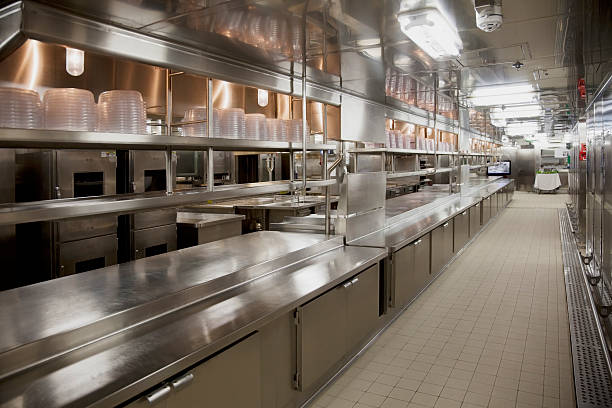
Dedicate a clean, cool room for egg sorting, grading, packaging, and storage before sale. Install egg graders, washing equipment, and refrigeration units if needed.
—
## **Step 6: Sourcing Breeds and Chicks**
Choosing the right breed of laying hens is vital for farm productivity. In Nigeria, the most popular breeds are:
– **Hy-Line Brown**
– **Lohmann Brown**
– **Novogen Brown**
– **Bovans Nera**
These breeds are known for high egg production (280–320 eggs per bird annually), disease resistance, and excellent feed conversion ratios.
Work with reputable hatcheries that supply day-old chicks with proper vaccination records. Always insist on health certificates and avoid buying from unregulated markets to reduce disease risk.
—
## **Step 7: Biosecurity Measures**
Disease prevention is critical in large farms. A single disease outbreak can wipe out your entire flock. Implement strict biosecurity protocols:
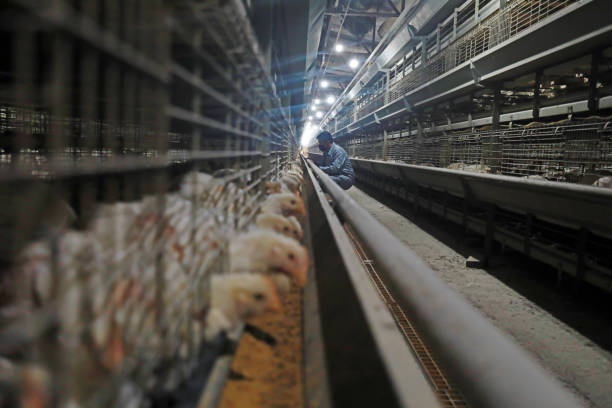
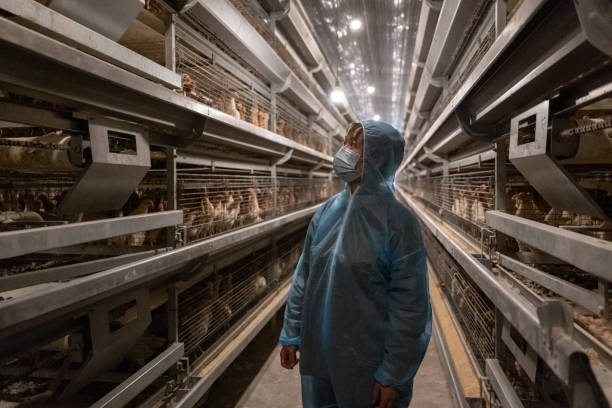
– **Controlled Access**: Only authorized personnel should enter the farm.
– **Disinfection Points**: Install footbaths and hand sanitizing stations at entry points.
– **Protective Gear**: Workers must wear coveralls, gloves, and boots inside the poultry house.
– **Quarantine Area**: Set up a quarantine for new birds before introducing them to the main flock.
– **Regular Cleaning**: Schedule regular cleaning and disinfection cycles.
– **Vaccination Schedule**: Follow a strict vaccination and deworming regime.
Work with a qualified veterinarian to develop a biosecurity and flock health plan tailored to your region.
—
## **Step 8: Feed and Nutrition Management**
Nutrition plays a major role in egg production. Laying hens require a balanced diet with the right amounts of proteins, carbohydrates, fats, vitamins, and minerals.
### **Feed Stages:**
1. **Starter Feed (0–6 weeks)**: High in protein for early growth
2. **Grower Feed (6–18 weeks)**: Balanced nutrients for body development
3. **Layer Feed (18 weeks onwards)**: High calcium, phosphorus, and other minerals for eggshell development
You may either source feed from a commercial mill or consider setting up your own feedmill as the operation expands. Always store feed in a dry, rodent-proof area to avoid contamination.
—
## **Step 9: Labor and Management Team**
While automation reduces the need for labor, you’ll still need a small but skilled team to manage day-to-day operations:
– **Farm Manager**: Oversees the entire operation, coordinates staff, and manages records.
– **Veterinary Assistant**: Handles health checks, vaccinations, and disease management.
– **Caretakers/Operators**: Perform daily checks, feeding, egg collecting, and cleaning.
– **Electrician/Mechanic**: For routine maintenance and troubleshooting of automatic systems.
Training your team in poultry management, biosecurity, and equipment handling is essential.
—
## **Step 10: Financial Planning and Profitability Analysis**
Let’s briefly look at an overview of the financial aspects of setting up a 20,000-layer farm in Nigeria.
### **Capital Costs Include:**
– Land and construction (₦8 – 15 million)
– Automatic layer cages and equipment (₦25 – 35 million)
– Chicks (about 20,000 @ ₦1,500 = ₦30 million)
– Feed (first 5 months supply = ₦50 – 60 million)
– Vaccines, drugs, and bedding (₦5 – 7 million)
– Labor and training (₦5 million)
– Other logistics and overheads (₦5 million)
Approximate Total Investment: **₦140 – ₦170 million**
### **Monthly Operating Costs:**
– Feed: ₦40 – 50 million/month
– Labor: ₦2 – 3 million
– Utilities (electricity, water): ₦1 – 2 million
– Vaccines/drugs/manure disposal: ₦1.5 – 2.5 million
### **Revenue Projections:**
Assuming a 90% laying rate with 20,000 birds:
– Daily eggs: 18,000
– Monthly eggs: ~540,000
– Selling at ₦25 per egg: ₦13.5 million/month
– Additional income from spent birds: ₦1 – 2 million at the end of the laying cycle
Depending on feed prices and egg prices, profitability can be achieved within 6–12 months after the hens start laying.
—
## **Challenges and How to Overcome Them**
Large-scale poultry farming in Nigeria comes with its own set of challenges:
– **Power Supply**: Install a reliable inverter/generator set
– **High Feed Prices**: Consider forming cooperatives or bulk purchasing
– **Disease Outbreaks**: Maintain strict biosecurity and work with vets
– **Egg Spoilage**: Ensure fast transportation and egg room refrigeration
– **Security Threats**: Hire local watchmen or install CCTV
—
## **Long-Term Expansion and Sustainability**
Once your 20,000-layer farm is running smoothly and generating consistent income, you can look into:
– Adding more poultry houses
– Integrating a hatchery
– Setting up a feed mill
– Developing your own egg brand
– Contract farming with supermarkets and distributors
—
## **Conclusion**
Setting up an **automatic layer poultry farm in Nigeria for 20,000 layers** is a significant undertaking that requires substantial investment, technical knowledge, and effective management. However, when planned and executed properly, such a project offers high returns and a reliable long-term income stream. This model of farming is not only sustainable but scalable, positioning Nigerian poultry farmers to meet the growing demand for eggs in a professional, hygienic, and economically viable way.
If you’re a serious investor or farmer looking to venture into commercial egg production, consider partnering with a trusted poultry equipment provider like **Livi Machinery**, which specializes in designing and supplying modern, efficient layer cage systems tailored for farms of all sizes, including large-scale 20,000 birds setups.
Whether you’re starting from scratch or upgrading your existing farm, automation is the future of poultry farming—and now is the perfect time to get started.