Designing a High-Efficiency Layer Farm in Nigeria with 20,000 Capacity
**Designing a High-Efficiency Layer Farm in Nigeria with 20,000 Capacity**
Setting up a modern, high-efficiency layer farm in Nigeria with a 20,000-bird capacity is a major agricultural investment that requires thoughtful planning and strategic design. With Nigeria’s growing population and rising demand for eggs and poultry products, now is an ideal time to enter the layer farming business. However, managing such a large-scale farm successfully hinges on a well-thought-out layout, the right infrastructure, and the use of high-quality equipment like layer cages, ventilation systems, feeding, and manure management solutions.
This article will guide you through the step-by-step process of designing a successful 20,000-layer farm tailored to the Nigerian climate, market conditions, and farming practices. Whether you’re a startup or a veteran in the industry, these insights will help ensure your farm runs efficiently and profitably.
—
### Understanding the Basics of Layer Farming
Before diving into the detailed design, it’s crucial to understand the core principles of layer farming. Layers are chickens bred specifically for their egg-laying abilities. Unlike broilers that are raised for meat, layers are managed for long-term productivity—typically producing eggs for 60 to 72 weeks after they start laying (around 18–20 weeks of age). Managing 20,000 laying hens requires precision in housing, feeding, health monitoring, waste disposal, and marketing of eggs.
A well-designed farm doesn’t just look good on paper—it translates into lower labor costs, better biosecurity, consistent egg output, and higher overall profitability.
—
### Choosing the Right Location
Location plays a foundational role in the success of your layer farm. For a 20,000-bird capacity farm, the ideal location should be:
– **Near major urban or industrial areas** to reduce transportation costs and time-to-market.
– **Far enough from residential areas** to comply with local zoning laws and maintain hygiene.
– **Easily accessible via road** for the logistics of feed, eggs, and veterinary care.
– **Elevated ground** to prevent flooding and improve drainage.
– **Near a reliable water source** that meets quality standards for livestock use.
– **Well-connected to grid electricity** or has access to a stable alternative power source.
Choosing a farm site near Ogun, Oyo, or Delta states—regions known for their poultry-friendly ecosystems—could offer logistical and environmental advantages.
—
### Farm Layout Design
A farm layout with 20,000 birds needs to be designed for ease of management, biosecurity, worker safety, and bird welfare. You can’t just put all 20,000 birds in one space. Strategic compartmentalization is key.
#### Main Farm Components
1. **Chicken Houses (Sheds)** – These are where the birds spend most of their life. For 20,000 hens, consider building:
– Two or more sheds with 10,000 birds each.
– Each shed should have dimensions of around 100 meters by 12–14 meters, depending on cage layout.
– Good ventilation and proper insulation are crucial to maintaining bird health in Nigeria’s tropical climate.
2. **Feed Storage and Mixing Facility** – A central storage unit for raw ingredients and pre-mixed poultry feed, with separate sections for maize, soya, and supplements. Keep it covered, dry, and rodent-proof.
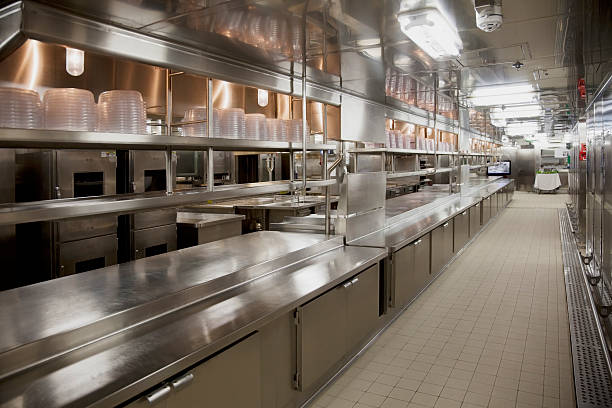
3. **Egg Collection and Processing Area** – After being laid, eggs need to be collected quickly, cleaned, and stored properly. This area includes egg washing, grading, and packaging equipment.
4. **Veterinary and Treatment Area** – Isolation and treatment space for sick or injured hens to protect the rest of the flock.
5. **Manure Management Area** – Manure should be processed separately to reduce odor and disease risk and can be converted into organic fertilizer, adding a revenue stream.
6. **Staff Facilities** – Living quarters, changing rooms, and kitchen areas for farm workers.
The overall farm compound should be surrounded by a sturdy fence or wall to enhance biosecurity and prevent predator intrusion.
—
### Choosing the Right Cage System
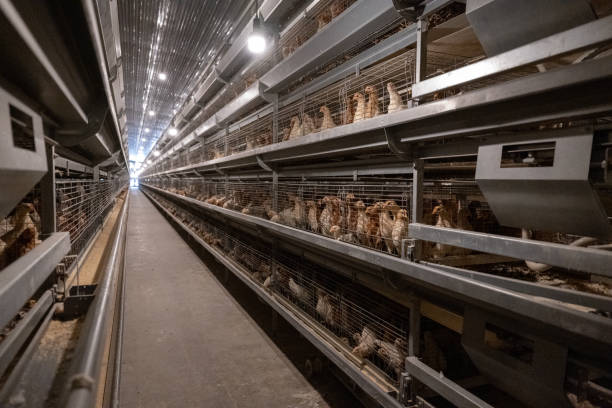
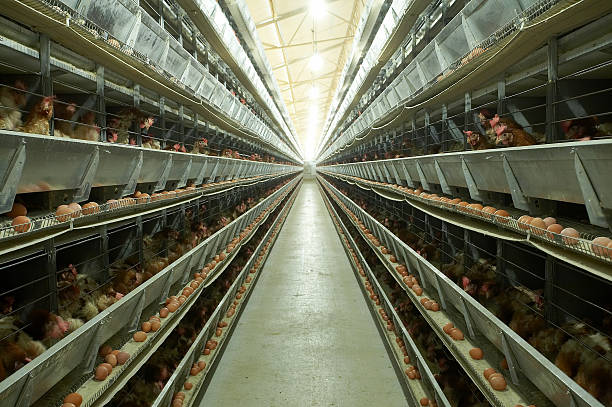
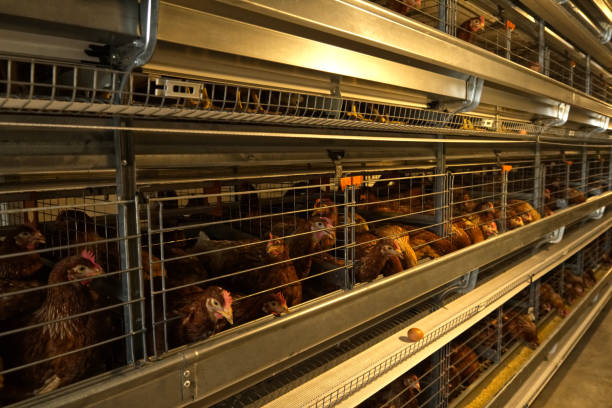
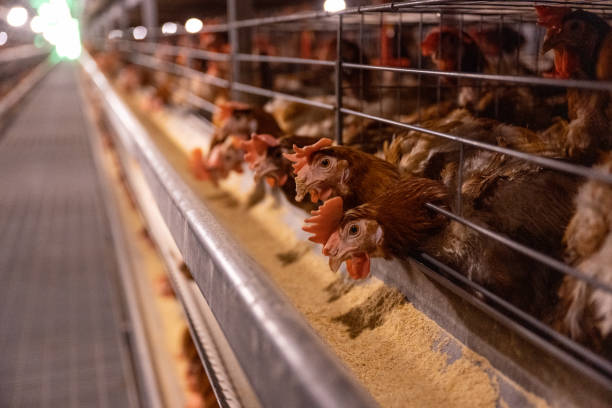
For a high-efficiency farm with 20,000 layers, traditional floor systems or free-range housing are neither economical nor manageable. The best option is to use **automated poultry cages** designed for layer operations.
Layer cages, like those from Livi Machinery, allow for:
– **Higher stocking densities without overcrowding.**
– **Cleaner eggs** and reduced floor contamination.
– **Easier manure collection and disposal.**
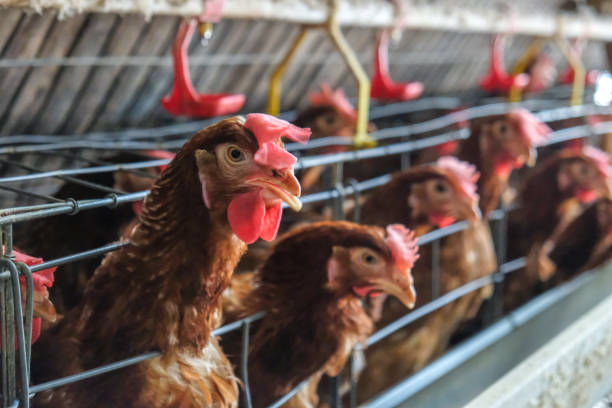
– **Automated feeding and watering systems** improving efficiency and reducing labor input.
Each cage tier should be made of hot-dip galvanized wire to provide optimal corrosion resistance, ensuring longevity even in Nigeria’s humid conditions. The cages should be grouped into sections with walkways for staff access.
For your 20,000-bird operation, you can opt for 4- or 5-tier cage systems. Each cage holds 4–6 birds, depending on breed size and comfort.
—
### Essential Equipment and Systems
To keep your farm running efficiently, several critical equipment and automation systems need to be installed.
#### 1. Automated Feeding System
Manual feeding at this scale is impractical. Opt for chain feeding or pan feeding systems that ensure every bird gets the right amount of feed on time. This increases uniformity in egg production and helps manage feed costs.
#### 2. Drinking Water System
Use a multi-line nipple drinking system that allows birds to drink freely while minimizing water spillage and contamination. Regular monitoring and cleaning are necessary to avoid clogging or waterborne diseases.
#### 3. Ventilation System
Proper ventilation is a non-negotiable factor, especially in Nigeria’s hot climate. Without proper airflow, birds can suffer from heat stress, decreased feed intake, and poor eggshell quality.
An effective ventilation strategy includes:
– **Tunnel ventilation** using fans and cooling pads to regulate temperature in the sheds.
– Side openings with adjustable curtains for cross ventilation.
– Temperature control sensors to monitor and regulate the shed environment.
#### 4. Manure Removal System
Livi Machinery offers both manual and automated manure removal systems. For a large farm, an automated scraper system is recommended. This ensures continuous waste removal, lowering ammonia levels and helping curb disease spread.
#### 5. Lighting System
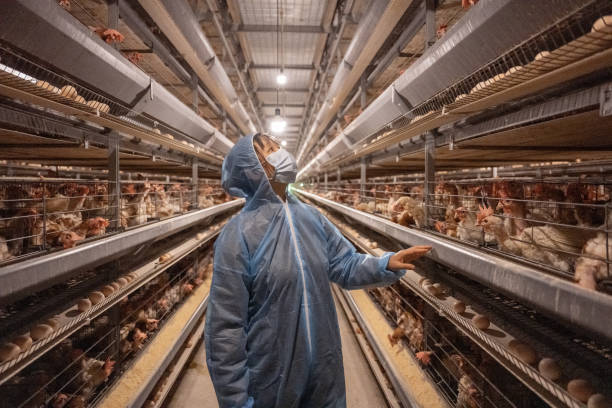
Light is a crucial element in stimulating consistent egg laying. Install a combination of natural and artificial lighting systems with timers. Layers need about 16 hours of light daily during their laying period.
Use energy-efficient LED lights with a programmable timer system. Lighting programs can be adjusted as the birds grow and start laying eggs.
—
### Biosecurity Practices
One of the most overlooked yet important aspects of large-scale poultry farming is **biosecurity**. The risk of disease outbreaks like avian influenza, Newcastle disease, or coccidiosis is much higher when operating with 20,000 birds.
Key biosecurity measures:
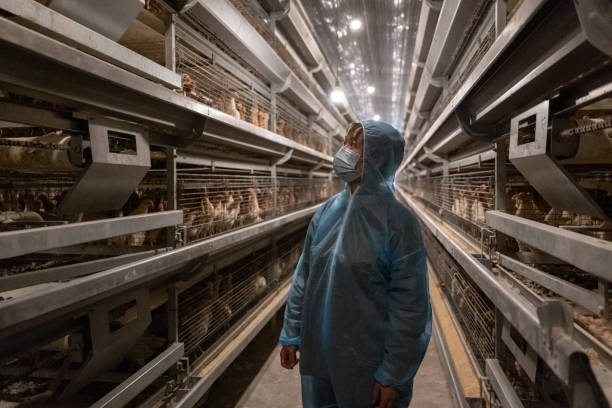
– Set up a strict **“clean-in, clean-out” protocol** for all personnel.
– Install **footbaths and disinfectants** at entry points.
– Limit **outside visitors** and control movement of vehicles and equipment.
– Maintain **vaccination schedules** based on the advice of a qualified vet.
– Establish **quarantine units** for new birds before introducing them to the flock.
The use of cage systems inherently improves biosecurity by keeping birds separate from their waste and reducing direct contact between birds.
—
### Stocking and Managing the Birds
Once your farm is built, you need to stock it with healthy day-old chicks (DOCs). Source your stock from reputable hatcheries. Popular layer breeds in Nigeria include:
– **Hy-Line Brown**
– **Lohmann Brown**
– **Bovan Brown**
– **ISA Brown**
These breeds are known for high egg production, resilience, and consistency over long periods.
From brooding to laying, the management of these birds changes at each phase:
#### Brooding Stage (Weeks 1–8)
– Maintain an optimum temperature (around 32°C for the first week, decreasing by 3°C every week).
– Use **high-energy brooding feed**.
– Vaccinate against common diseases like Gumboro, Marek’s, and Newcastle.
#### Growing Stage (Weeks 9–20)
– Gradually reduce protein in feed.
– Implement a proper **lighting schedule**.
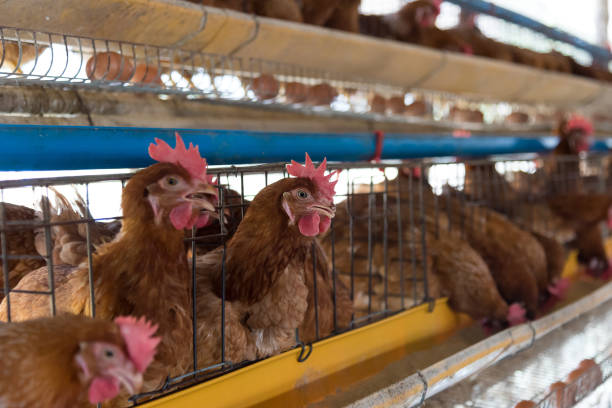
– Monitor weight and uniformity to ensure they mature properly.
#### Laying Stage (Weeks 20+)
– Provide layer feed with sufficient calcium and phosphorus for shell development.
– Collect eggs at least **twice a day** to ensure freshness and reduce breakage.
– Regularly check for **abnormal behavior**, egg quality issues, or health problems.
—
### Egg Processing and Marketing
Your profitability is directly tied not just to egg production, but also how quickly and efficiently you can get eggs to the market. Post-harvest handling is often neglected by small to medium-scale farmers, which affects egg quality and shelf life.
#### Egg Handling Procedure
– **Collection:** Ensure eggs are collected early in the morning and afternoon.
– **Washing:** Use disinfectant egg wash to remove dirt and bacteria.
– **Grading and Sorting:** Separate eggs by size (large, medium, or small) and quality (cracked vs intact).
– **Packaging:** Use clean, stackable egg trays with ventilation holes.
– **Storage:** Store eggs in a cool, dry room until ready for sale. If you’re far from the market, invest in a cold storage facility or refrigerator.
#### Sales Channels
To maximize profits, consider multiple销售渠道:
– **Wholesale to hotels, restaurants, supermarkets, and schools**
– **Direct sales from the farm or via a collection point**
– **Online sales via social media or delivery apps**
– **Cooperatives or group sales with neighboring farms**
Developing a brand name and maintaining consistent quality can help you secure loyal customers and negotiate better prices.
—
### Financial Planning and Budgeting
A 20,000-layer farm is a substantial investment. It’s vital to project initial setup costs, recurring expenses, and expected revenue.
#### Initial Setup Costs
These include:
– **Land acquisition and site clearing**
– **Constructions of sheds and infrastructure**
– **Cage systems and automated equipment**
– **Purchase of DOCs and vaccines**
– **Egg processing and cold storage setup**
#### Monthly Operating Costs
These include:
– **Feed (major expense)**
– **Vaccines and veterinary expenses**
– **Labor and maintenance**
– **Electricity and water**
– **Transportation and marketing**
#### Revenue Streams
– **Egg sales**
– **Manure sale to crop farmers**
– **Spent layer hen meat after laying stage ends**
– **Possible by-products like eggshell powder or value-added products**
With proper setup and management, a 20,000-layer farm can yield daily harvests of over 15,000 eggs, translating into stable cash flow and returns on investment within 8 to 12 months of operation.
—
### Final Thoughts
Designing a high-efficiency layer farm in Nigeria with 20,000 birds is no small task, but with careful planning, modern equipment, and proven management practices, it’s entirely achievable. The poultry industry is a dynamic and rewarding field, especially when supported by technology like automated layer cages and ventilation systems from trusted providers like Livi Machinery.
Whether you’re scaling up from a smaller operation or starting fresh, success in layer farming comes from attention to detail, strong biosecurity measures, and a commitment to continuous improvement. The Nigerian market is hungry—not just for food—but for entrepreneurs who understand quality production and smart resource management.
With the rising demand for poultry products and increasing urbanization, your 20,000-layer farm can become a profitable business, feeding families and contributing to national food security. If you’re ready to take your poultry game to the next level, now is the time to build—and build smart.