Automatic Poultry Cage Price Guide for African Farmers
Automatic Poultry Cage Price Guide for African Farmers
Poultry farming in Africa is a rapidly growing sector, offering significant opportunities for economic empowerment and food security. As farmers look to scale up their operations, automation becomes increasingly vital. Automatic poultry cages are a cornerstone of modern poultry farming, offering significant advantages in terms of efficiency, bird health, and overall productivity. However, understanding the pricing structure of these systems is crucial for making informed investment decisions. This guide will provide African farmers with a comprehensive overview of automatic poultry cage prices, the factors that influence them, and tips for choosing the best system for their needs.
Understanding the Basics of Automatic Poultry Cages
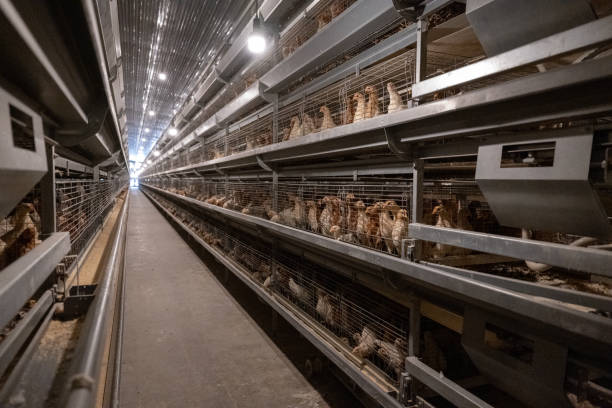
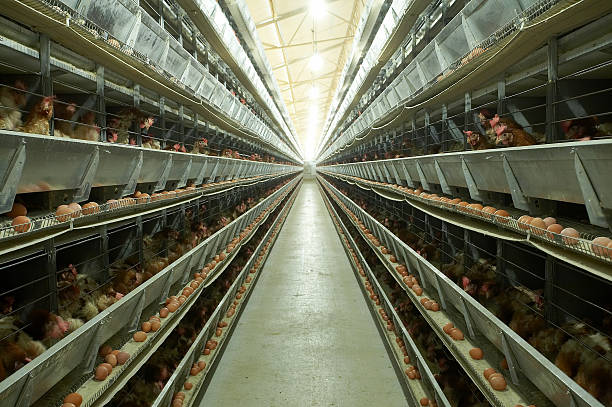
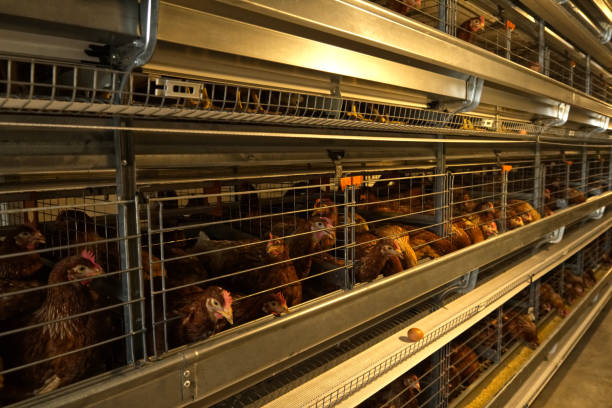
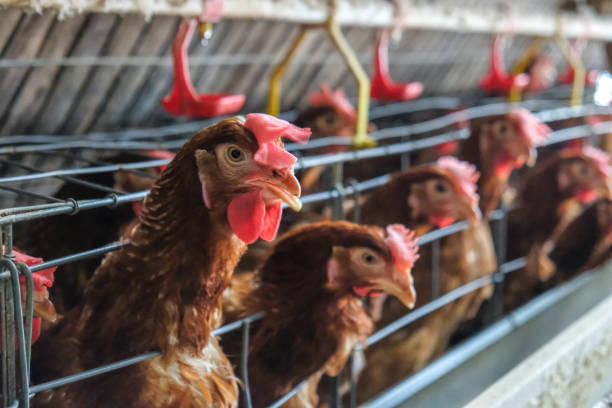
Before diving into the price guide, it’s essential to understand what automatic poultry cages are and the benefits they offer. Automatic poultry cages, also known as battery cages or layer cages (for egg production) and broiler cages (for meat production), are housing systems designed to maximize space usage and streamline poultry farming operations. Unlike traditional free-range or deep-litter systems, these cages house birds in a controlled environment, allowing for easier management and monitoring.
Key Features of Automatic Poultry Cages:
Automated Feeding Systems: These systems deliver feed to the birds at pre-set intervals, ensuring consistent nutrition and reducing labor costs.
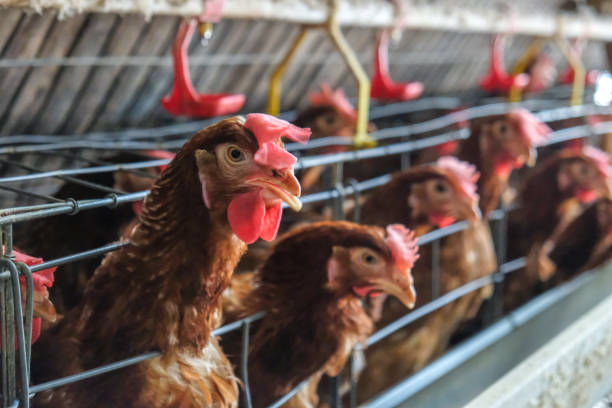
Automated Drinking Systems: Nipple drinkers or other automated water systems provide a constant supply of fresh water, minimizing spillage and waste.
Automated Manure Removal: This is a critical feature that improves hygiene, reduces the risk of disease, and minimizes ammonia buildup in the poultry house.
Egg Collection Systems: In layer cages, automated egg collection systems gently transport eggs from the cages to a collection point, reducing breakage and labor.
Climate Control Systems: While not always integrated directly into the cages, these systems work in conjunction with the cages to regulate temperature, humidity, and ventilation within the poultry house.
Benefits of Using Automatic Poultry Cages:
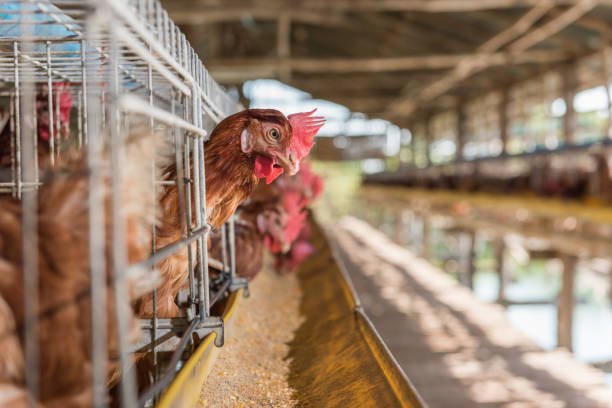
Increased Efficiency: Automation reduces labor requirements, allowing farmers to manage larger flocks with fewer workers.
Improved Bird Health: Controlled environments and automated waste removal minimize the risk of disease outbreaks.
Higher Egg/Meat Production: Consistent feeding, watering, and a comfortable environment lead to improved production rates.
Better Space Utilization: Cages maximize the number of birds that can be housed in a given area.
Reduced Waste: Automated systems minimize feed and water wastage, saving money and resources.
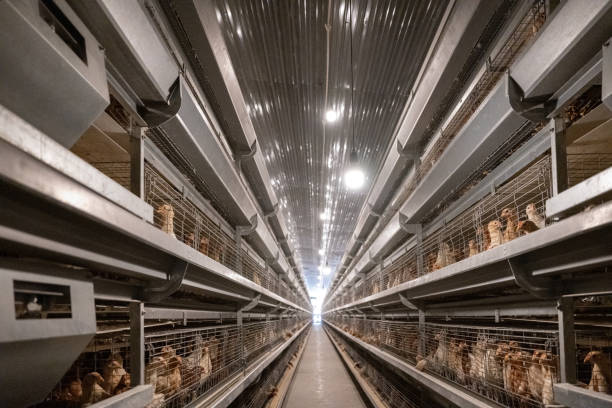
Enhanced Egg Quality: Automated egg collection reduces breakage and contamination, leading to higher quality eggs.
Factors Affecting Automatic Poultry Cage Prices
The price of automatic poultry cages can vary significantly depending on several factors. Understanding these factors is crucial for budgeting and making informed purchasing decisions.
Cage Type (Layer vs. Broiler): Layer cages, designed for egg-laying hens, typically include features like sloped floors for egg collection. Broiler cages, designed for meat-producing chickens, focus on growth rate and space optimization. The specific design and features can influence the price. Layer cages generally have more complex systems due to the egg collection components.
Cage Capacity: The number of birds a cage system can house directly impacts the price. Systems designed for larger flocks will naturally cost more due to the increased materials and complexity. Consider the per-bird cost as a key metric when comparing different systems.
Level of Automation: The degree of automation is a major price determinant. Fully automated systems with feeding, drinking, manure removal, and egg collection (for layers) will be more expensive than semi-automated systems. The more tasks that are automated, the higher the initial investment, but the lower the long-term labor costs.
Materials Used: The quality of materials used in the construction of the cages affects both the price and the durability. Galvanized steel is a common material known for its rust resistance and longevity. Thicker gauge steel and higher quality coatings will increase the price but also extend the lifespan of the cages.
Manufacturer Reputation and Brand: Established manufacturers with a proven track record often charge more due to their reputation for quality, reliability, and after-sales service. While cheaper options might be tempting, investing in a reputable brand can save money in the long run through reduced maintenance and downtime.
Country of Origin: The country where the cages are manufactured can influence the price due to differences in labor costs, material costs, and shipping expenses. For example, cages manufactured in China may be more affordable than those made in Europe or North America, but it’s essential to consider quality and potential shipping delays.
Shipping and Installation Costs: These costs can add significantly to the overall price. Shipping costs will depend on the distance from the manufacturer to your farm and the size and weight of the equipment. Installation costs will vary depending on the complexity of the system and the availability of qualified technicians in your area.
Customization Options: If you require customized cage designs or features to suit your specific needs, this will likely increase the price. Customization might include modifications to cage size, layout, or the integration of specific climate control systems.
After-Sales Service and Warranty: A comprehensive warranty and reliable after-sales service can justify a higher price. Knowing that you have access to technical support and spare parts can provide peace of mind and minimize potential disruptions to your operation.
Typical Price Ranges for Automatic Poultry Cages in Africa
Providing exact prices is challenging due to the fluctuating nature of material costs, exchange rates, and shipping fees. However, here’s a general price range to give you an idea of what to expect:
Small-Scale Automatic Layer Cages (100-500 birds): These systems can range from $2,000 to $8,000. These are often semi-automated, focusing on automated feeding and drinking with manual egg collection and manure removal.
Medium-Scale Automatic Layer Cages (500-2,000 birds): Expect to pay between $8,000 and $25,000. These systems typically include automated feeding, drinking, and egg collection, with options for automated manure removal.
Large-Scale Automatic Layer Cages (2,000+ birds): Prices can range from $25,000 to $100,000 or more. These are fully automated systems with all the bells and whistles, designed for maximum efficiency and minimal labor.
Small-Scale Automatic Broiler Cages (100-500 birds): These systems can range from $1,500 to $6,000. Similar to layer cages, these might be semi-automated.
Medium-Scale Automatic Broiler Cages (500-2,000 birds): Expect to pay between $6,000 and $20,000. These systems often include automated feeding and drinking, with manual or semi-automated manure removal.
Large-Scale Automatic Broiler Cages (2,000+ birds): Prices can range from $20,000 to $80,000 or more, depending on the level of automation and the specific features included.
These prices are estimates and can vary depending on the specific factors mentioned above. It is always best to get a customized quote from several suppliers.
Tips for Choosing the Right Automatic Poultry Cage System
Choosing the right automatic poultry cage system is a significant investment. Here are some tips to help you make the best decision for your farm:
Define Your Goals: Clearly define your poultry farming goals. Are you focused on egg production or meat production? What is your target flock size? What level of automation are you comfortable with? Answering these questions will help you narrow down your options.
Assess Your Budget: Determine your budget realistically. Consider not only the initial cost of the cages but also the potential long-term savings from reduced labor, improved feed efficiency, and increased production.
Research Suppliers: Research different suppliers thoroughly. Look for reputable manufacturers with a proven track record of quality and customer service. Read reviews and testimonials from other farmers.
Compare Quotes: Obtain quotes from multiple suppliers. Be sure to compare the features, materials, warranty, and after-sales service offered by each.
Consider Local Climate: Choose a cage system that is suitable for your local climate. Consider factors like temperature, humidity, and ventilation requirements. If you live in a hot climate, ensure the cages provide adequate ventilation and shade.
Think About Maintenance: Choose a system that is easy to maintain and repair. Consider the availability of spare parts and technical support in your area.
Visit Existing Farms: If possible, visit farms that are already using automatic poultry cage systems. This will give you a firsthand look at how the systems work and allow you to ask questions of experienced farmers.
Start Small and Scale Up: If you are new to automatic poultry farming, consider starting with a smaller-scale system and scaling up as you gain experience and confidence.
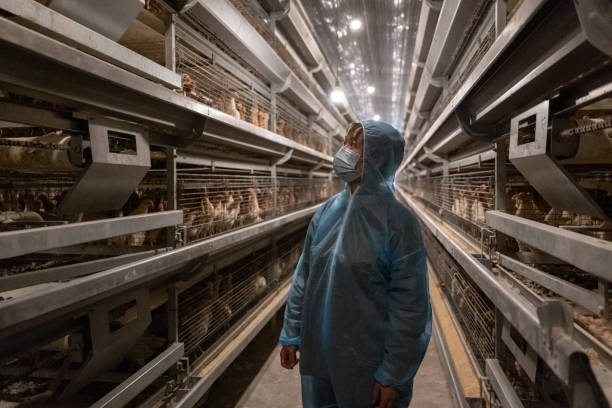
Prioritize Biosecurity: Choose a cage system that promotes good biosecurity practices. Easy cleaning and disinfection are essential for preventing disease outbreaks.
Invest in Training: Ensure that you and your staff receive proper training on how to operate and maintain the automatic poultry cage system. This will help you maximize its efficiency and lifespan.
The Importance of Investing in Quality
While it might be tempting to opt for the cheapest option available, investing in quality automatic poultry cages is crucial for long-term success. High-quality cages are more durable, require less maintenance, and provide a better environment for your birds, leading to improved health and productivity. They are also less likely to break down, saving you money on repairs and downtime. Consider it a long-term investment in the future of your poultry farm.
Financing Options for African Farmers
Purchasing automatic poultry cages can be a significant investment, but there are several financing options available to African farmers. These include:
Microfinance Institutions: Many microfinance institutions offer loans specifically tailored to small-scale farmers.
Government Programs: Some governments offer subsidies or loans to support agricultural development. Research available programs in your region.
Agricultural Banks: Agricultural banks specialize in providing financing for agricultural projects.
Supplier Financing: Some suppliers may offer financing options directly to customers.
Cooperatives: Joining a farmer cooperative can provide access to shared resources and financing opportunities.
By carefully considering your options and planning ahead, you can secure the financing you need to invest in automatic poultry cages and take your poultry farming operation to the next level.
Conclusion
Investing in automatic poultry cages can significantly improve the efficiency and profitability of your poultry farm in Africa. By understanding the factors that influence prices, comparing quotes from multiple suppliers, and prioritizing quality, you can make an informed decision that benefits your business in the long run. Remember to factor in shipping, installation, and ongoing maintenance costs when budgeting for your new system. Don’t hesitate to seek advice from experienced poultry farmers and industry experts to ensure you choose the best solution for your specific needs. With careful planning and the right equipment, you can unlock the full potential of your poultry farm and contribute to food security and economic growth in your community.