Poultry Cage Systems Compared: Finding the Right Fit for Your Needs
Poultry Cage Systems Compared: Finding the Right Fit for Your Needs
Choosing the right poultry cage system for your chicken farm is a critical decision that can significantly impact the health, productivity, and overall profitability of your operation. With a wide range of options available, from traditional battery cages to more modern enriched systems, understanding the pros and cons of each is essential. This article will delve into the various poultry cage systems available, comparing their features, benefits, and potential drawbacks to help you make an informed choice that aligns with your specific needs and goals.
Understanding the Basics: What is a Poultry Cage System?
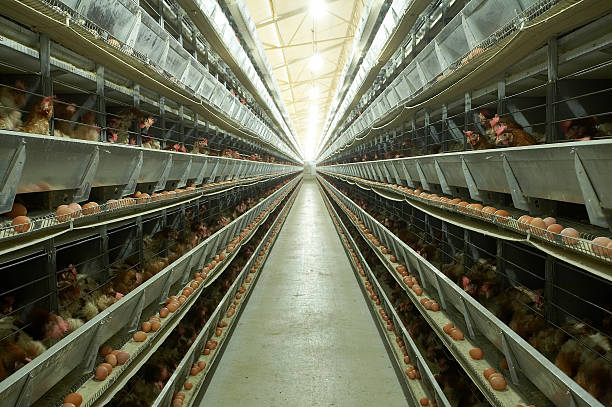
At its core, a poultry cage system is a structured housing solution designed to manage and care for chickens in a contained environment. The primary goal is to optimize egg production (in the case of laying hens) or meat production (in the case of broilers) while ensuring the birds’ health and welfare. These systems typically involve rows of cages, automated feeding and watering systems, manure removal mechanisms, and climate control features.
Types of Poultry Cage Systems: A Detailed Comparison
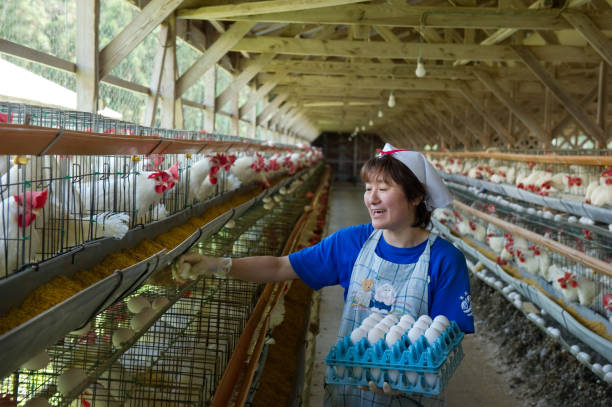
Let’s dive into the specifics of different poultry cage systems, examining their distinct characteristics and suitability for various farming operations:
Traditional Battery Cages:
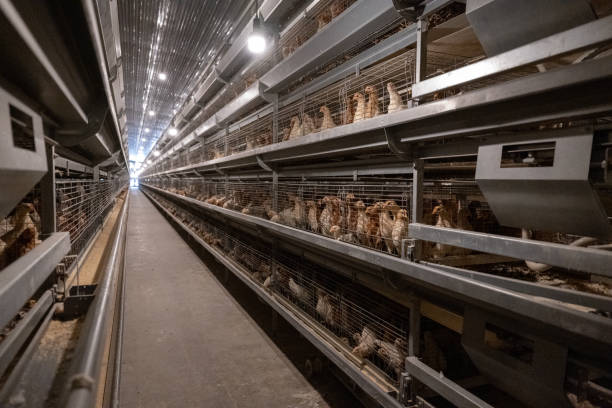
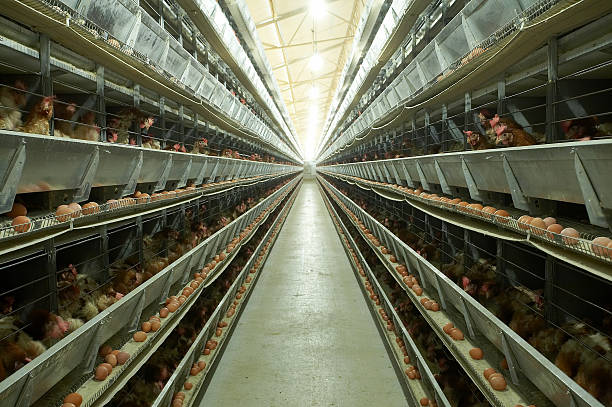
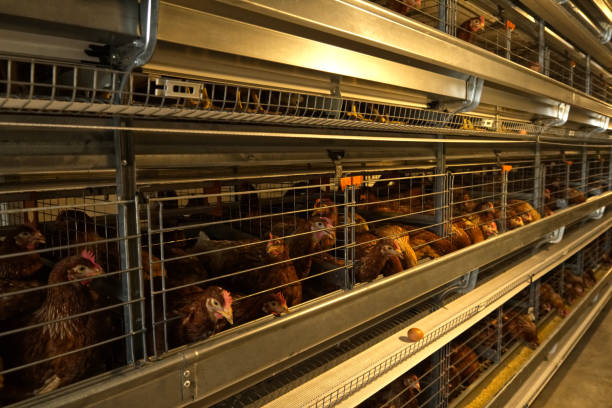
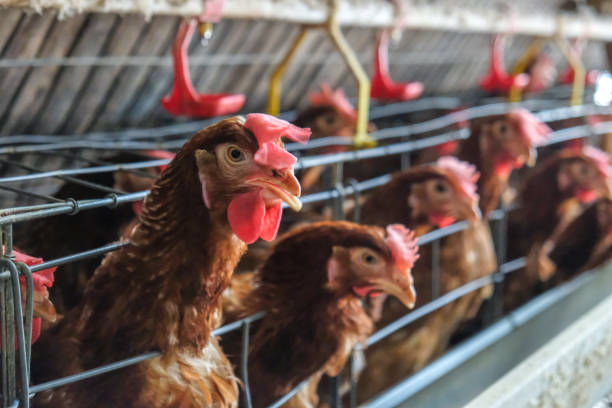
Description: Battery cages are the most conventional type of poultry housing, characterized by small, wire-floored cages arranged in rows and tiers. These cages typically house multiple hens in a confined space.
Pros:
High Stocking Density: Battery cages allow for a large number of birds to be housed in a relatively small area, maximizing space utilization and potentially increasing overall egg production per unit area.
Efficient Management: The design facilitates easy monitoring of individual birds, simplifying tasks such as feeding, watering, and egg collection.
Lower Initial Investment: Battery cages are generally less expensive to install compared to more elaborate systems.
Improved Hygiene: Wire mesh floors allow manure to fall through, reducing the risk of birds coming into contact with their waste, which can minimize the spread of disease.
Cons:
Animal Welfare Concerns: Battery cages have faced significant criticism due to the limited space and lack of environmental enrichment, which can lead to stress, frustration, and behavioral problems in hens.
Restricted Movement: The confined space restricts natural behaviors such as wing-flapping, dust-bathing, and perching, impacting the birds’ well-being.
Leg Problems: Wire mesh floors can contribute to leg deformities and injuries in hens.
Public Perception: Growing consumer awareness of animal welfare issues has led to increased pressure on producers to adopt more humane farming practices.
Enriched Cage Systems:
Description: Enriched cages are designed to address the welfare concerns associated with traditional battery cages by providing hens with more space and environmental enrichment. These cages typically include features such as perches, nest boxes, scratching areas, and dust-bathing substrates.
Pros:
Improved Animal Welfare: Enriched cages allow hens to express more natural behaviors, reducing stress and improving their overall well-being.
Reduced Behavioral Problems: The provision of enrichment features can help to minimize behavioral problems such as feather pecking and aggression.
Enhanced Egg Quality: Some studies suggest that hens housed in enriched cages may produce eggs with improved shell strength and yolk quality.
Compliance with Regulations: Enriched cages are increasingly required by regulations in many countries, making them a future-proof investment for poultry farmers.
Cons:
Higher Initial Investment: Enriched cages are more expensive to install than traditional battery cages due to the additional features and larger size.
Lower Stocking Density: The increased space per bird results in a lower stocking density compared to battery cages, which may reduce the overall egg production per unit area.
Increased Management Complexity: Managing enriched cages can be more complex, requiring more labor for tasks such as nest box maintenance and litter management.
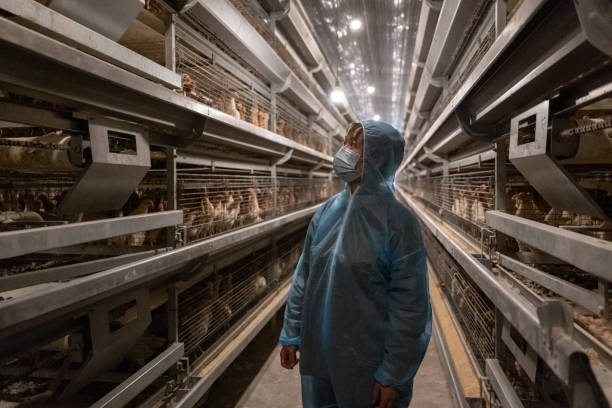
Potential for Disease Spread: The increased contact between birds in enriched cages can potentially increase the risk of disease spread, requiring careful attention to biosecurity measures.
Aviary Systems:
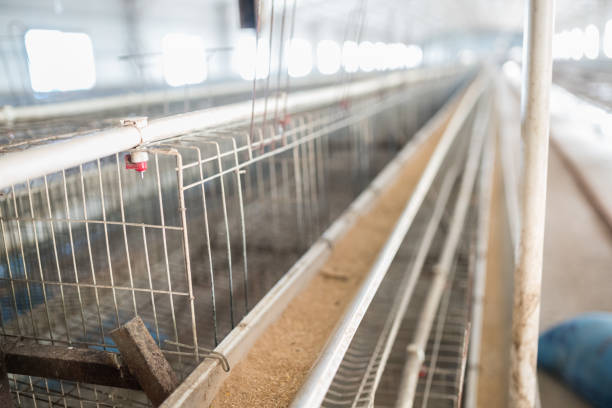
Description: Aviary systems are cage-free housing systems that allow hens to roam freely within a defined area. These systems typically include multiple tiers, perches, nest boxes, and feeding and watering stations.
Pros:
Highest Level of Animal Welfare: Aviary systems provide hens with the greatest opportunity to express natural behaviors, promoting their well-being.
Natural Social Interaction: Hens can interact naturally with each other, establishing social hierarchies and engaging in social behaviors.
Reduced Leg Problems: The availability of solid flooring and perches reduces the risk of leg problems.
Positive Consumer Perception: Aviary systems are generally viewed favorably by consumers who are concerned about animal welfare.
Cons:
High Initial Investment: Aviary systems are the most expensive type of poultry housing to install due to the complex infrastructure and large space requirements.
Lower Stocking Density: Aviary systems have the lowest stocking density compared to cage-based systems, which can significantly reduce the overall egg production per unit area.
Increased Management Complexity: Managing aviary systems requires skilled labor and careful attention to detail to ensure bird health and welfare.
Increased Risk of Disease and Parasites: The free-range environment can increase the risk of disease outbreaks and parasite infestations.
Egg Collection Challenges: Collecting eggs from aviary systems can be more labor-intensive and time-consuming compared to cage-based systems.
Potential for Aggression and Feather Pecking: Higher levels of freedom can sometimes lead to increased aggression and feather pecking among hens.
Floor Systems (Litter-Based Systems):
Description: Floor systems, also known as litter-based systems, involve housing chickens on a solid floor covered with bedding material such as wood shavings, straw, or rice hulls. The birds are free to roam within the house and have access to feeders, waterers, and nest boxes.
Pros:
Improved Animal Welfare: Compared to battery cages, floor systems provide hens with more space to move and express natural behaviors.
Natural Behaviors: Birds can engage in natural behaviors like scratching, dust bathing, and foraging.
Lower Incidence of Leg Problems: The solid floor reduces the risk of leg deformities compared to wire mesh floors.
Cons:
Higher Risk of Disease: Floor systems can have a higher risk of disease outbreaks due to the increased contact with manure and the potential for the build-up of pathogens in the litter.
Manure Management Challenges: Managing manure in floor systems can be more complex and labor-intensive. Regular litter replacement is necessary to maintain good hygiene.
Egg Collection Difficulties: Egg collection can be more challenging since eggs may be laid in various locations within the house.
Potential for Broodiness: Hens in floor systems may exhibit broodiness (the desire to incubate eggs), which can reduce egg production.
Broiler Cage Systems:
Description: Broiler cages are designed specifically for meat production chickens. They typically consist of wire or plastic mesh cages with adequate space for broilers to move, feed, and rest comfortably.
Pros:
Improved Feed Conversion: Broiler cages can improve feed conversion rates as the birds have limited space for excessive movement, directing more energy toward growth.
Reduced Risk of Diseases: Separating broilers into smaller groups can reduce the risk of disease spread.
Better Hygiene: Wire or mesh floors allow for easy manure removal, improving hygiene and reducing the risk of footpad dermatitis.
Cons:
Animal Welfare Concerns: Broiler cages face similar welfare concerns as battery cages due to limited space and restricted movement.
Musculoskeletal Problems: Rapid growth rates combined with limited space can increase the risk of leg problems like lameness.
Consumer Resistance: Growing awareness of animal welfare issues leads to consumer resistance against cage-raised meat.
Alternative Systems: Many producers are switching to floor systems or slower-growing breeds to address welfare concerns.
Factors to Consider When Choosing a Poultry Cage System:
When selecting the best poultry cage system for your operation, consider these key factors:
Animal Welfare: Prioritize systems that promote the health and well-being of your chickens by providing adequate space, enrichment, and opportunities to express natural behaviors.
Production Efficiency: Balance animal welfare considerations with the need for efficient egg or meat production. Consider stocking density, feed conversion rates, and egg collection efficiency.
Economic Viability: Evaluate the initial investment costs, operating expenses (e.g., feed, labor, energy), and potential returns for each system.
Regulatory Compliance: Ensure that your chosen system complies with all applicable regulations and standards related to animal welfare, food safety, and environmental protection.
Market Demand: Consider consumer preferences and market trends in your region. Are consumers willing to pay a premium for eggs or meat produced in cage-free or enriched systems?
Climate and Environment: Choose a system that is suitable for your local climate and environment. Consider factors such as temperature, humidity, and ventilation requirements.
Management Skills and Resources: Evaluate your management skills, labor availability, and access to resources such as feed, water, and veterinary services.
Future-Proofing: Consider the long-term sustainability of your chosen system in light of evolving regulations, consumer preferences, and technological advancements.
Making the Right Choice:
Choosing the right poultry cage system is a complex decision with significant implications for your business. By carefully weighing the pros and cons of each option and considering the factors outlined above, you can select a system that aligns with your values, meets your production goals, and ensures the long-term success of your poultry operation. Remember to prioritize the health and welfare of your chickens while also considering economic viability and regulatory compliance. Seeking advice from experienced poultry consultants and visiting existing farms with different systems can provide valuable insights to inform your decision-making process. Ultimately, the best poultry cage system is one that balances animal welfare, production efficiency, and economic sustainability to create a thriving and responsible farming operation.