Boost Your Poultry Farm’s Efficiency: Poultry Cage Systems for Commercial Operations
Boost Your Poultry Farm’s Efficiency: Poultry Cage Systems for Commercial Operations
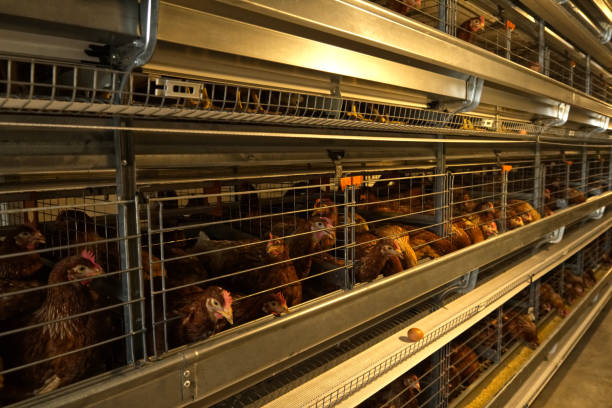
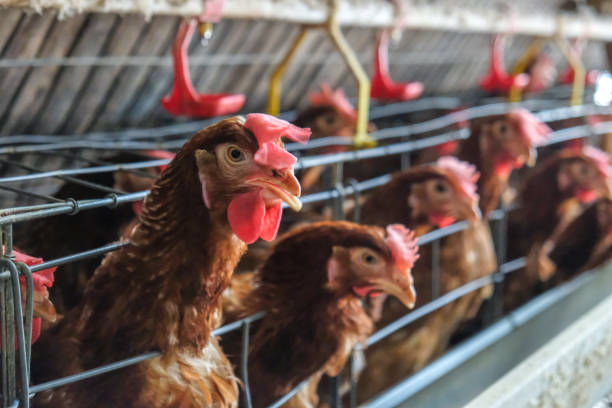
Poultry farming, especially egg production and broiler raising, relies heavily on efficiency to maximize profits. One of the most impactful ways to enhance this efficiency is by implementing well-designed poultry cage systems. These systems, ranging from traditional to highly automated, drastically influence space utilization, bird health, labor costs, and overall farm productivity. This article delves into the world of poultry cage systems, exploring their types, benefits, key considerations for choosing the right system, and how they contribute to the success of commercial poultry operations.
Understanding Poultry Cage Systems
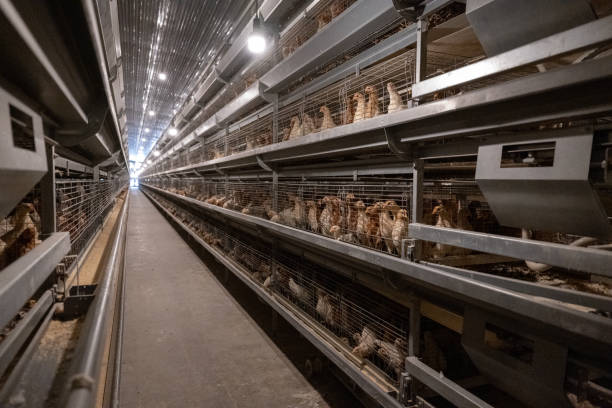
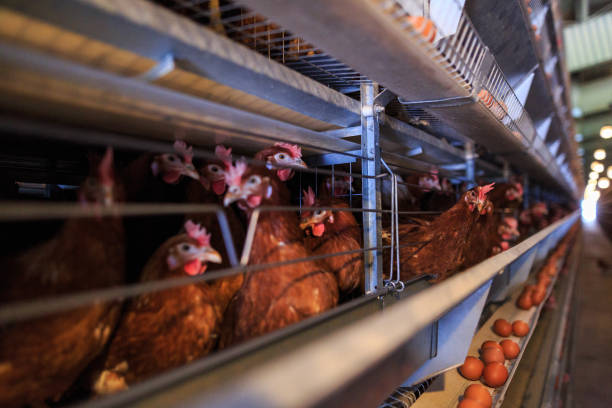
Poultry cage systems are designed to house chickens in a controlled environment. Instead of allowing birds to roam freely (as in free-range systems), cage systems confine them to specified areas. These cages are usually arranged in tiers or rows, optimizing space utilization within the poultry house. The design of these systems has evolved over time, with modern iterations incorporating features designed to improve bird welfare and operational efficiency.
Types of Poultry Cage Systems
There are distinct types of poultry cage systems, each with its own advantages and suitability for different farming objectives.
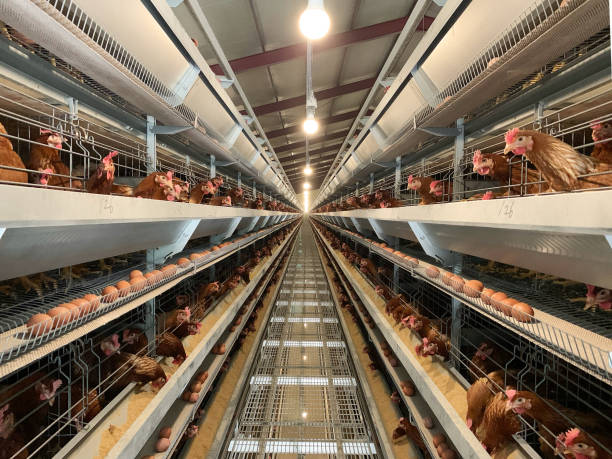
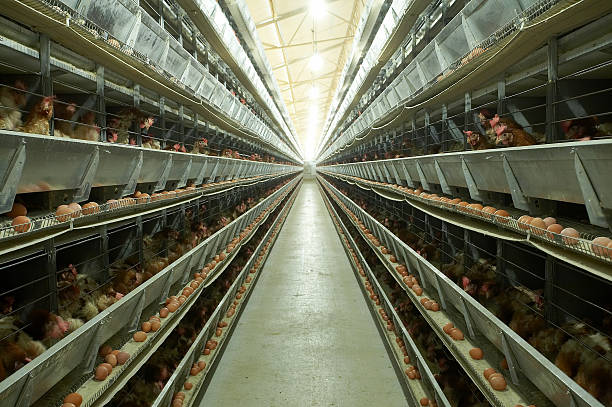
Layer Cage Systems: Layer cages are specifically designed for egg-laying hens. These systems typically provide individual or small-group compartments for each hen, making egg collection easier, minimizing egg breakage, and controlling feed consumption. Traditional layer cages, often referred to as “battery cages,” are gradually being replaced in some regions by enriched or furnished cages that offer more space and amenities for the hens, promoting better animal welfare.
Broiler Cage Systems: Broiler cages are designed for raising meat chickens (broilers). These systems are larger and more robust than layer cages to accommodate the rapid growth of broiler chickens. Broiler cage systems often feature slatted floors for good manure management and easy cleaning. The goal is to provide a comfortable environment that supports rapid weight gain and minimizes the risk of disease.
Pullet Cage Systems: Pullet cages are utilized to raise young female chickens (pullets) from chicks until they are ready to start laying eggs. These cages are designed to support the growth and development of the pullets, ensuring they reach the desired weight and maturity before being moved to layer cages. Pullet cage systems often include features to control lighting and temperature, which are crucial for proper pullet development.
Enriched Cage Systems: Enriched cages, also known as furnished cages, are a more welfare-friendly alternative to traditional battery cages. They provide hens with more space, perches, nests, and scratching areas, thus allowing them to engage in more natural behaviors. Enriched cages are becoming increasingly popular as consumer awareness of animal welfare grows.
Automated Cage Systems: Automation takes poultry cage systems to the next level. Automated systems incorporate features like automatic feeding, watering, egg collection, and manure removal. This reduces labor costs significantly and improves overall efficiency. While the initial investment may be higher, the long-term benefits of automation make it an attractive option for large-scale commercial operations.
Benefits of Using Poultry Cage Systems
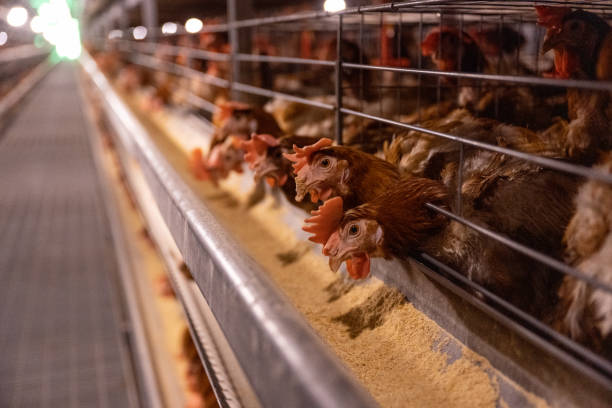
Implementing poultry cage systems offers a multitude of benefits, positively impacting the poultry farm’s profitability and operational efficiency.
Increased Space Utilization: Cage systems maximize the number of birds that can be housed in a given area. By stacking cages vertically, farmers can significantly increase their flock size without expanding the physical footprint of their poultry house. This efficient space utilization translates directly into higher production output.
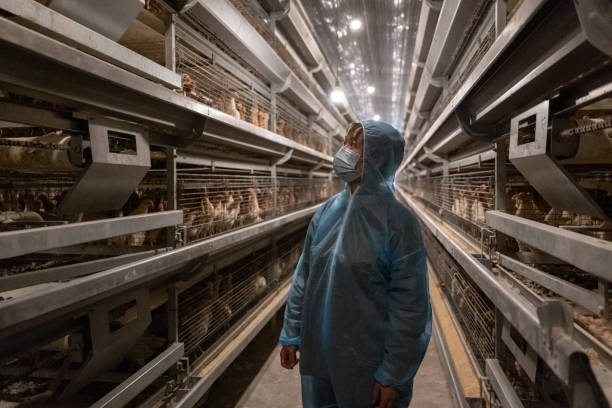
Improved Disease Control: Housing chickens in cages reduces their contact with manure, minimizing the spread of diseases and parasites. The controlled environment in cage systems also allows for better biosecurity measures, further safeguarding the health of the flock. Regular cleaning and disinfection of the cages are easier than in open-house systems, contributing to a healthier environment.
Enhanced Egg Collection: In layer cage systems, eggs roll out of the cages onto a collection belt, where they can be easily gathered either manually or automatically. This significantly reduces egg breakage and makes the egg collection process much more efficient. Automated egg collection systems further streamline this process, reducing labor requirements and minimizing the risk of contamination.
Reduced Labor Costs: Automated cage systems significantly reduce the need for manual labor. Automatic feeding, watering, egg collection, and manure removal minimize the number of workers required to manage the flock. This translates into substantial cost savings over time, making the operation more profitable.
Better Feed Management: Cage systems allow for more precise control over feed distribution. Farmers can easily monitor the amount of feed consumed by each bird or group of birds, ensuring that they receive the appropriate nutrition. This minimizes feed waste and optimizes feed conversion ratios, leading to better performance and lower feed costs.
Predator Protection: Chickens housed in cage systems are protected from predators such as foxes, coyotes, and birds of prey. This is especially important for farms located in rural areas where predators are common. The cage system provides a secure barrier, ensuring the safety of the flock.
Improved Air Quality: Well-designed cage systems, especially those with ventilation systems, help maintain better air quality within the poultry house. Proper ventilation removes ammonia and other harmful gases, reducing the risk of respiratory problems in the birds. Improved air quality contributes to healthier and more productive flocks.
Manure Management: Cage systems often feature manure collection systems that make it easier to manage and dispose of manure. This helps maintain a cleaner and more hygienic environment inside the poultry house. Some systems include automatic manure removal belts, which further streamline the process. The collected manure can be used as fertilizer or processed into other valuable products.
Considerations When Choosing a Poultry Cage System
Choosing the right poultry cage system is a critical decision that depends on several factors.
Type of Poultry: The type of poultry you are raising (layers, broilers, or pullets) will significantly influence your choice of cage system. Layer cages are designed for egg production, while broiler cages are designed for meat production. Pullet cages are specialized for raising young chickens.
Flock Size: The size of your flock will determine the scale and complexity of the cage system you need. Larger flocks will require more extensive and automated systems to manage them efficiently. Smaller flocks may be well-suited to simpler, more manual systems.
Budget: The initial investment cost of a poultry cage system can vary widely depending on the type, size, and level of automation. It’s essential to consider your budget carefully and choose a system that provides the best value for your investment. Remember to factor in ongoing operational costs, such as electricity and maintenance.
Animal Welfare Standards: Animal welfare is becoming increasingly important, both to consumers and regulators. Consider choosing a cage system that provides adequate space and amenities for the birds, such as enriched cages with perches and nests. This will not only improve the well-being of your flock but also enhance your farm’s reputation.
Climate: The climate in your region will influence the design of your poultry house and cage system. In hot climates, you may need to consider cooling systems and ventilation to prevent heat stress. In cold climates, you may need to insulate the poultry house and provide heating to maintain a comfortable temperature for the birds.
Labor Availability: If you have limited access to labor, you may want to invest in an automated cage system that reduces the need for manual tasks. Automated systems can significantly reduce labor costs and improve overall efficiency.
Local Regulations: Be sure to check local regulations regarding poultry farming and cage systems. Some areas may have specific requirements for cage size, ventilation, or manure management. Adhering to these regulations is essential to avoid penalties and ensure the long-term sustainability of your farm.
Future Expansion: Consider your plans for future expansion when choosing a poultry cage system. You may want to choose a system that can be easily expanded to accommodate a growing flock. This will save you time and money in the long run.
Maintenance and Durability: Choose a cage system that is durable and easy to maintain. Look for high-quality materials and construction that will withstand the rigors of daily use. Regular maintenance is essential to keep the system running smoothly and prevent breakdowns.
Implementing and Managing Poultry Cage Systems
Proper implementation and management are crucial for maximizing the benefits of poultry cage systems.
Proper Installation: Correct installation is vital for the safe and efficient operation of the cage system. Follow the manufacturer’s instructions carefully and ensure that all components are properly assembled and secured.
Regular Cleaning: Regular cleaning is essential to maintain a hygienic environment and prevent the spread of diseases. Remove manure and debris regularly and disinfect the cages as needed.
Ventilation Management: Proper ventilation is crucial for maintaining good air quality. Ensure that the ventilation system is operating effectively and that the air is circulating properly throughout the poultry house.
Feeding and Watering: Monitor the feeding and watering systems regularly to ensure that the birds are receiving adequate nutrition and hydration. Check for leaks or blockages and make repairs as needed.
Health Monitoring: Monitor the health of the flock closely and take prompt action to address any health problems. Isolate sick birds and consult with a veterinarian as needed.
Record Keeping: Keep accurate records of feed consumption, egg production, mortality rates, and other relevant data. This information can be used to track performance and identify areas for improvement.
Staff Training: Train your staff on the proper operation and maintenance of the cage system. Ensure they understand the importance of hygiene and biosecurity.
Conclusion
Poultry cage systems are a vital tool for enhancing the efficiency and profitability of commercial poultry operations. By maximizing space utilization, improving disease control, reducing labor costs, and optimizing feed management, these systems can significantly boost productivity. When selecting a poultry cage system, it’s crucial to consider the type of poultry, flock size, budget, animal welfare standards, climate, labor availability, and local regulations. With careful planning, proper implementation, and diligent management, poultry cage systems can contribute significantly to the success and sustainability of your poultry farm. As the poultry industry continues to evolve, choosing the right poultry cage system remains a critical factor in achieving optimal performance and remaining competitive in the market.