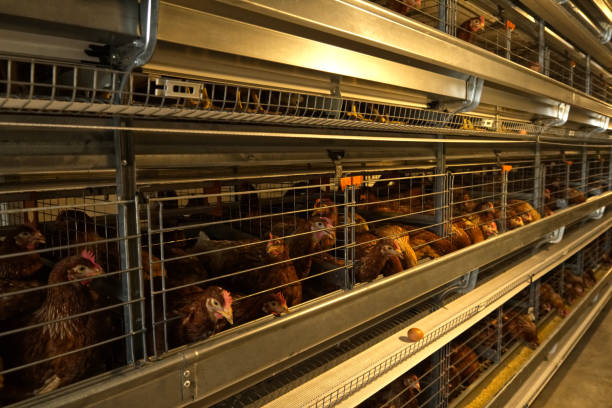
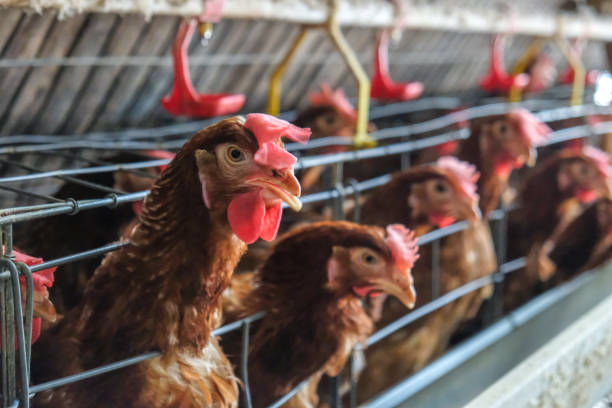
Optimizing Broiler Production: Choosing the Right Poultry Cage for African Farms
Optimizing Broiler Production: Choosing the Right Poultry Cage for African Farms
For African farmers looking to maximize their broiler production, selecting the right poultry cage is a game-changer. It’s not just about containing the birds; it’s about creating an environment that promotes health, growth, and overall efficiency. With the right cage system, farmers can see significant improvements in bird welfare, reduced labor costs, better disease control, and ultimately, higher profits. This article explores the critical factors to consider when choosing broiler cages for African farms, ensuring you make an informed decision that suits your specific needs and circumstances.
Understanding the African Farming Landscape
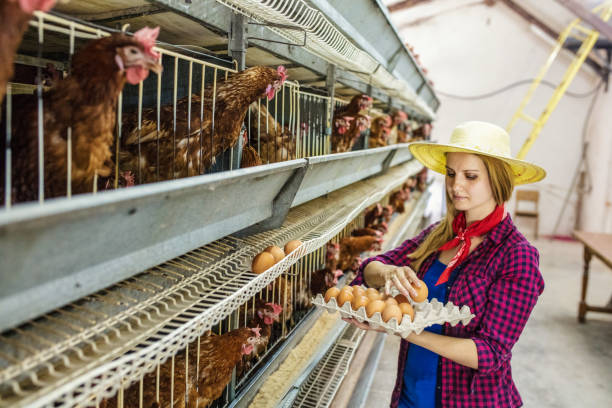
Before diving into specific cage types, it’s crucial to understand the unique challenges and opportunities present in the African farming context. Factors like climate, available resources, local regulations, and market demands all play a significant role in determining the best cage system for your operation.
Climate Considerations: Africa’s diverse climates, ranging from hot and humid to arid and semi-arid, necessitate cage designs that can withstand extreme temperatures and provide adequate ventilation.
Resource Availability: Access to water, electricity, and skilled labor can vary greatly across the continent. The chosen cage system should be compatible with these resources, perhaps prioritizing designs that minimize water usage or require less intensive labor.
Local Regulations and Standards: Familiarize yourself with local regulations regarding animal welfare, environmental protection, and food safety. The cage system should comply with these standards to ensure smooth operations and avoid potential legal issues.
Market Demands: Understanding the preferences of your target market, such as the desired size and quality of broilers, will help you choose a cage system that optimizes growth and meets market expectations.
Benefits of Using Poultry Cages for Broiler Production
Implementing a well-designed poultry cage system offers numerous advantages for broiler production in Africa:
Improved Hygiene and Disease Control: Cages elevate birds off the ground, reducing their contact with droppings and minimizing the spread of diseases. This leads to healthier flocks and lower mortality rates.
Enhanced Feeding Efficiency: Cage systems often incorporate efficient feeding mechanisms, ensuring that all birds have equal access to feed and minimizing wastage. This translates to lower feed costs and faster growth rates.
Optimized Space Utilization: Cages allow for higher stocking densities compared to traditional floor rearing, maximizing the use of limited space and increasing overall production capacity.
Reduced Labor Requirements: Automated cage systems streamline tasks such as feeding, watering, and waste removal, significantly reducing labor costs and freeing up time for other farm management activities.
Better Monitoring and Management: Cages provide easy access to individual birds, making it easier to monitor their health and growth. This allows for early detection of problems and timely intervention.
Improved Meat Quality: Cage systems can help reduce bruising and other injuries, resulting in higher quality meat that commands a better price in the market.
Types of Broiler Cages: A Comprehensive Overview
Several types of broiler cages are available, each with its own set of advantages and disadvantages. Understanding the different options will help you choose the system that best fits your specific needs and budget.
A-Frame Cages: A-frame cages are a common and relatively inexpensive option. They are arranged in rows, with each cage sloping downwards to facilitate manure removal. They are easy to install and maintain and are suitable for smaller-scale operations. However, they may require more manual labor for feeding and watering.
H-Frame Cages: H-frame cages are similar to A-frame cages but are arranged in a more vertical configuration. This allows for higher stocking densities and better space utilization. They often incorporate automated feeding and watering systems, reducing labor requirements.
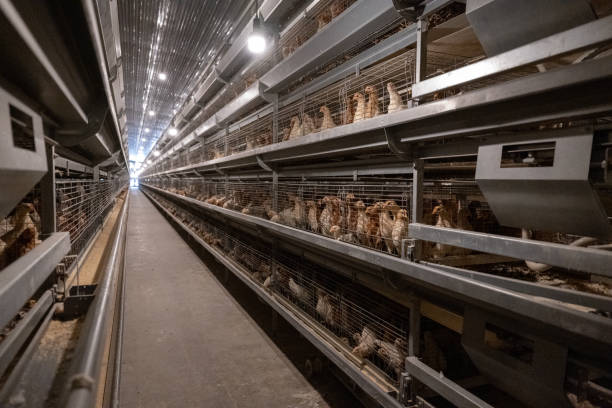
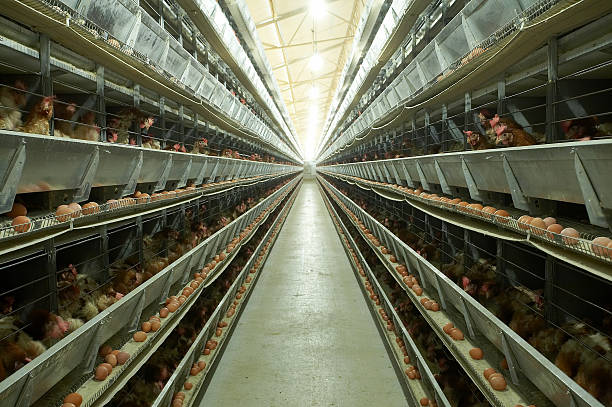
Flat Deck Cages: Flat deck cages are designed with multiple tiers stacked on top of each other. This maximizes space utilization and is ideal for larger-scale operations. They typically feature automated feeding, watering, and manure removal systems. However, they may be more expensive to install than other types of cages.
Battery Cages: Battery cages are a more traditional system consisting of rows of small, individual cages. While they offer excellent disease control and easy monitoring, they have faced criticism due to animal welfare concerns. It’s crucial to consider local regulations and ethical considerations before opting for battery cages.
Enriched Cages: Enriched cages aim to improve bird welfare by providing more space and enrichment features such as perches and nesting areas. These systems are becoming increasingly popular as consumers and retailers demand higher welfare standards. While they may be more expensive than traditional cages, they can potentially attract a premium price for your product.
Key Factors to Consider When Choosing Broiler Cages
When selecting a broiler cage system for your African farm, several factors warrant careful consideration:
Cage Material: The cage material should be durable, corrosion-resistant, and easy to clean. Galvanized steel is a popular choice due to its strength and affordability. Stainless steel offers superior corrosion resistance but is more expensive. Plastic cages are also available; they are lightweight and easy to clean but may not be as durable as metal cages.
Cage Size and Dimensions: The size of the cage should be appropriate for the breed and age of the broilers. Overcrowding can lead to stress, disease, and reduced growth rates. Ensure that the cage dimensions comply with local regulations and animal welfare standards.
Ventilation: Adequate ventilation is crucial for maintaining a healthy environment and preventing the buildup of harmful gases such as ammonia. The cage design should allow for good airflow, especially in hot and humid climates. Consider incorporating ventilation systems such as fans or natural ventilation openings.
Feeding and Watering Systems: Efficient feeding and watering systems are essential for optimizing growth and minimizing waste. Consider automated systems that deliver feed and water consistently and evenly to all birds. Nipple drinkers are a popular choice as they minimize water spillage and contamination.
Manure Removal System: Efficient manure removal is crucial for maintaining hygiene and preventing the spread of diseases. Consider automated manure removal systems that remove waste regularly, reducing the buildup of ammonia and other harmful gases. Options include belt systems, scraper systems, and flushing systems.
Ease of Cleaning and Maintenance: The cage system should be easy to clean and maintain to ensure optimal hygiene and prevent the buildup of bacteria and pathogens. Choose cages with smooth surfaces and accessible components that can be easily cleaned and disinfected.
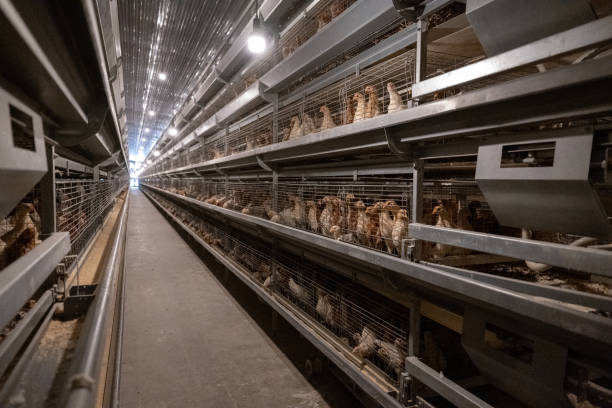
Durability and Longevity: Invest in a cage system that is built to last. Consider the quality of the materials and the construction of the cage. A durable cage system will save you money in the long run by reducing the need for repairs and replacements.
Cost: The cost of the cage system is an important consideration. However, it’s essential to consider not just the initial cost but also the long-term operating costs, such as labor, feed, and water. A more expensive cage system may be more cost-effective in the long run if it reduces labor requirements and improves feed efficiency.
Supplier Reputation and Support: Choose a reputable supplier with a proven track record of providing high-quality products and excellent customer support. Look for suppliers who offer installation, training, and after-sales service to ensure that you get the most out of your cage system.
Implementing and Managing Your Broiler Cage System
Once you have chosen and installed your broiler cage system, it’s crucial to implement effective management practices to maximize its benefits:
Proper Stocking Density: Avoid overcrowding by adhering to recommended stocking densities. Overcrowding can lead to stress, disease, and reduced growth rates.
Regular Cleaning and Disinfection: Clean and disinfect the cages regularly to prevent the buildup of bacteria and pathogens. Use appropriate disinfectants and follow recommended cleaning protocols.
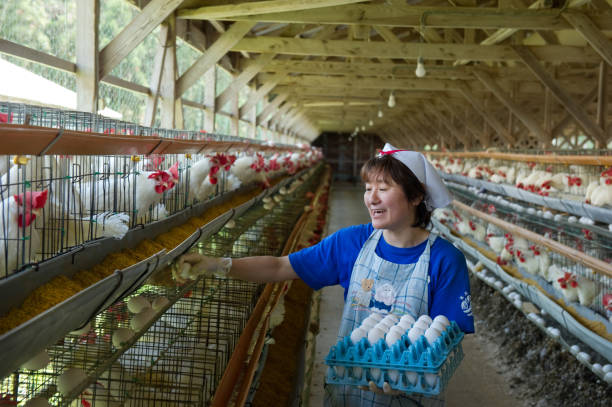
Effective Ventilation Management: Monitor ventilation levels regularly and adjust as needed to maintain a healthy environment. Ensure that there is adequate airflow to remove harmful gases and maintain optimal temperature and humidity.
Proper Feeding and Watering Management: Ensure that birds have access to fresh, clean water and high-quality feed at all times. Monitor feed and water consumption regularly and adjust as needed to optimize growth.
Disease Prevention and Control: Implement a comprehensive disease prevention program that includes vaccination, biosecurity measures, and regular health checks. Isolate sick birds immediately to prevent the spread of disease.
Monitor Bird Welfare: Regularly monitor birds for signs of stress or discomfort. Provide adequate space, ventilation, and enrichment to ensure their well-being.
Specific Cage Recommendations for Different African Regions
Given the diverse climate conditions across Africa, here are some specific cage recommendations for different regions:
Hot and Humid Regions (e.g., Coastal West Africa): Prioritize cages with excellent ventilation to prevent heat stress. Open-sided cages with natural ventilation or cages with forced-air ventilation systems are recommended. Consider using reflective roofing materials to reduce heat absorption.
Arid and Semi-Arid Regions (e.g., Sahel): Focus on cages that minimize water usage and protect birds from extreme temperatures. Consider using evaporative cooling systems to reduce heat stress. Ensure that the cage material is UV-resistant to prevent degradation in the harsh sunlight.
High Altitude Regions (e.g., East African Highlands): Choose cages that provide adequate insulation to protect birds from cold temperatures. Consider using enclosed cages with heating systems to maintain a comfortable environment. Ensure that the ventilation system is designed to prevent drafts.
Looking Ahead: Sustainable Broiler Production in Africa
As the demand for broiler meat continues to grow in Africa, it’s essential to adopt sustainable production practices that protect the environment and ensure the long-term viability of the industry. Choosing the right poultry cage is just one piece of the puzzle. Other important considerations include:
Waste Management: Implement effective waste management practices to reduce the environmental impact of broiler production. Consider composting manure or using it as fertilizer to reduce reliance on chemical fertilizers.
Water Conservation: Implement water conservation measures to reduce water usage. Consider using low-flow drinkers and recycling water where possible.
Energy Efficiency: Implement energy-efficient practices to reduce energy consumption. Consider using solar power or other renewable energy sources to power farm operations.
Animal Welfare: Prioritize animal welfare by providing birds with adequate space, ventilation, and enrichment. Consider using enriched cages or alternative housing systems that promote natural behaviors.
By carefully considering the factors outlined in this article and embracing sustainable production practices, African farmers can optimize their broiler production, improve bird welfare, and contribute to a more sustainable and prosperous future for the continent. The right poultry cage is an investment in the future of your farm.