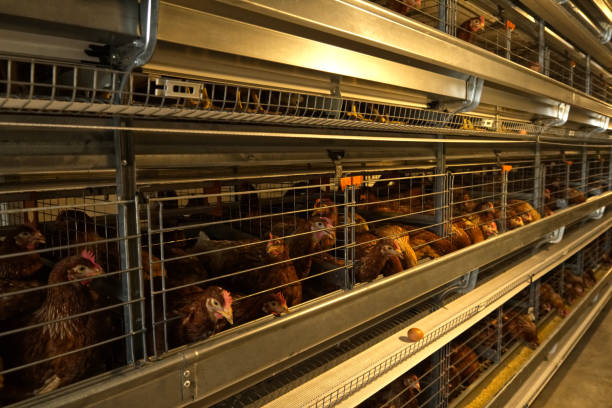
Broiler Poultry Cage Solutions: Durable, Affordable, and Designed for African Climates
Broiler Poultry Cage Solutions: Durable, Affordable, and Designed for African Climates
Raising broilers in Africa presents unique challenges and opportunities. The climate, local farming practices, and economic realities all play a crucial role in determining the success of a poultry operation. Broiler poultry cage systems, specifically designed for African climates, offer a viable solution for maximizing efficiency, improving bird health, and ultimately, boosting profitability. This article explores the benefits of durable, affordable broiler cage solutions tailored for the specific needs of poultry farmers in Africa.
Understanding the African Poultry Farming Landscape
Before diving into the specifics of cage systems, it’s important to understand the current state of poultry farming in Africa. Many farmers operate on a small to medium scale, often facing constraints such as limited access to capital, fluctuating feed prices, and the challenges of managing birds in hot and humid environments. Traditional free-range or deep litter systems are common, but these methods can lead to higher mortality rates, increased disease transmission, and inefficient land use. Broiler cage systems offer a modern alternative that addresses these issues, enabling farmers to intensify production and improve overall flock management.
The Benefits of Broiler Poultry Cages
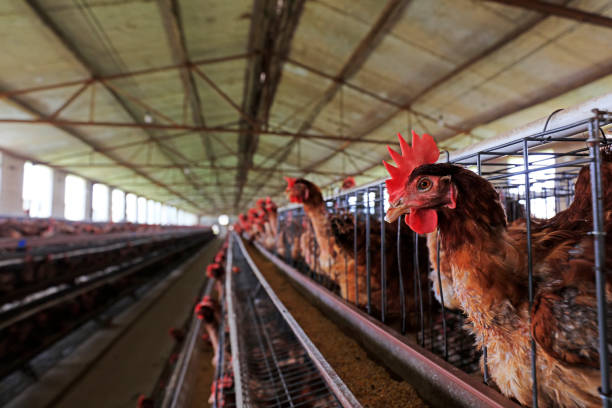
Broiler cages provide a controlled environment that promotes optimal growth and efficient management of broiler chickens. Here are some key advantages:
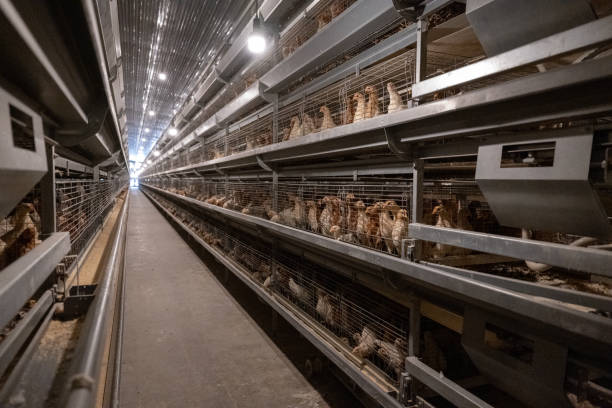
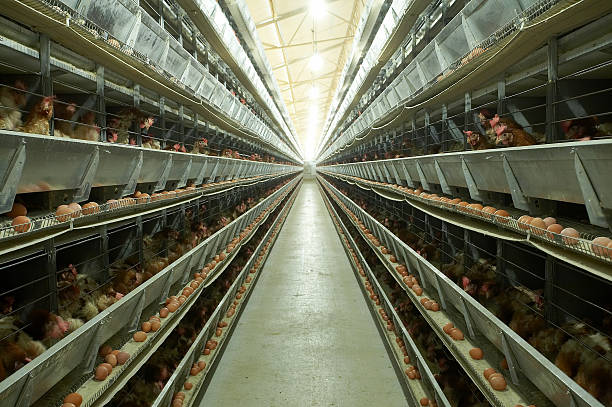
Improved Space Utilization: Cage systems significantly increase the number of birds that can be raised in a given area compared to floor-based systems. This is particularly important in regions where land is expensive or scarce. By stacking cages, farmers can create multi-tiered systems that maximize vertical space, resulting in higher stocking densities.
Reduced Disease Transmission: Keeping birds in cages minimizes contact with feces and other potential sources of disease. Each cage can be designed with a sloped floor that allows droppings to fall through, preventing the buildup of harmful bacteria and parasites. This leads to healthier birds and reduces the need for costly medications.
Better Feed Conversion: Cage systems allow for more precise feed management. Birds have limited movement, which reduces wasted energy and allows them to convert feed into meat more efficiently. This translates to lower feed costs and faster growth rates.
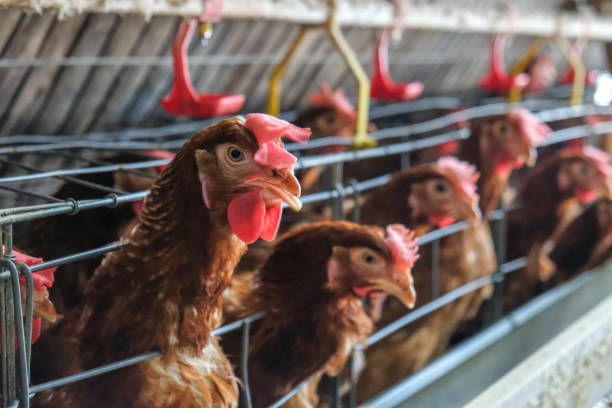
Easier Monitoring and Management: Farmers can easily monitor the health and performance of individual birds in cages. This allows for early detection of illness or injuries, enabling prompt treatment and preventing the spread of disease. Routine tasks like feeding, watering, and cleaning are also simplified.
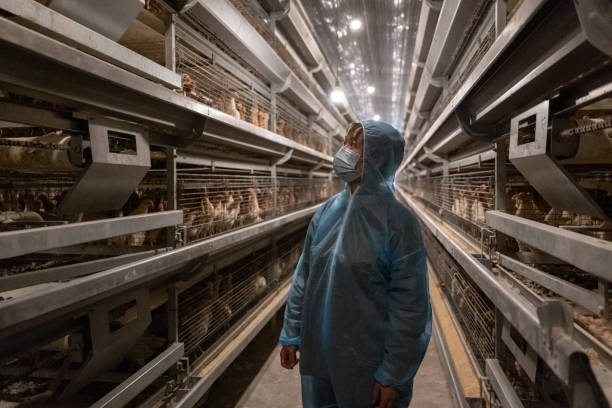
Enhanced Biosecurity: Cage systems can be incorporated into a comprehensive biosecurity program to minimize the risk of disease outbreaks. By controlling access to the birds and implementing strict hygiene protocols, farmers can protect their flocks from external threats.
Reduced Labor Costs: While the initial investment in cage systems may be higher, they can significantly reduce labor costs in the long run. Automated feeding and watering systems minimize the need for manual labor, allowing farmers to focus on other important tasks, such as monitoring bird health and managing overall operations.
Key Design Considerations for African Climates
Broiler cage systems designed for African climates need to address specific environmental challenges, primarily heat and humidity. Here are some critical design considerations:
Ventilation: Adequate ventilation is essential for removing excess heat and moisture from the poultry house. The design should incorporate natural ventilation, such as large side openings that allow for cross-ventilation. In hotter regions, mechanical ventilation systems, such as fans, may be necessary to ensure optimal air circulation. The proper layout and orientation of the poultry house are also vital for maximizing airflow.
Cooling Systems: In extremely hot climates, cooling systems may be needed to prevent heat stress in broilers. Evaporative cooling systems, such as pad and fan systems or fogging systems, can effectively lower the temperature inside the poultry house. These systems work by evaporating water, which absorbs heat from the air. Shade structures over the poultry house can also help to reduce the amount of solar radiation entering the building.
Durable Materials: The materials used to construct the cage system should be durable and resistant to corrosion, especially in humid environments. Galvanized steel is a popular choice because it provides excellent protection against rust and corrosion. The cage structure should also be strong enough to withstand the weight of the birds and any external stresses. Consider using high-quality galvanized wire mesh for the cage floors and sides to ensure longevity.
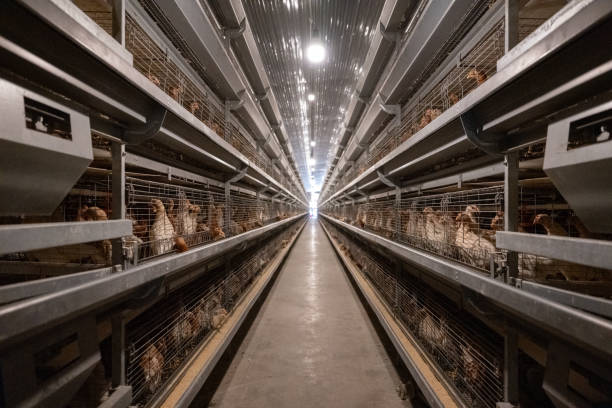
Cage Dimensions: The dimensions of the cages should be appropriate for the size and growth rate of the broiler chickens. Overcrowding can lead to stress and decreased performance. Different cage sizes are available to accommodate different breeds and growth stages. Ensure that each bird has enough space to move comfortably and access feed and water.
Waste Management: Efficient waste management is crucial for maintaining a clean and healthy environment. The cage system should be designed to facilitate the easy removal of manure. Sloped floors and collection systems can help to prevent the buildup of waste. Explore options for composting or using the manure as fertilizer to create a sustainable waste management system.
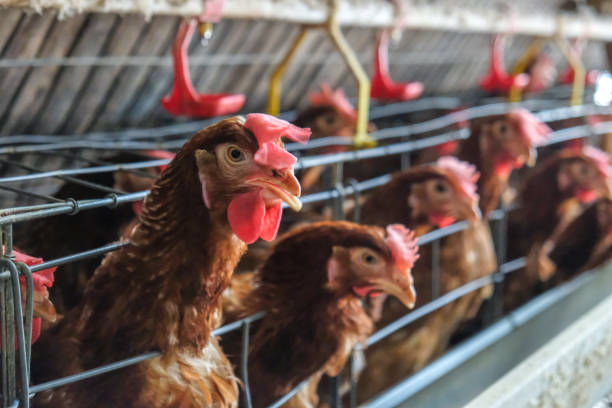
Watering Systems: Reliable and accessible watering systems are essential for broiler health. Nipple drinkers are a popular choice because they minimize water wastage and contamination. Ensure that the watering system provides adequate water flow and that the nipples are easily accessible to all birds. Regular cleaning and maintenance of the watering system are also important to prevent the growth of bacteria and algae.
Feeding Systems: Automated feeding systems can save labor and ensure that birds receive consistent amounts of feed. Chain feeding systems and auger systems are commonly used in broiler cage operations. The feeding system should be designed to minimize feed wastage and ensure that all birds have access to feed. Consider using feed troughs with dividers to prevent birds from competing for feed.
Affordability and Cost-Effectiveness
For many poultry farmers in Africa, affordability is a major concern. It’s essential to consider the long-term cost-effectiveness of broiler cage systems, rather than just the initial purchase price. While the upfront investment may be higher than traditional systems, the benefits of improved productivity, reduced disease, and lower labor costs can quickly offset the initial expense.
Here are some strategies for making broiler cage systems more affordable:
Modular Designs: Opt for modular cage systems that can be expanded as the farm grows. This allows farmers to start with a smaller investment and gradually increase their production capacity.
Local Manufacturing: Consider sourcing cage systems from local manufacturers. This can reduce transportation costs and support local economies. Ensure that the local manufacturer uses high-quality materials and adheres to industry standards.
Financing Options: Explore financing options to help cover the cost of the cage system. Many banks and agricultural organizations offer loans and grants to support poultry farmers.
DIY Construction: In some cases, it may be possible to build parts of the cage system yourself using locally available materials. This can significantly reduce costs, but it’s important to ensure that the construction meets safety and quality standards.
Energy Efficiency: Consider incorporating energy-efficient technologies into the poultry house to reduce operating costs. Solar panels can be used to generate electricity for lighting and ventilation.
Choosing the Right Broiler Cage Supplier
Selecting a reliable supplier is critical for ensuring the success of your broiler cage operation. Here are some factors to consider when choosing a supplier:
Experience and Expertise: Look for a supplier with a proven track record in providing cage systems for broiler farms. Choose a supplier that understands the specific challenges of poultry farming in Africa and can offer tailored solutions.
Quality of Materials: Ensure that the supplier uses high-quality materials that are durable and resistant to corrosion. Ask for certifications and guarantees to ensure that the materials meet industry standards.
Design and Customization: Choose a supplier that can customize the cage system to meet your specific needs. Consider your farm size, climate, and management practices when designing the system.
Installation and Support: Ask about installation services and ongoing technical support. The supplier should be able to provide training on how to operate and maintain the cage system.
After-Sales Service: Ensure that the supplier offers reliable after-sales service, including spare parts and maintenance support. Choose a supplier with a local presence or a strong network of distributors in your region.
References and Testimonials: Ask for references from other poultry farmers who have used the supplier’s cage systems. Contact these references to get their feedback on the quality of the products and services.
Conclusion
Broiler poultry cage systems offer a sustainable and efficient solution for intensifying broiler production in Africa. By providing a controlled environment, these systems can improve bird health, reduce disease transmission, and maximize feed conversion. When designing and selecting a cage system, it’s essential to consider the specific challenges of the African climate and choose durable, affordable materials. By working with a reliable supplier and implementing best management practices, poultry farmers can unlock the full potential of broiler cage systems and achieve greater profitability. Embracing modern broiler cage technology can contribute significantly to the growth and sustainability of the poultry industry in Africa, ensuring food security and improving livelihoods for farmers across the continent. Investing in broiler cage solutions is not just about increasing production; it’s about building a more resilient and efficient poultry industry for the future.