Layer Chicken Cages for Sale: Optimize Your Egg Production Today
Layer Chicken Cages for Sale: Optimize Your Egg Production Today
For poultry farmers aiming to maximize egg production efficiency, selecting the right layer chicken cages is a game-changer. These cages provide a controlled environment that enhances the well-being of your hens, reduces disease outbreaks, and simplifies egg collection. With a plethora of options available in the market, it’s crucial to understand the different types of layer chicken cages and how they can optimize your egg production. This comprehensive guide will walk you through everything you need to know about layer chicken cages for sale, ensuring you make an informed decision that boosts your poultry business.
Understanding Layer Chicken Cages
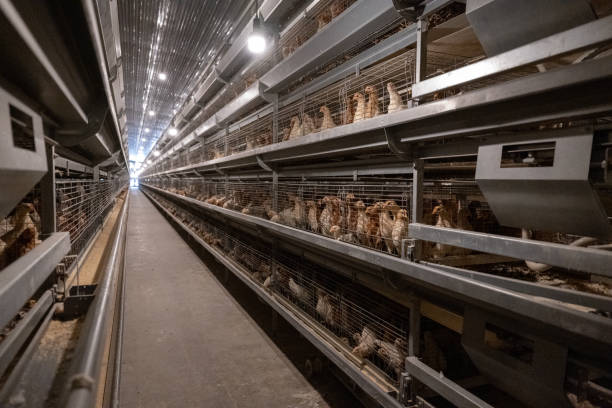
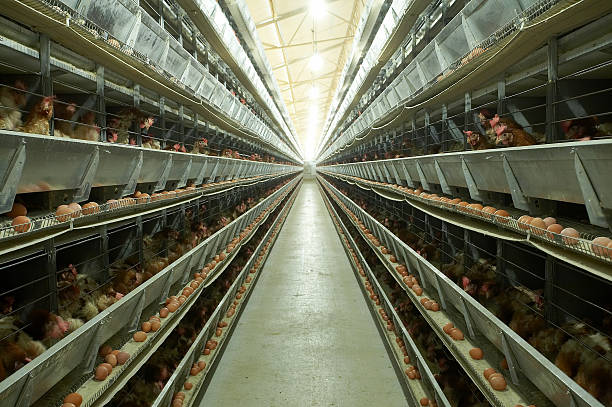
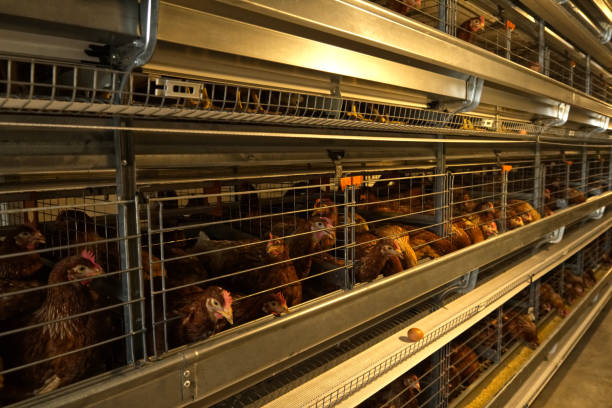
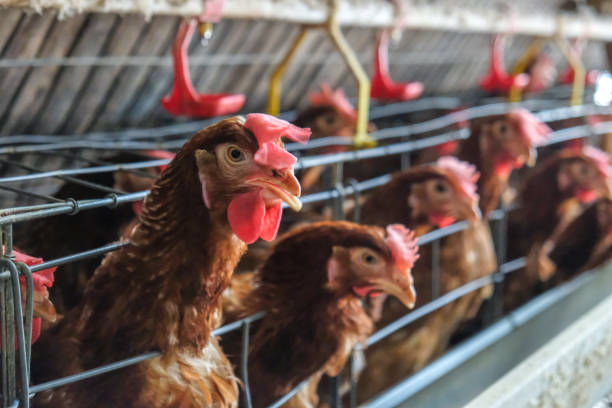
Layer chicken cages, also known as battery cages or laying cages, are housing systems designed specifically for egg-laying hens. These systems typically consist of rows of interconnected cages, providing a comfortable and controlled environment for the chickens. The primary goal of using layer chicken cages is to improve egg production efficiency and overall farm management. These cages can be tailored to different flock sizes, making them a versatile solution for both small-scale and large-scale poultry operations.
Types of Layer Chicken Cages
There are several types of layer chicken cages available on the market, each with its own set of advantages and disadvantages. Understanding these differences is essential for selecting the right cage system for your specific needs.
A-Frame Cages
A-frame cages are one of the most common types of layer chicken cages. They are structured in an A-shape, with cages stacked on top of each other. This design maximizes the use of vertical space, making them ideal for farms with limited land.
Advantages:
Space Efficiency: A-frame cages utilize vertical space, allowing for a higher density of chickens per square foot.
Cost-Effective: They are generally more affordable compared to other cage systems.
Easy Management: The design simplifies feeding, watering, and egg collection.
Disadvantages:
Ventilation: Can sometimes suffer from poor ventilation if not properly managed, need proper ventilation planning.
Waste Management: Waste can sometimes accumulate in lower cages if the cleaning system is not efficient.
H-Frame Cages
H-frame cages are designed with a horizontal structure, where cages are arranged side by side and stacked vertically. This design offers better accessibility and improved ventilation compared to A-frame cages.
Advantages:
Improved Ventilation: The horizontal layout promotes better air circulation, reducing the risk of respiratory diseases.
Easier Access: Farmers can easily access each cage for inspection, feeding, and egg collection.
Efficient Waste Removal: Often equipped with automated waste removal systems, improving hygiene.
Disadvantages:
Higher Cost: H-frame cages are typically more expensive than A-frame cages.
More Space Required: The horizontal design might require more floor space compared to A-frame cages.
Flat Deck Cages
Flat deck cages consist of single-tier or multi-tier cages arranged on a flat surface. These cages are suitable for smaller poultry operations or farms with specific space constraints.
Advantages:
Simple Design: Easy to install and maintain.
Flexibility: Can be easily adapted to different farm layouts.
Lower Initial Investment: Generally more affordable for small-scale farmers.
Disadvantages:
Lower Space Efficiency: Less space-efficient compared to A-frame or H-frame cages.
Manual Labor: Egg collection and waste removal are typically manual, requiring more labor.
Manure Removal System
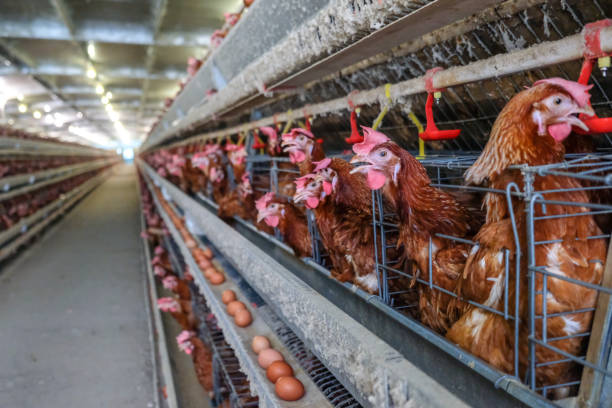
The waste removal system is an essential component of any layer chicken cage system. Efficient waste management not only improves hygiene but also reduces the risk of disease outbreaks and ammonia buildup.
Advantages:
Improved Hygiene: Automated waste removal systems ensure a cleaner environment for the chickens.
Reduced Labor Costs: Minimizes the need for manual labor.
Better Air Quality: Reduces ammonia levels, improving the overall air quality in the poultry house.
Types:
Scraper System: A mechanical scraper removes waste from under the cages.
Belt System: Waste is collected on a conveyor belt and transported out of the poultry house.
Factors to Consider When Choosing Layer Chicken Cages
When selecting layer chicken cages for your poultry farm, several factors must be taken into account to ensure you make the best decision for your operation.
Flock Size
The size of your flock is a primary consideration. Different cage systems are designed to accommodate different numbers of chickens. Ensure that the cage system you choose can comfortably house your entire flock without overcrowding.
Space Availability
The amount of space available in your poultry house will influence the type of cage system you can install. A-frame cages are ideal for maximizing vertical space, while H-frame cages require more horizontal space.
Budget
Your budget is a crucial factor. Layer chicken cages vary in price depending on the type, materials, and features. Consider the long-term benefits, such as increased egg production and reduced labor costs, when evaluating the cost of different cage systems.
Climate Conditions
The climate in your region can affect the type of cage system you should choose. In warmer climates, good ventilation is essential to prevent heat stress in chickens. In colder climates, insulation and heating systems may be necessary to maintain a comfortable environment.
Automation Level
The level of automation you desire will influence your choice of cage system. Automated systems for feeding, watering, egg collection, and waste removal can significantly reduce labor costs and improve efficiency.
Material Quality
The quality of the materials used to construct the cages is important for durability and longevity. Look for cages made from high-quality galvanized steel or other corrosion-resistant materials.
Ease of Maintenance
Choose a cage system that is easy to maintain and clean. Regular maintenance will help prolong the life of the cages and ensure a healthy environment for your chickens.
Egg Collection System
An efficient egg collection system is essential for minimizing egg breakage and labor costs. Consider cages with automated egg collection systems that gently transport eggs to a central collection point.
Feeding and Watering Systems
The feeding and watering systems should provide easy access for all chickens. Look for systems that minimize feed waste and ensure a constant supply of clean water.
Benefits of Using Layer Chicken Cages
Investing in layer chicken cages offers numerous benefits for poultry farmers, ultimately leading to increased profitability and efficiency.
Increased Egg Production
Layer chicken cages provide a controlled environment that optimizes egg production. Chickens are protected from predators, extreme weather conditions, and diseases, allowing them to lay more eggs.
Improved Hygiene
Cages help keep chickens clean and reduce the risk of disease outbreaks. Waste management systems remove manure regularly, minimizing the buildup of harmful bacteria and ammonia.
Reduced Labor Costs
Automated cage systems reduce the need for manual labor. Feeding, watering, egg collection, and waste removal can be automated, saving time and money.
Better Space Utilization
Cages maximize the use of available space. Multi-tier cage systems allow you to house more chickens per square foot, increasing your overall production capacity.
Enhanced Monitoring
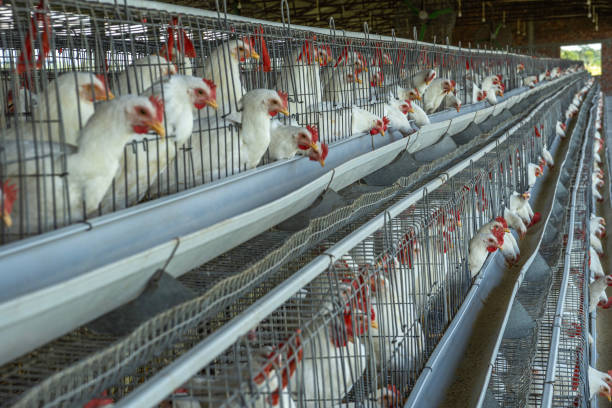
Cages make it easier to monitor the health and productivity of individual chickens. You can quickly identify any problems and take corrective action. Individual Bird management and monitoring the egg-laying of birds in an easy and effective way.
Effective Disease Control
Layer chicken cages facilitate better disease control. By limiting contact between birds and the environment, the spread of diseases is minimized.
Reduced Egg Breakage
Automated egg collection systems gently transport eggs to a central collection point, reducing the risk of breakage and loss.
Optimized Feeding and Watering
Cages ensure that all chickens have access to feed and water. This helps to maintain consistent growth and egg production.
Extended Lifespan of Equipment
Well-maintained cages can last for many years, providing a long-term return on your investment.
Prevention of cannibalism
The layer chicken cage can effectively prevent the chickens from fighting, thus reducing the phenomenon of cannibalism
How to Optimize Egg Production with Layer Chicken Cages
To maximize egg production with layer chicken cages, it’s essential to implement best practices for management and care.
Proper Ventilation
Ensure adequate ventilation in the poultry house to maintain good air quality. Install fans and ventilation systems to remove stale air and introduce fresh air.
Temperature Control
Maintain a consistent temperature in the poultry house. Chickens are sensitive to temperature fluctuations, which can affect egg production.
Lighting Management
Provide adequate lighting to stimulate egg production. A consistent lighting schedule is essential for maintaining high egg yields.
Quality Feed
Feed your chickens a balanced diet that is specifically formulated for egg-laying hens. Ensure that they have access to fresh, clean water at all times.
Regular Health Checks
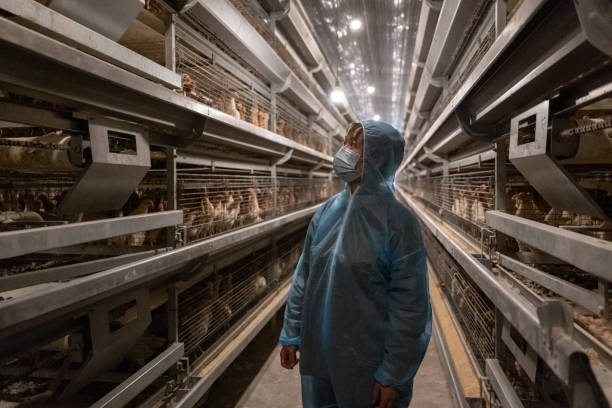
Monitor the health of your chickens regularly. Look for signs of illness or stress and take corrective action immediately.
Waste Management
Maintain a clean environment by regularly removing waste. This will help prevent disease outbreaks and improve air quality.
Pest Control
Implement a pest control program to prevent infestations. Pests can transmit diseases and cause stress to chickens.
Staff Training
Provide adequate training to your staff on proper cage management and chicken care. Well-trained staff will be better equipped to identify and address any problems that may arise.
Monitor Egg Production
Keep track of egg production to identify any trends or anomalies. This will help you to optimize your management practices and maximize egg yields.
Provide Enrichment
Although chickens in cages have limited space, providing enrichment can improve their well-being and reduce stress. Consider adding perches or other items to the cages to give the chickens something to do.
Final Thoughts
Investing in high-quality layer chicken cages is a strategic decision that can significantly enhance your egg production and overall farm efficiency. By understanding the different types of cages available, considering the key factors when making your selection, and implementing best practices for management, you can optimize your poultry operation and achieve greater profitability. Explore the market, compare your options, and choose a layer chicken cage system that meets your specific needs and goals. A well-chosen layer chicken cage system is not just an expense; it’s an investment in the future of your poultry farm.