Cost-Effective Layer Chicken Cages in Kenya: Maximizing Profitability
Cost-Effective Layer Chicken Cages in Kenya: Maximizing Profitability
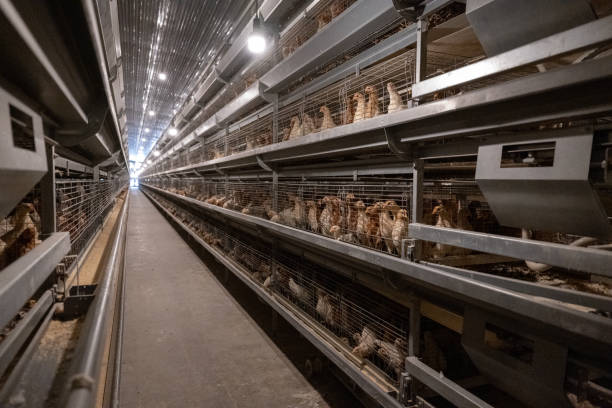
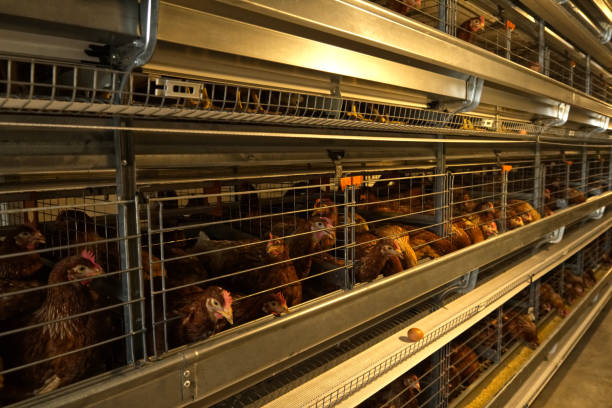
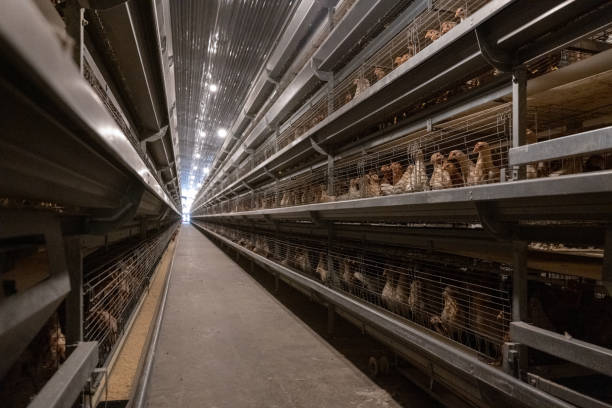
Kenya’s poultry industry is a vibrant and growing sector, offering significant opportunities for farmers looking to improve their livelihoods. Layer chicken farming, in particular, can be a profitable venture when managed efficiently. A crucial aspect of efficient layer farming is the choice of housing system, and cost-effective layer chicken cages are increasingly becoming a popular option among Kenyan farmers. Layer chicken cages designed for optimal space utilization, improved hygiene, and ease of management, play a pivotal role in maximizing profitability.
This article explores the benefits of cost-effective layer chicken cages in Kenya, focusing on how they can help farmers optimize production, reduce costs, and ultimately achieve greater profitability.
Why Choose Layer Chicken Cages?
Before diving into the specifics of cost-effectiveness, it’s essential to understand the advantages of using layer chicken cages compared to other housing systems like deep litter. Layer cages offer a multitude of benefits that can significantly impact a farmer’s bottom line:
Increased Space Utilization: Cages allow for a higher stocking density, meaning you can house more birds in the same area compared to a free-range or deep litter system. This is particularly important in Kenya, where land can be a valuable and limited resource.
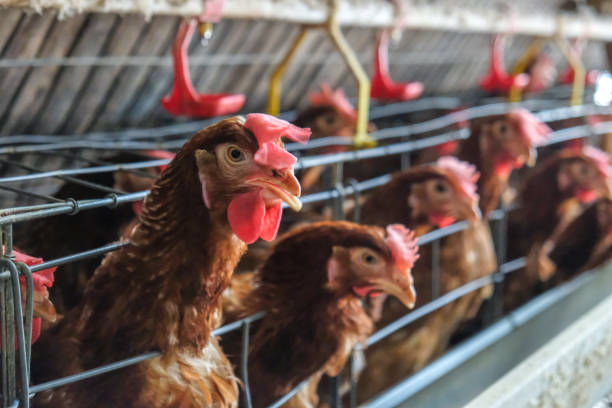
Improved Hygiene: Cages elevate the chickens above the manure, preventing them from walking and scratching in their waste. This reduces the risk of disease outbreaks and minimizes the need for costly medications. The environment that is created inhibits the growth and transmission of harmful bacteria.
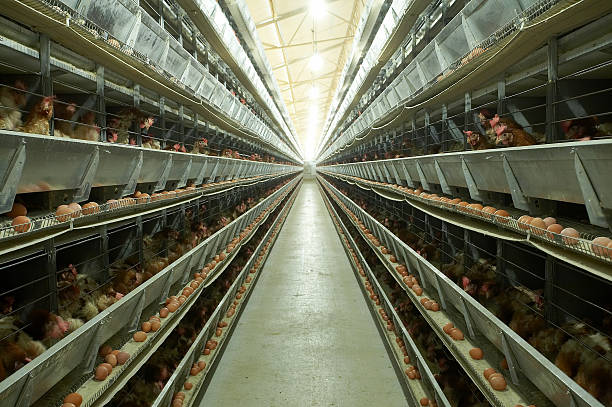
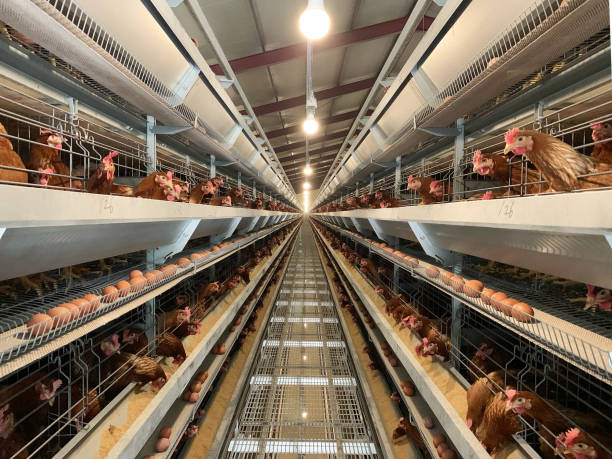
Easier Egg Collection: Eggs roll out of the cages and are easily collected, reducing the chances of breakage or being soiled by the chickens. This saves time and labor, and ensures a higher percentage of marketable eggs.
Better Management: Cages make it easier to monitor individual birds, identify sick or underperforming hens, and provide targeted care. This allows for early intervention and prevents the spread of diseases, as well as allowing the egg producer to keep more accurate records.
Reduced Feed Wastage: Cages are designed to minimize feed spillage, as the troughs are typically positioned to prevent chickens from scattering feed. This can lead to significant savings in feed costs, which is the largest expense in layer farming.
Predator Control: Cages provide a secure environment for the chickens, protecting them from predators such as rodents, snakes, and wild birds, particularly where the poultry production process is done outside.
Uniform Egg Production: The controlled environment within a cage system helps to maintain consistent egg production throughout the year, even during adverse weather conditions.
Cost-Effectiveness: What Does It Really Mean?
When we talk about “cost-effective” layer chicken cages, we’re not just referring to the initial purchase price. It’s about considering the entire lifecycle cost of the system, including:
Initial Investment: This includes the cost of the cages themselves, as well as any necessary infrastructure such as housing, water systems, and feeding systems.
Operational Costs: These are the ongoing expenses associated with running the cage system, such as electricity, water, labor, and maintenance.
Revenue Generation: This refers to the income generated from the sale of eggs, which is the primary source of revenue in layer farming.
A truly cost-effective cage system is one that minimizes the initial investment and operational costs while maximizing revenue generation. This requires careful consideration of several factors.
Factors Affecting Cost-Effectiveness
Several key factors influence the cost-effectiveness of layer chicken cages in Kenya:
Cage Design and Materials: The design and materials used in the construction of the cages have a significant impact on their durability, lifespan, and overall cost. High-quality, galvanized steel cages, can withstand harsh weather conditions and resist corrosion, resulting in a longer lifespan and lower replacement costs. Cage types include A-frame cages and H-frame cages. A-frame layer cages are suitable for small and medium-sized poultry farms, which are cost-effective and easy to operate and maintain. H-frame layer cages are suitable for large-scale poultry farms, which are automated and intensive.
Cage Capacity and Density: The number of birds that can be housed in each cage, as well as the overall stocking density, affects the initial investment cost per bird. Optimizing cage capacity and density is crucial for maximizing space utilization without compromising bird welfare or egg production.
Feeding and Watering Systems: Efficient feeding and watering systems can significantly reduce feed wastage and labor costs. Automatic systems, although more expensive upfront, can save time and money in the long run.
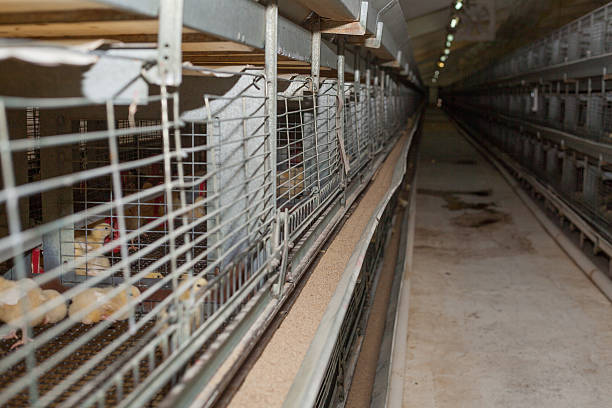
Manure Management: Effective manure management is essential for maintaining hygiene and reducing the risk of disease. Cage systems that facilitate easy manure removal can save labor costs and improve overall farm sanitation. Options here include manual and automatic manure removal systems, each with individual benefits and drawbacks.
Climate Control: In Kenya’s diverse climate, climate control measures such as ventilation and cooling systems may be necessary to maintain optimal temperatures and humidity levels within the chicken house. This can increase initial and operational costs, but it can also improve egg production and reduce mortality rates, potentially offsetting the increased expenses.
Labor Costs: Labor costs can be a significant expense in layer farming. Cage systems that are designed for ease of management and automation can reduce the need for manual labor, leading to significant cost savings.
Egg Collection Efficiency: The ease and efficiency of egg collection can impact both labor costs and the percentage of marketable eggs. Cage systems with automatic egg collection systems can minimize egg breakage and reduce the need for manual labor making it an effective process.
Disease Prevention: Investments in biosecurity measures, such as proper ventilation, sanitation, and vaccination programs, can prevent disease outbreaks and reduce the need for costly medications.
Energy Efficiency: Energy consumption can be a significant operational cost, especially for farms that rely on electricity for lighting, ventilation, and heating. Choosing energy-efficient equipment and implementing energy-saving practices can reduce overall costs.
Government Regulations and Subsidies: Government regulations and subsidies can also affect the cost-effectiveness of layer chicken cages. For example, some governments may offer subsidies for farmers who adopt environmentally friendly housing systems.
How to Choose the Right Cage System
Selecting the right layer chicken cage system is a critical decision that can significantly impact the profitability of your farm. Here are some factors to consider when making your choice:
Farm Size and Capacity: The size of your farm and the number of birds you plan to house will determine the appropriate cage system capacity and layout.
Budget: Determine your budget for the cage system, taking into account the initial investment cost, operational costs, and potential revenue generation.
Climate Conditions: Consider the climate conditions in your area and choose a cage system that can withstand harsh weather conditions and provide adequate ventilation and temperature control.
Labor Availability: Assess the availability of labor and choose a cage system that is easy to manage and requires minimal manual labor.
Egg Collection and Manure Removal Methods: Decide on the egg collection and manure removal methods that best suit your needs and budget.
Supplier Reputation and Support: Choose a reputable supplier who offers high-quality cages, reliable after-sales service, and technical support.
Bird Welfare Considerations: Ensure that the cage system provides adequate space, ventilation, and access to food and water to meet the welfare needs of the chickens.
Regulations and Standards: Ensure that the cage system meets all relevant government regulations and industry standards.
Tips for Maximizing Profitability with Layer Chicken Cages
Once you have chosen the right layer chicken cage system, here are some tips for maximizing profitability:
Optimize Stocking Density: Find the optimal stocking density for your cage system, balancing space utilization with bird welfare and egg production.
Provide High-Quality Feed and Water: Ensure that your chickens have access to high-quality feed and water at all times.
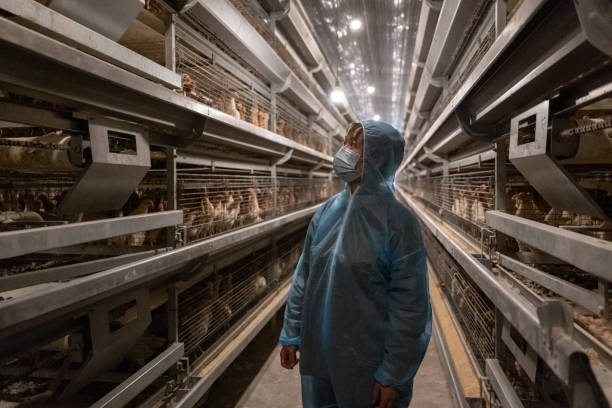
Implement a Strict Biosecurity Program: Implement a strict biosecurity program to prevent the spread of disease and minimize the need for costly medications.
Monitor Bird Health and Egg Production: Regularly monitor bird health and egg production to identify any problems early on.
Maintain the Cage System Regularly: Maintain the cage system regularly to prevent breakdowns and extend its lifespan.
Implement Efficient Manure Management Practices: Implement efficient manure management practices to reduce odors, prevent pollution, and potentially generate revenue from compost.
Keep Accurate Records: Keep accurate records of all expenses and revenue to track profitability and identify areas for improvement.
Seek Expert Advice: Don’t hesitate to seek advice from poultry experts and experienced farmers to improve your farming practices.
Proper Ventilation: Adequate ventilation is critical for removing ammonia and preventing respiratory problems. Ensure your chicken house has sufficient ventilation to keep the air fresh and clean.
Lighting Management: Implement a proper lighting program to stimulate egg production. Provide the optimal light intensity and duration to maximize egg laying.
Pest Control: Regularly inspect your chicken house for pests such as rodents and insects. Implement pest control measures to prevent infestations and protect your chickens from disease.
The Future of Layer Chicken Cages in Kenya
The use of layer chicken cages in Kenya is expected to continue to grow in the coming years, driven by the increasing demand for eggs and the need for more efficient and sustainable farming practices. Technological advancements are leading to the development of more sophisticated and cost-effective cage systems, further enhancing their appeal to Kenyan farmers.
However, it is important to note that there is growing concern about animal welfare in intensive farming systems. As a result, there is increasing pressure on farmers to adopt more humane housing systems.
Conclusion
Cost-effective layer chicken cages can be a valuable investment for Kenyan farmers looking to maximize profitability. By carefully considering the factors discussed in this article and implementing best management practices, farmers can optimize production, reduce costs, and achieve greater success in the layer chicken farming industry. Remember that choosing the right system is crucial, and continuous learning and adaptation are essential for long-term success.