Understanding Layer Chicken Cage Price Variations in Kenya
Understanding Layer Chicken Cage Price Variations in Kenya
Kenya’s poultry farming sector is experiencing rapid growth, with layer farming playing a pivotal role in meeting the rising demand for eggs. One of the key investments for any aspiring or established layer farmer is the housing system, and layer chicken cages are a popular choice. However, the cost of layer chicken cages in Kenya can vary significantly, making it crucial for farmers to understand the factors influencing these price variations to make informed purchasing decisions.
Factors Influencing Layer Chicken Cage Prices in Kenya
Several elements contribute to the price of layer chicken cages in Kenya. Understanding these factors is essential for farmers seeking to balance their investment with optimal performance and longevity.
Material and Construction Quality
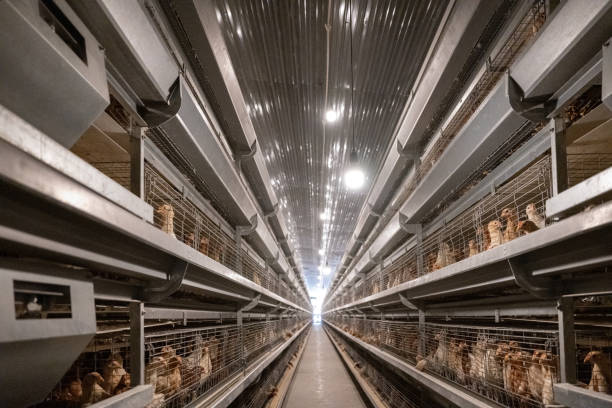
The type and quality of materials used in manufacturing the cages significantly affect the price. Cages made from high-quality galvanized steel, known for its durability and resistance to rust, tend to be more expensive than those made from lower-grade materials. Galvanization is crucial for preventing corrosion caused by chicken manure and cleaning agents, ensuring the cage’s longevity.
The construction method also plays a role. Well-welded joints, proper finishing, and sturdy design contribute to the cage’s overall strength and durability, justifying a higher price point. Farmers should inspect the cage construction to ensure it can withstand the daily wear and tear of layer farming.
Cage Capacity and Size
The capacity of the cage, which refers to the number of birds it can house, directly influences the price. Larger cages designed to accommodate more chickens will naturally cost more due to the increased material and manufacturing requirements. Layer cages are generally available in different tiers and lengths, affecting the overall capacity.
Similarly, the size of the cage, including its height, width, and depth, impacts the price. Cages designed to provide ample space for each bird to move, feed, and lay eggs comfortably may have a higher initial cost but contribute to better bird welfare and potentially improved egg production.
Cage Type and Design Features
Layer chicken cages come in various designs, including:
A-Frame Cages: These are typically more affordable and easier to install, making them a popular choice for small-scale farmers. They offer sufficient space for chickens but may require more manual labor for egg collection and manure removal.
H-Frame Cages: These are designed for larger operations and offer multiple tiers, maximizing space utilization. H-frame cages often incorporate automated systems for feeding, watering, and manure removal, reducing labor costs but increasing the initial investment.
Flat Deck Cages: These provide a flat surface for the birds and are suitable for various farm sizes. They are designed to facilitate easy access to the birds for management and inspection, offering a balance between cost and functionality.
The incorporation of automated systems, such as automatic feeding, drinking, and manure removal, can significantly increase the price of the cages. While these features require a higher initial investment, they can result in long-term cost savings by reducing labor requirements and improving overall efficiency.
Features like egg collection systems, adjustable feeding troughs, and nipple drinking systems can also contribute to price variations. Farmers should consider the specific features that align with their operational needs and budget.
Supplier and Brand Reputation
The reputation and brand of the supplier play a crucial role in determining the price. Established suppliers with a proven track record of delivering high-quality products and reliable after-sales service may charge a premium. These suppliers often offer warranties, installation support, and maintenance services, providing farmers with added value and peace of mind.
Local manufacturers may offer more competitive prices due to lower overhead costs and reduced transportation expenses. However, it is essential to verify the quality and durability of their products to ensure they meet the specific requirements of layer farming.
Imported cages from countries like China may offer a wider range of options and competitive pricing. However, farmers should consider potential import duties, shipping costs, and the availability of after-sales support when making their decision.
Production Volume and Economies of Scale
The volume of cages produced by the manufacturer can influence the price due to economies of scale. Manufacturers that produce cages in large quantities can often offer lower prices per unit because of the reduced production costs associated with bulk purchasing and streamlined manufacturing processes.
Farmers who require a large number of cages may be able to negotiate better prices with manufacturers, especially if they are willing to commit to a long-term purchasing agreement.
Transportation and Installation Costs
Transportation costs can significantly impact the final price of layer chicken cages, especially for farmers located far from the manufacturing facility or distribution center. The cost of transporting cages depends on factors such as distance, mode of transportation, and fuel prices.
Installation costs also need to be considered. Some suppliers offer installation services as part of the package, while others require farmers to handle the installation themselves. The complexity of the cage design and the need for specialized equipment can influence the installation costs.
Market Demand and Economic Factors
Market demand for layer chicken cages and prevailing economic conditions can influence prices. During periods of high demand, suppliers may increase prices to capitalize on the increased interest. Economic factors such as inflation, exchange rates, and government policies can also affect the prices of raw materials and manufacturing costs, ultimately impacting the final price of the cages.
Farmers should monitor market trends and economic indicators to anticipate potential price fluctuations and make informed purchasing decisions.
Types of Layer Chicken Cages Available in Kenya
The Kenyan market offers various types of layer chicken cages to cater to different farming needs and budgets. Here’s a closer look at some common options:
Conventional Battery Cages
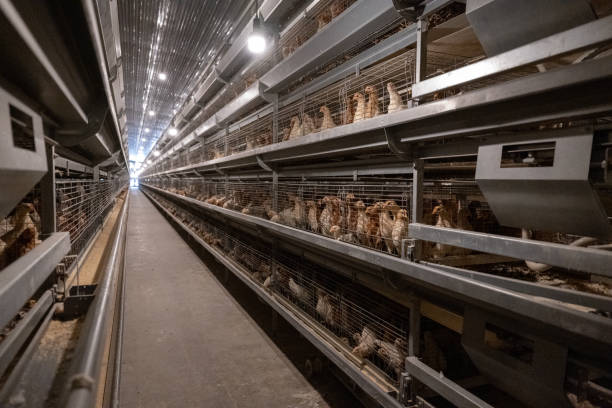
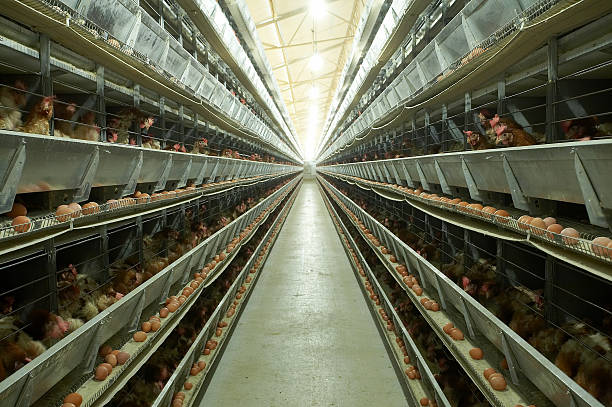
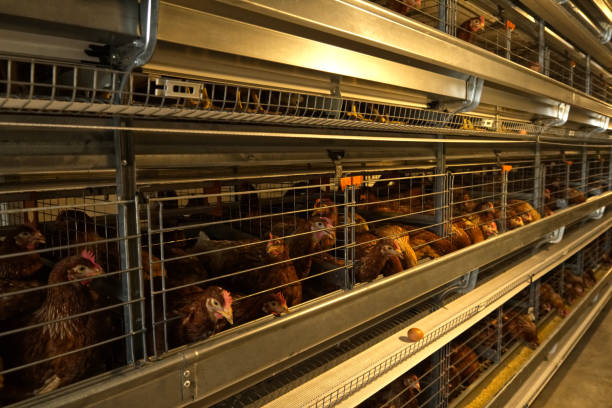
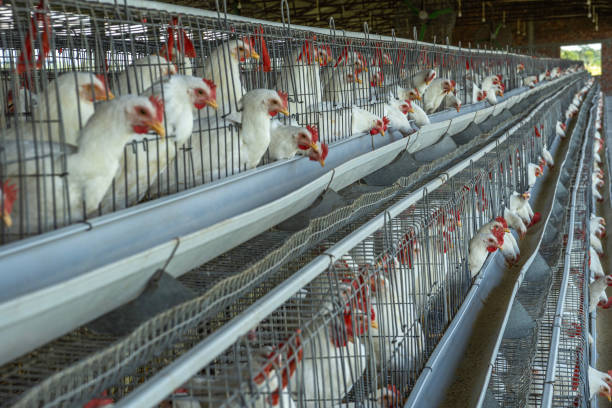
These are the most common type of layer chicken cages, consisting of small, individual compartments arranged in rows and tiers. They are designed to maximize space utilization and are suitable for large-scale operations. Conventional battery cages are typically made of galvanized steel and offer basic features such as feeding and watering systems.
Enriched Cages
Enriched cages provide more space and amenities for the birds compared to conventional battery cages. They may include features such as perches, scratch pads, and nesting areas to promote natural behaviors and improve bird welfare. Enriched cages are becoming increasingly popular as consumers demand higher standards of animal welfare.
Manure Removal Systems
Manual Manure Removal: Labour-intensive, requiring workers to physically remove manure.
Semi-Automatic Systems: Utilize mechanical scrapers to partially automate the manure removal process, reducing labor to some extent.
Fully Automatic Systems: Employ conveyor belts or other mechanisms to automatically remove manure from the cages, significantly reducing labor costs and improving hygiene.
Feeding Systems
Manual Feeding: Involves distributing feed manually using troughs or feeders. This method is labor-intensive and can lead to uneven feed distribution.
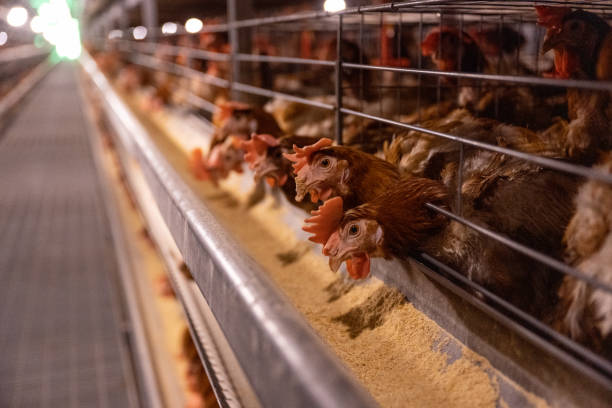
Automatic Feeding: Utilizes automated feeding systems to distribute feed evenly to all birds at predetermined intervals. Automatic feeding systems can save labor and improve feed efficiency.
Drinking Systems
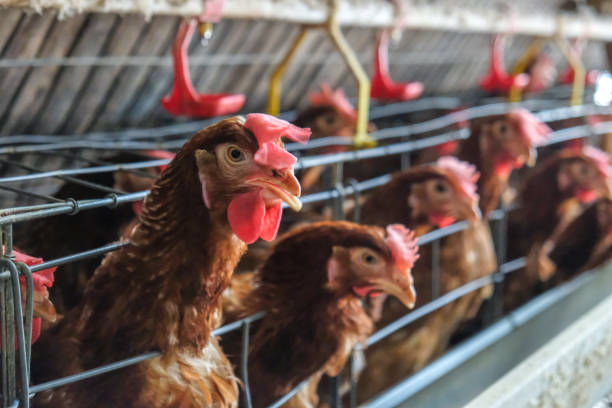
Nipple Drinking Systems: Nipple drinkers are a popular choice for layer chicken cages due to their hygienic design and reduced water wastage. They provide a constant supply of fresh water to the birds.
Trough Drinking Systems: Trough drinkers are a simpler and more affordable option. However, they can be prone to contamination and water wastage.
Tips for Finding the Best Deals on Layer Chicken Cages in Kenya
Finding the right layer chicken cages at the best price requires careful research and planning. Here are some practical tips to help Kenyan farmers make informed purchasing decisions:
Conduct Thorough Research
Before making a purchase, research different suppliers, cage types, and features. Compare prices, quality, and warranty offerings to identify the best options for your specific needs. Online platforms, agricultural exhibitions, and farmer networks can be valuable resources for gathering information.
Request Multiple Quotes
Obtain quotes from multiple suppliers to compare prices and negotiate better deals. Be sure to provide suppliers with detailed specifications for your cage requirements to ensure accurate quotations.
Consider Local Manufacturers
Explore the option of purchasing cages from local manufacturers. Local manufacturers may offer more competitive prices and faster delivery times. However, it is essential to verify the quality and durability of their products before making a purchase.
Evaluate Used Cages
Consider purchasing used layer chicken cages as a cost-effective alternative. Used cages can be a good option for farmers on a tight budget. However, thoroughly inspect the cages for damage or wear and tear before making a purchase. Ensure that the used cages are properly cleaned and disinfected before introducing new birds.
Take Advantage of Discounts and Promotions
Keep an eye out for discounts, promotions, and seasonal sales offered by suppliers. Many suppliers offer discounts on bulk purchases or during specific times of the year.
Negotiate Payment Terms
Negotiate favorable payment terms with suppliers. Some suppliers may offer installment payment options or discounts for upfront payments.
Long-Term Cost Considerations
While the initial price of layer chicken cages is an important consideration, farmers should also factor in the long-term costs associated with cage ownership.
Durability and Maintenance
Choose cages made from durable materials that can withstand the harsh conditions of poultry farming. Consider the ease of maintenance and the availability of spare parts. Cages that require frequent repairs or replacements can end up costing more in the long run.
Egg Production
The design and features of the cages can impact egg production. Cages that provide adequate space, comfort, and access to feed and water can help optimize egg production.
Operational Efficiency
Automated systems for feeding, watering, and manure removal can improve operational efficiency and reduce labor costs. While these features may increase the initial cost of the cages, they can result in significant long-term cost savings.
Bird Welfare
Consider the welfare of the birds when selecting layer chicken cages. Cages that promote natural behaviors and provide a comfortable environment can improve bird health and productivity.
Understanding the factors influencing layer chicken cage prices in Kenya is crucial for farmers to make informed purchasing decisions. By considering factors such as material quality, cage capacity, design features, supplier reputation, and transportation costs, farmers can find the right cages at the best price for their specific needs. Additionally, evaluating the long-term costs associated with cage ownership, such as durability, maintenance, egg production, operational efficiency, and bird welfare, is essential for maximizing profitability and sustainability in layer farming.