Investing in Automatic Chicken Cage Equipment: A Guide for African Poultry Farmers
Investing in Automatic Chicken Cage Equipment: A Guide for African Poultry Farmers
Africa’s poultry industry is experiencing a boom, driven by increasing population, rising incomes, and changing consumption patterns. As demand for chicken meat and eggs soars, traditional farming methods are struggling to keep pace. This is where automatic chicken cage equipment steps in, offering a pathway to increased efficiency, higher yields, and improved profitability for African poultry farmers. However, investing in such equipment is a significant decision, requiring careful consideration. This guide will walk you through the key aspects to help you make informed choices and maximize your return on investment.
Understanding the Basics: What is Automatic Chicken Cage Equipment?
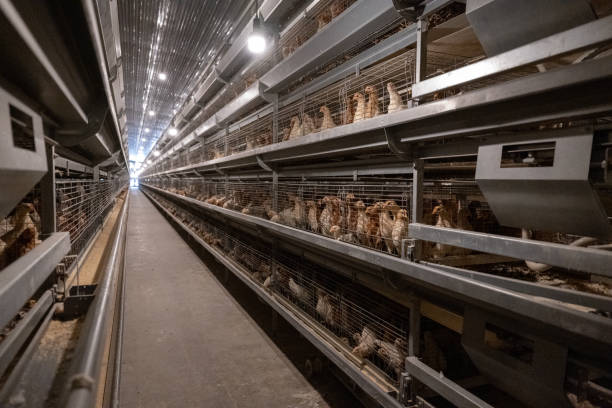
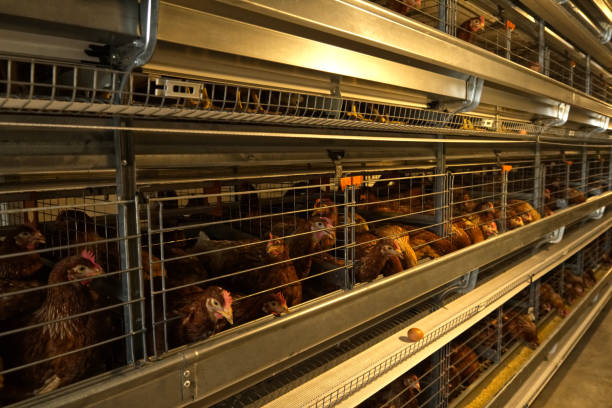
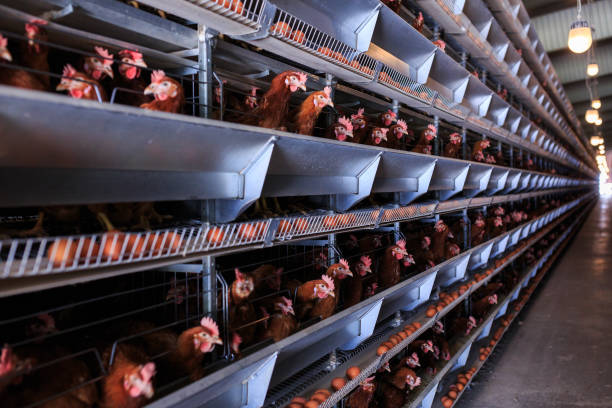
Automatic chicken cage equipment refers to systems designed to automate various aspects of poultry farming, reducing manual labor and improving overall farm management. These systems typically include:
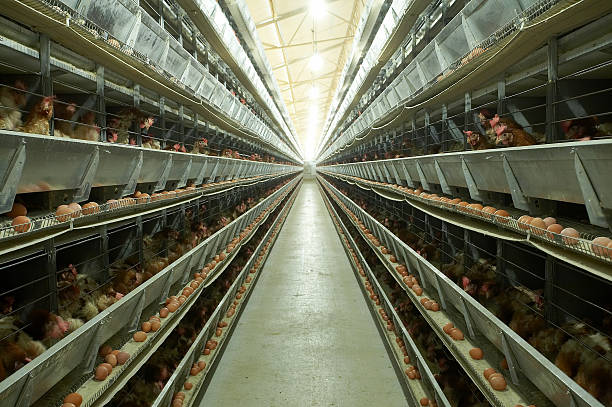
Cages: Specialized housing structures designed to optimize space and bird welfare. They come in various configurations, including A-frame, H-frame, and flat-deck designs.
Automatic Feeding Systems: These systems deliver feed to the chickens at pre-set intervals and in controlled quantities, minimizing waste and ensuring consistent nutrition.
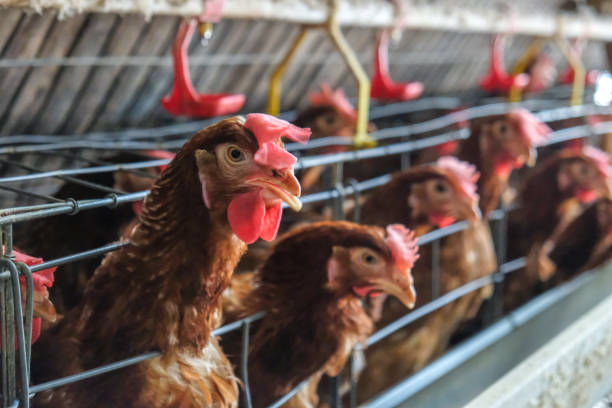
Automatic Drinking Systems: Nipple drinkers or cup drinkers provide a constant supply of fresh, clean water, essential for bird health and productivity.
Manure Removal Systems: These systems automatically remove manure from the cages, improving hygiene and reducing the risk of disease. Scraper systems and belt systems are common.
Egg Collection Systems: In layer farms, automatic egg collection systems gently gather eggs and transport them to a central collection point, reducing breakage and labor costs.
Environmental Control Systems: These systems regulate temperature, humidity, and ventilation within the poultry house, creating optimal conditions for bird growth and egg production.
Why Invest in Automatic Chicken Cage Equipment? The Benefits
Investing in automatic chicken cage equipment offers a multitude of advantages for African poultry farmers:
Increased Efficiency and Productivity: Automation streamlines key processes, reducing the time and labor required for tasks such as feeding, watering, and egg collection. This allows farmers to manage larger flocks with the same or fewer resources, increasing overall productivity.
Improved Bird Welfare: Modern cage designs prioritize bird welfare by providing adequate space, ventilation, and access to food and water. Automated systems ensure consistent environmental conditions, reducing stress and promoting healthy growth.
Reduced Labor Costs: Automation significantly reduces the need for manual labor, a major expense for many poultry farmers. This can free up resources to invest in other areas of the business or to focus on strategic planning.
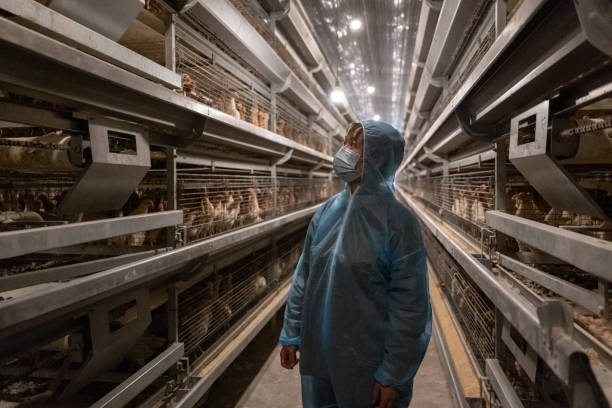
Enhanced Hygiene and Biosecurity: Automatic manure removal systems and controlled environmental conditions minimize the risk of disease outbreaks. This leads to healthier birds and reduced mortality rates.
Improved Egg Quality: Automatic egg collection systems reduce the risk of egg breakage and contamination, leading to higher-quality eggs and improved market value.
Better Feed Conversion Ratio (FCR): Automatic feeding systems ensure that birds receive the correct amount of feed, minimizing waste and improving feed conversion ratio. This translates to lower feed costs and higher profitability.
Data-Driven Management: Many modern systems come equipped with sensors and data logging capabilities, providing farmers with valuable insights into bird performance, environmental conditions, and resource usage. This data can be used to optimize farm management and improve decision-making.
Factors to Consider Before Investing
Before investing in automatic chicken cage equipment, it’s crucial to carefully consider the following factors:
Flock Size and Production Goals: The scale of your operation will determine the type and size of equipment you need. Consider your current flock size, your desired production goals, and your plans for future expansion.
Budget: Automatic chicken cage equipment can be a significant investment. Determine your budget and research different options that fit within your price range. Remember to factor in installation costs, operating costs, and potential maintenance expenses.
Climate: The climate in your region will influence the type of environmental control systems you need. In hot climates, ventilation and cooling systems are essential. In colder climates, heating systems may be necessary.
Local Regulations: Be aware of any local regulations or standards related to poultry farming and animal welfare. Ensure that the equipment you choose complies with these regulations.
Power Supply: Automatic chicken cage equipment requires a reliable power supply. Consider the availability and cost of electricity in your area. If necessary, invest in a backup generator to ensure uninterrupted power supply.
Water Source: Access to clean, fresh water is essential for poultry farming. Ensure that you have a reliable water source and adequate water storage capacity.
Manure Disposal: Consider how you will dispose of the manure generated by your poultry farm. Options include composting, selling it as fertilizer, or using it to generate biogas.
Technical Expertise: Choose a supplier that provides comprehensive training and technical support. Ensure that you have access to skilled technicians who can install, maintain, and repair the equipment.
Supplier Reputation: Research different suppliers and choose one with a proven track record of providing high-quality equipment and excellent customer service. Look for suppliers that offer warranties and guarantees on their products.
Types of Automatic Chicken Cage Equipment
As mentioned before, there are different types of automatic chicken cage equipment available, catering to different needs and budgets.
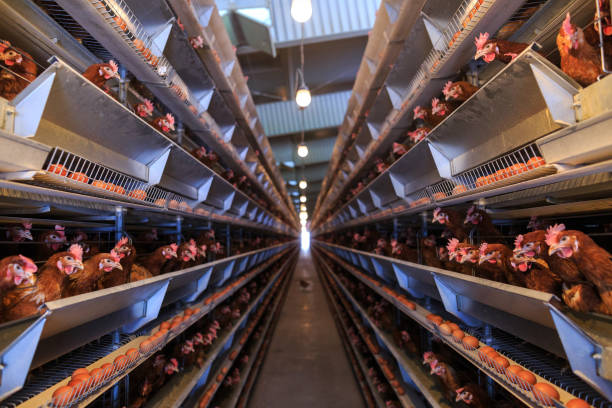
Layer Cages: Designed for egg-laying hens, layer cages typically include features such as automatic feeding, watering, egg collection, and manure removal. A-frame and H-frame designs are common.
Broiler Cages: Designed for meat chickens (broilers), broiler cages are typically larger and more spacious than layer cages. They also include automatic feeding, watering, and manure removal systems.
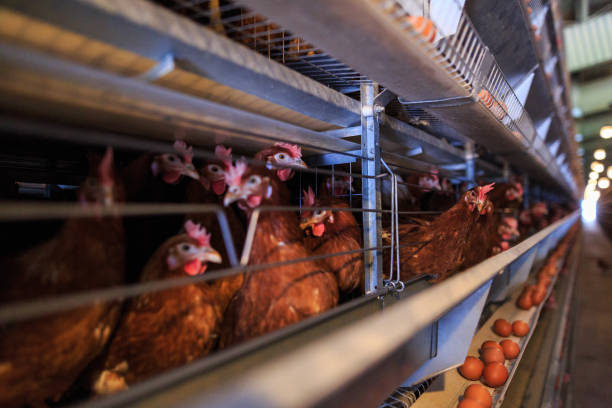
Chick Cages: Designed for young chicks, chick cages provide a safe and controlled environment for early growth. They typically include heating systems and specialized feeding and watering systems.
Choosing the Right Equipment
Selecting the right automatic chicken cage equipment is crucial for the success of your poultry farm. Here are some tips to help you make the right choice:
Visit Existing Farms: Visit other poultry farms that are using automatic chicken cage equipment to see how it works in practice. Talk to the farmers and ask about their experiences.
Consult with Experts: Consult with poultry experts, veterinarians, and agricultural engineers to get their advice on the best equipment for your specific needs.
Request Quotes from Multiple Suppliers: Get quotes from multiple suppliers and compare their prices, features, and services.
Read Reviews and Testimonials: Read online reviews and testimonials from other farmers who have used the equipment you are considering.
Consider the Long-Term Costs: Don’t just focus on the initial purchase price. Consider the long-term operating costs, maintenance costs, and potential repair costs.
Installation and Maintenance
Proper installation and maintenance are essential for ensuring the optimal performance and longevity of your automatic chicken cage equipment.
Professional Installation: Hire experienced technicians to install the equipment. Improper installation can lead to problems and reduce the equipment’s lifespan.
Regular Maintenance: Implement a regular maintenance schedule to keep the equipment in good working order. This includes cleaning, lubrication, and inspection of all components.
Prompt Repairs: Address any problems or malfunctions promptly. Ignoring small problems can lead to bigger, more expensive problems down the road.
Spare Parts: Keep a stock of essential spare parts on hand to minimize downtime in case of repairs.
Training: Ensure that your staff is properly trained on how to operate and maintain the equipment.
Financing Options
Investing in automatic chicken cage equipment can be a significant expense. Explore different financing options to make the investment more affordable:
Bank Loans: Apply for a bank loan to finance the purchase of the equipment.
Government Grants: Check if there are any government grants or subsidies available for poultry farmers.
Equipment Leasing: Consider leasing the equipment instead of buying it. This can be a good option if you don’t have the capital to invest upfront.
Supplier Financing: Some suppliers offer financing options to their customers.
The Future of Poultry Farming in Africa
Automatic chicken cage equipment is revolutionizing the poultry industry in Africa, enabling farmers to increase production, improve efficiency, and enhance profitability. As technology continues to advance, expect to see even more sophisticated and automated systems emerge, further transforming the way poultry is farmed. By embracing these innovations, African poultry farmers can meet the growing demand for chicken products and contribute to food security and economic development in the region.
In summary, investing in automatic chicken cage equipment is a strategic move for African poultry farmers looking to modernize their operations and thrive in a competitive market. By carefully considering the factors outlined in this guide, you can make informed decisions and ensure a successful investment that will benefit your farm for years to come. Remember to prioritize bird welfare, choose reliable suppliers, and invest in proper training and maintenance to maximize the return on your investment. The future of poultry farming in Africa is bright, and automated systems are paving the way for a more efficient, sustainable, and profitable industry.