Maximize Your Poultry Production with Commercial Poultry Cage Systems
Maximize Your Poultry Production with Commercial Poultry Cage Systems
In the modern world of poultry farming, efficiency and productivity reign supreme. Poultry farmers are constantly seeking innovative solutions to optimize their operations, enhance bird welfare, and ultimately, improve their bottom line. Commercial poultry cage systems have emerged as a leading answer to these challenges. These systems, designed for egg-laying hens or broiler chickens, offer a multitude of benefits that can significantly boost your poultry production. Let’s delve into the world of commercial poultry cage systems and explore how they can revolutionize your farm.
**What are Commercial Poultry Cage Systems?**
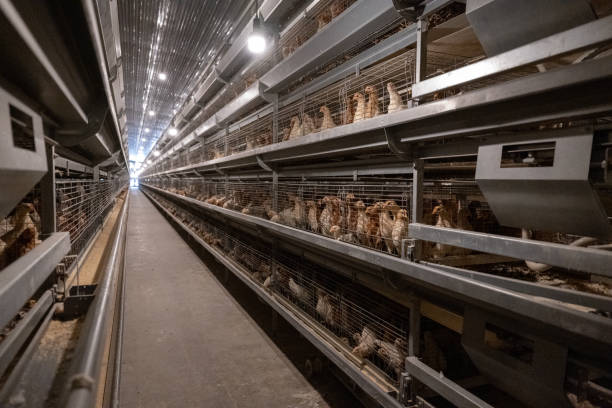
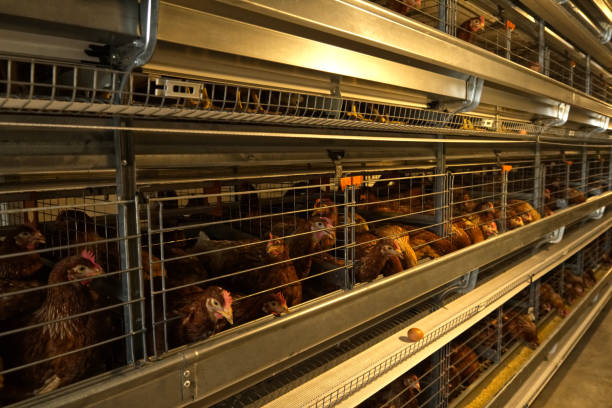
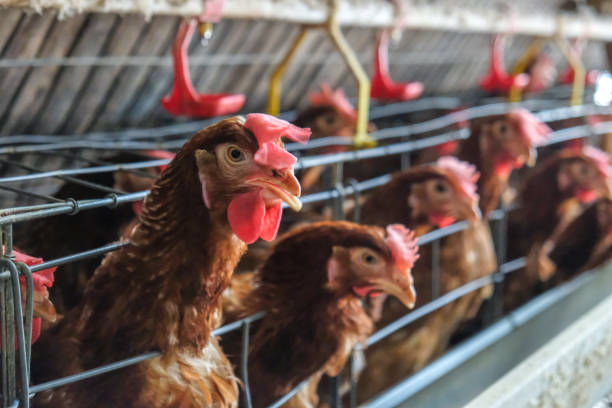
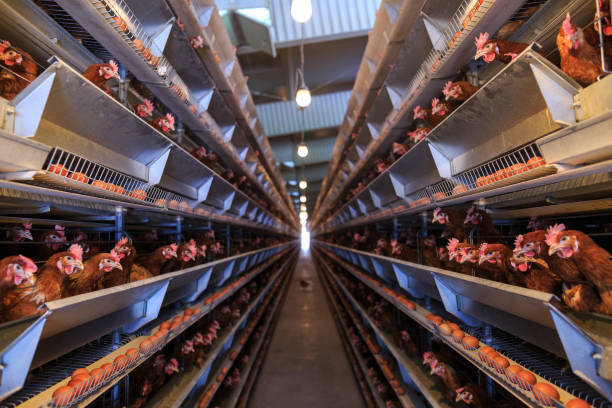
Commercial poultry cage systems are a housing method for poultry that utilizes cages, typically made of wire mesh, to house birds in a controlled environment. These systems are designed to maximize space utilization, improve hygiene, and streamline management practices. There are primarily two types of cage systems:
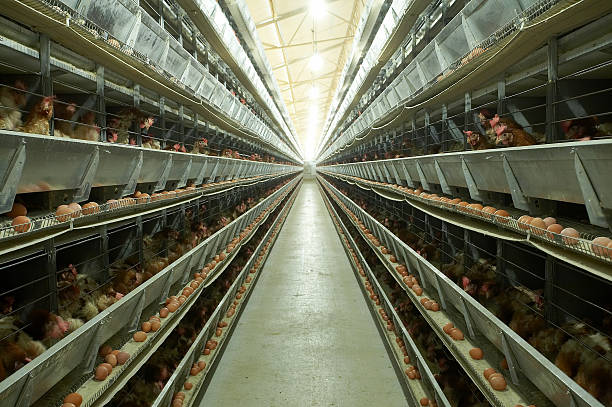
* **Layer Cages:** Designed specifically for egg-laying hens, these cages provide individual or small group housing. They are engineered to facilitate egg collection, feeding, and watering while ensuring hen comfort and welfare.
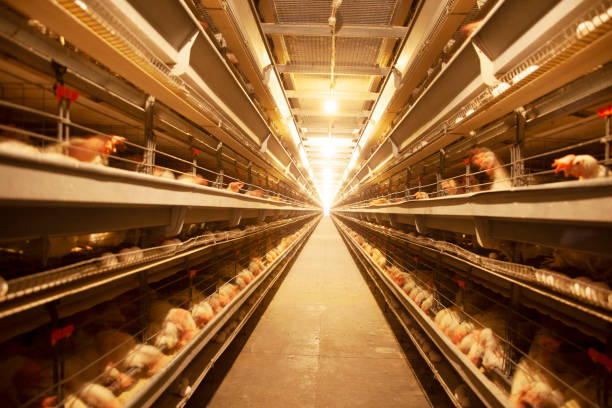
* **Broiler Cages:** Used for raising meat chickens (broilers), these cages are tailored to provide optimal growing conditions. They prioritize space efficiency, easy access for feeding and watering, and effective waste management to promote rapid and healthy growth.
**Benefits of Using Commercial Poultry Cage Systems**
Investing in commercial poultry cage systems brings a host of advantages that can significantly impact your poultry operation.
* **Increased Space Utilization:** Cage systems enable you to house a greater number of birds within the same floor area compared to traditional methods like deep litter systems. This higher stocking density translates to greater production output from a limited space.
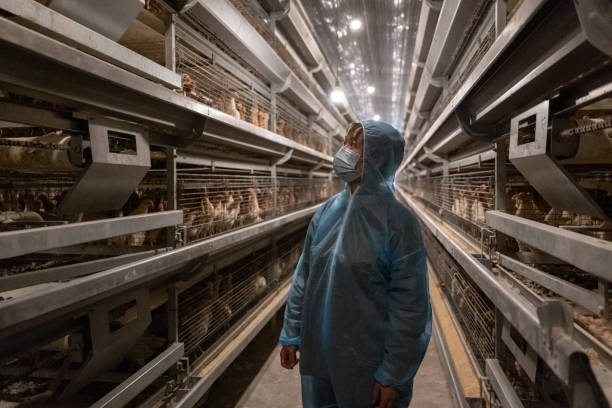
* **Improved Hygiene and Disease Control:** By raising birds off the ground, cage systems minimize their contact with manure and litter. This reduces the risk of disease transmission and parasite infestations, leading to healthier flocks and lower mortality rates.
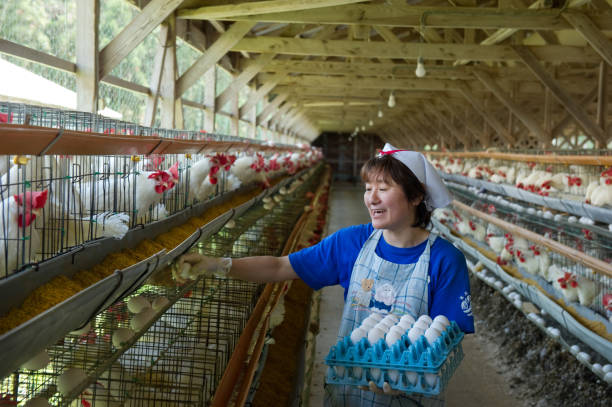
* **Enhanced Egg Collection Efficiency:** Layer cage systems are designed with sloping floors that allow eggs to roll gently into collection trays or onto conveyor belts. This streamlines the egg collection process, reducing labor costs and minimizing egg breakage.
* **Better Feed Management:** Cage systems allow for precise feed allocation, ensuring each bird receives the optimal amount of nutrients. This reduces feed wastage, promotes uniform growth, and improves feed conversion ratios.
* **Reduced Labor Costs:** The automated features of many cage systems, such as automatic feeding, watering, and egg collection, significantly reduce the need for manual labor, lowering operational expenses.
* **Improved Bird Welfare:** Modern cage systems incorporate features that enhance bird welfare, such as comfortable flooring, adequate space, and access to fresh water and feed. This can lead to healthier, happier birds and higher production levels.
* **Better Environmental Control:** Enclosed cage systems provide a greater degree of control over the environment, including temperature, humidity, and ventilation. This allows you to create optimal conditions for poultry growth and egg production, regardless of external weather conditions.
* **Easier Monitoring and Management:** Cage systems facilitate easier monitoring of individual birds or small groups. This allows you to quickly identify and address any health issues or production problems.
**Types of Commercial Poultry Cage Systems**
The market offers a variety of commercial poultry cage systems to suit different needs and farm sizes. Here are some of the most common types:
* **A-Frame Cages:** These are among the most traditional and cost-effective cage systems. The cages are arranged in an “A” shape, with birds housed in tiers.
* **H-Frame Cages:** H-frame cages are characterized by their horizontal arrangement, with multiple tiers stacked one above another. This design conserves space and facilitates easy access for management.
* **Stacked Cages:** As the name suggests, stacked cages involve multiple tiers of cages stacked vertically. This design maximizes space utilization and is ideal for large-scale poultry operations.
* **Manure Belt Cages:** These cages feature a manure belt system that automatically removes waste from beneath the cages. This helps to maintain a clean and hygienic environment and reduces the need for manual cleaning.
* **Automatic Feeding & Watering Cages:** The watering and feeding systems can be automatized with equipment to suit the cage system you want.
* **Enriched Cages:** Enriched cages are designed to provide hens with a more natural and stimulating environment. They typically include features such as perches, scratching areas, and nesting boxes. Although these cages are more expensive, they are growing in popularity as consumers demand higher welfare standards.
**Key Considerations When Choosing a Poultry Cage System**
Selecting the right poultry cage system for your farm requires careful consideration of several factors:
* **Bird Type:** The type of bird you are raising (layers or broilers) will determine the specific features and design of the cage system you need.
* **Farm Size:** The size of your farm and the number of birds you intend to house will influence the capacity and layout of the cage system.
* **Budget:** Cage systems vary in price depending on the type, features, and materials used. It is essential to establish a budget and choose a system that offers the best value for your investment.
* **Climate:** Consider the climate in your region and choose a cage system that can provide adequate environmental control, such as ventilation and temperature regulation.
* **Labor Availability:** If labor is limited, opt for a cage system with automated features that can reduce the need for manual intervention.
* **Hygiene Requirements:** Select a cage system that is easy to clean and maintain, and that minimizes the risk of disease transmission.
* **Animal Welfare:** Choose a cage system that prioritizes bird welfare, providing adequate space, comfortable flooring, and access to essential resources.
* **Local Regulations:** Be sure to comply with all local regulations regarding poultry housing and animal welfare standards.
**Maintaining Your Poultry Cage System**
Proper maintenance is crucial to ensure the longevity and optimal performance of your poultry cage system. Here are some essential maintenance tips:
* **Regular Cleaning:** Clean the cages regularly to remove manure, feathers, and other debris. This will help to prevent the buildup of bacteria and parasites.
* **Disinfection:** Disinfect the cages periodically to kill any remaining pathogens and maintain a hygienic environment.
* **Inspection:** Inspect the cages regularly for any signs of damage, such as broken wires or loose connections. Repair any damage promptly to prevent injuries to the birds.
* **Lubrication:** Lubricate moving parts, such as conveyor belts and feeding mechanisms, to ensure smooth operation.
* **Water System Maintenance:** Clean and flush the water lines regularly to prevent the buildup of algae and bacteria. Inspect the drinkers for leaks and repair them promptly.
* **Feeding System Maintenance:** Clean and calibrate the feeding system regularly to ensure accurate feed distribution. Check the feeders for blockages and clear them as needed.
* **Ventilation System Maintenance:** Clean the ventilation fans and ducts regularly to ensure proper airflow.
* **Rodent and Pest Control:** Implement a rodent and pest control program to prevent infestations.
* **Record Keeping:** Keep detailed records of all maintenance activities to track the performance of the cage system and identify any potential problems.
**The Future of Commercial Poultry Cage Systems**
The future of commercial poultry cage systems is likely to be shaped by several key trends:
* **Increased Automation:** Automation will continue to play a greater role in poultry cage systems, with advancements in robotics, sensors, and data analytics. This will lead to even greater efficiency and reduced labor costs.
* **Enhanced Animal Welfare:** Animal welfare concerns will continue to drive innovation in cage design, with a focus on providing birds with more natural and stimulating environments.
* **Sustainable Practices:** Sustainability will become an increasingly important consideration, with the development of cage systems that minimize environmental impact, conserve resources, and promote responsible waste management.
* **Precision Poultry Farming:** The integration of sensors and data analytics will enable precision poultry farming, allowing farmers to monitor bird health, behavior, and production in real-time. This will enable them to make more informed decisions and optimize their operations.
* **Smart Cage Systems:** Smart cage systems will leverage the Internet of Things (IoT) to connect cages to a central monitoring system. This will allow farmers to remotely monitor and control various aspects of the cage environment, such as temperature, humidity, and lighting.
**In Conclusion**
Commercial poultry cage systems offer a powerful solution for maximizing your poultry production. By increasing space utilization, improving hygiene, enhancing egg collection efficiency, and reducing labor costs, these systems can significantly boost your bottom line. By carefully considering your specific needs and choosing the right cage system for your farm, you can unlock the full potential of your poultry operation and achieve sustainable success. Remember to prioritize animal welfare, follow best management practices, and stay informed about the latest advancements in poultry cage technology to remain competitive in the ever-evolving poultry industry. The future of poultry farming lies in embracing innovation and adopting practices that promote both efficiency and sustainability.