Poultry Cage Cost in Africa: Factors Affecting Price and ROI
Poultry Cage Cost in Africa: Factors Affecting Price and ROI
For anyone diving into poultry farming in Africa, one of the first big questions is: “How much are these cages going to cost me?” Whether you’re raising chickens for eggs or meat, the initial outlay for poultry cages can significantly impact your budget. But it’s not just about the upfront price tag. Understanding the factors that influence the cost and how these cages affect your long-term return on investment (ROI) is crucial for making smart decisions. Let’s break down the key aspects of poultry cage costs in Africa so you can make an informed choice.
What Kind of Poultry Cages Are We Talking About?
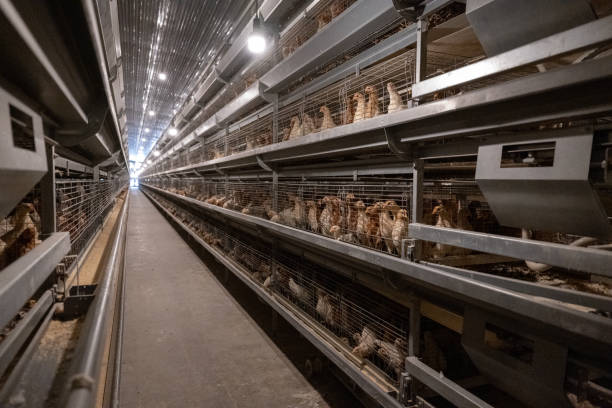
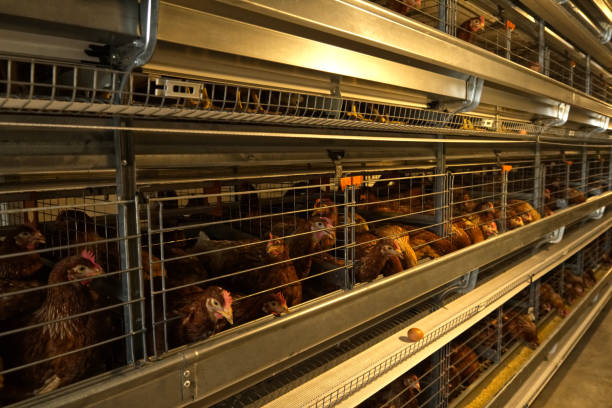
First, let’s clarify what we mean by “poultry cages.” Generally, we are talking about specialized housing systems designed to improve efficiency, hygiene, and overall productivity in poultry farming. They come in various shapes and sizes, but the main types you’ll encounter are:
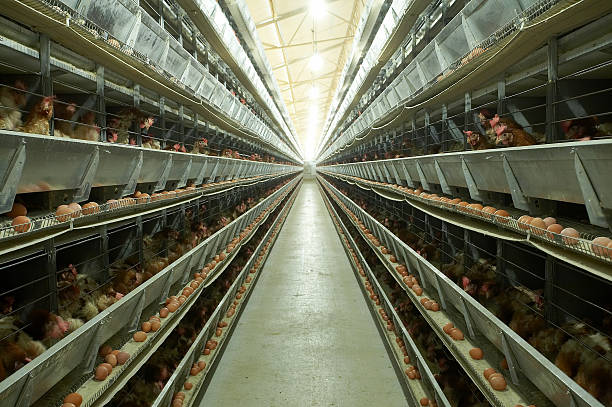
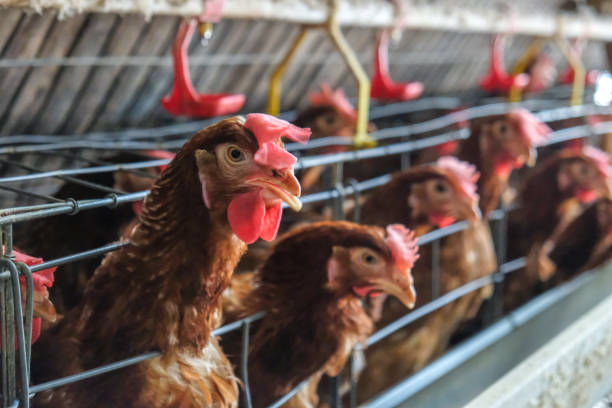
Layer Cages (for egg-laying hens): These are designed to house hens comfortably while making egg collection easier and more efficient. They typically have sloped floors so eggs roll forward for easy gathering.
Broiler Cages (for meat chickens): Designed for fast growth and efficient meat production, broiler cages often prioritize space utilization and ease of cleaning.
Each type has its own cost structure, advantages, and disadvantages.
Key Factors Influencing the Price of Poultry Cages
Several elements contribute to the final price you pay for poultry cages in Africa. These factors can vary greatly depending on the supplier, location, and specific needs of your farm:
Material Quality:
Galvanization: The process of coating steel with zinc to prevent rust is crucial in humid African climates. The quality and thickness of galvanization have a huge impact on how long the cages last. Higher quality galvanization means a higher upfront cost, but it could save you a fortune in replacement costs down the line.
Steel Gauge: The thickness of the steel used in the cage construction will directly affect its durability. Thicker steel is more expensive, but it can withstand more wear and tear, especially important with the constant activity of chickens.
Welding Quality: Poor welding leads to early cage failure. Look for cages with strong, consistent welds that can handle the daily stresses of a poultry farm.
Cage System Type and Size:
Layer vs. Broiler: As mentioned earlier, the design differences between layer and broiler cages affect their price. Layer cages tend to be more complex due to the egg collection features.
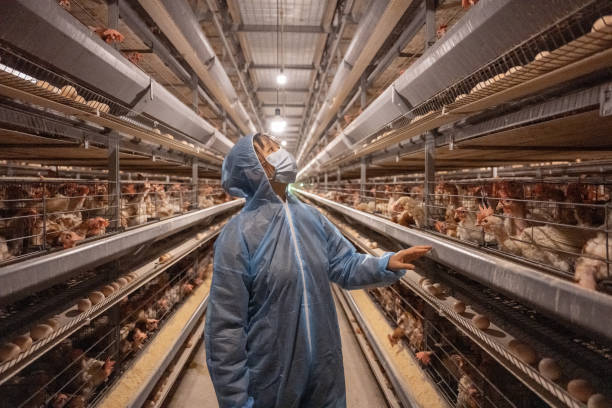
Tiered vs. Flat Deck: Tiered cage systems (multiple layers of cages stacked vertically) maximize space utilization, but they’re generally more expensive than flat-deck systems. Think about the space you have available and whether the higher investment in a tiered system is justified by the space savings.
Cage Capacity: The number of birds a cage can hold impacts the overall price. Larger capacity cages may seem like a better deal, but ensure they still provide adequate space and comfort for the chickens.
Automation Level:
Manual Systems: These are the most basic and affordable. They require manual feeding, watering, and egg collection. Great for getting started with a lower initial investment.
Semi-Automated Systems: These might include automatic feeding or watering systems, reducing labor requirements. They offer a good balance between cost and efficiency.
Fully Automated Systems: These systems automate almost everything – feeding, watering, egg collection, and even manure removal. While the most expensive option, they significantly reduce labor costs and improve overall efficiency, which matters as your farm scales up.
Supplier and Country of Origin:
Local Manufacturers: Buying from local manufacturers can reduce transportation costs and potentially offer better after-sales support. However, the quality might vary.
International Suppliers: Importing cages from countries with established poultry equipment industries (like China) can offer competitive prices and a wider range of options. But remember to factor in shipping costs, import duties, and potential communication barriers.
Supplier Reputation: Research the supplier thoroughly. Read reviews, ask for references, and check if they have a proven track record of providing quality products and reliable service.
Transportation and Installation Costs:
Shipping: The cost of transporting cages to your farm can be substantial, especially if you’re located far from the point of origin or have poor road infrastructure.
Installation: Some cages are easy to assemble yourself, while others require professional installation. Factor this cost in, especially if you’re opting for a more complex, automated system.
Customization:
Special Features: Do you need specific cage dimensions to fit your existing building? Do you want custom feeding or watering systems? Any customization will add to the base price.
Climate Considerations: Do you live in a very hot or humid area? You may need specialized cages with better ventilation or cooling features, which will increase the cost.
Estimating Poultry Cage Costs in Africa: A Range
It’s impossible to give an exact price without knowing your specific needs, but here’s a general idea of the cost ranges you might encounter:
Small-scale, manual layer cages: These can start from as low as $10-$20 per bird capacity.
Medium-sized, semi-automated layer cages: Expect to pay around $20-$40 per bird capacity.
Large-scale, fully automated layer cages: These can cost upwards of $40-$80 (or even more) per bird capacity.
Broiler cages: Prices are generally similar to layer cages but can vary depending on the specific design and materials used.
Remember that these are rough estimates, and it’s crucial to get detailed quotes from multiple suppliers based on your specific requirements.
Calculating Your ROI: Beyond the Initial Cost
The cheapest cage isn’t always the best investment. You need to consider the long-term return on investment (ROI). Here are some factors to consider:
Egg Production/Meat Yield:
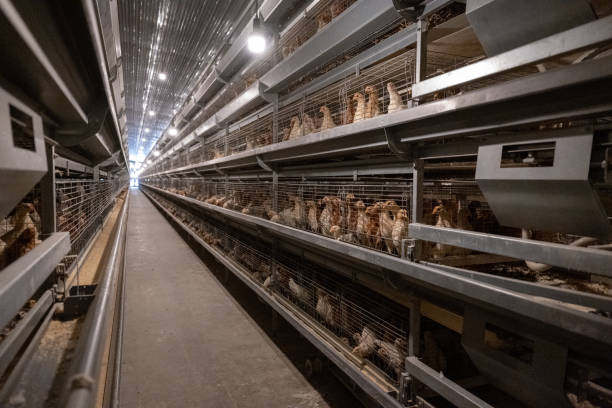
Cage Design and Bird Comfort: Well-designed cages that provide adequate space, ventilation, and access to food and water will lead to healthier, more productive birds. This translates to more eggs or faster growth rates, directly impacting your revenue.
Reduced Stress: Cages can minimize stress by controlling the environment and reducing competition among birds. Less stress means better overall health and improved production.
Feed Efficiency:
Reduced Feed Waste: Cages can be designed to minimize feed wastage, saving you money on feed costs, which are often the biggest expense in poultry farming.
Targeted Feeding: With automated systems, you can precisely control the amount of feed each bird receives, optimizing feed conversion rates.
Labor Savings:
Automation Benefits: Automated feeding, watering, and egg collection systems significantly reduce the amount of labor required. This can free up your time to focus on other aspects of your business.
Reduced Labor Costs: In the long run, the savings on labor costs can offset the higher initial investment in automated systems.
Reduced Mortality and Disease:
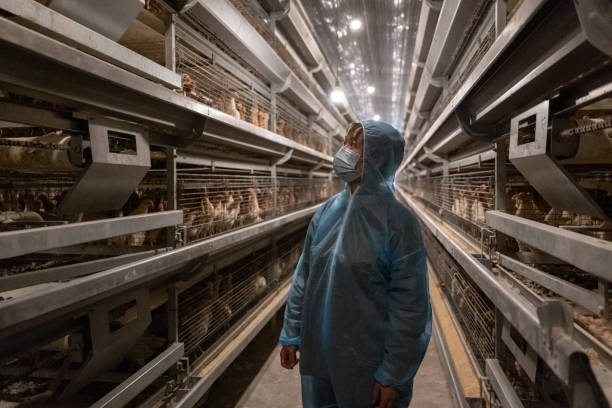
Improved Hygiene: Cages can improve hygiene by separating birds from their droppings, reducing the risk of disease outbreaks.
Easier Monitoring: Cages allow for easier monitoring of individual birds, making it easier to identify and isolate sick birds quickly. This can prevent the spread of disease and reduce mortality rates.
Egg Quality/Meat Quality:
Clean Eggs: Layer cages with sloped floors ensure that eggs roll away from the hens, reducing contamination and improving egg quality.
Better Meat Quality: Broiler cages can help maintain cleaner conditions, leading to better meat quality and reduced risk of contamination.
Cage Lifespan and Maintenance:
Durability: High-quality cages made from durable materials will last longer, reducing the need for frequent replacements.
Maintenance Costs: Consider the ease of maintenance and the availability of spare parts. Cages that are easy to clean and repair will save you money in the long run.
Making the Right Decision
Choosing the right poultry cages is a significant investment that can make or break your poultry farming venture in Africa. Here’s a step-by-step approach to making the best decision:
Define Your Goals:
What type of poultry are you raising (layers or broilers)?
What is your target production volume?
What is your budget?
Assess Your Needs:
What is the size of your farm?
What is your climate like?
How much labor are you willing to invest?
Research Suppliers:
Get quotes from multiple suppliers (local and international).
Check their reputation and customer reviews.
Ask for references.
Compare Options:
Compare the features, quality, and price of different cages.
Consider the long-term ROI.
Don’t just focus on the initial cost.
Consider After-Sales Support:
Does the supplier offer installation services?
Do they provide training on how to use and maintain the cages?
Do they offer spare parts and technical support?
Visit Existing Farms:
If possible, visit other poultry farms that are using the cages you are considering.
Talk to the farmers about their experience with the cages.
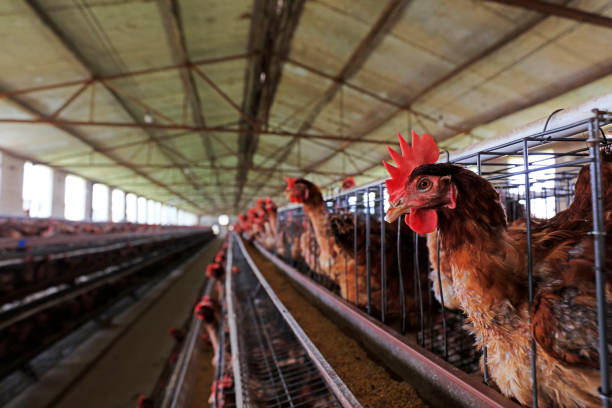
See the cages in action.
Negotiate:
Don’t be afraid to negotiate the price.
Ask for discounts or special offers.
By carefully considering these factors, you can select the right poultry cages for your farm and maximize your return on investment in the African poultry market. Remember, it’s not just about the price tag; it’s about the overall value and long-term profitability of your operation. Investing wisely in quality poultry cages is an investment in the future success of your poultry farm.