Poultry Cage Price Guide: Maximizing Profitability in Your African Poultry Business
Poultry Cage Price Guide: Maximizing Profitability in Your African Poultry Business
Starting or expanding a poultry farm in Africa demands careful planning, and one of the most crucial aspects is selecting the right poultry housing system. Poultry cages are a popular choice, particularly for egg-laying hens and broiler chickens. This guide will walk you through the factors influencing poultry cage prices, helping you make informed decisions to maximize the profitability of your African poultry business.
Understanding the Basics of Poultry Cages
Before diving into prices, let’s cover the fundamentals of poultry cages. They are essentially structures designed to house poultry birds in a controlled environment. These cages come in various configurations, each with its advantages and disadvantages.
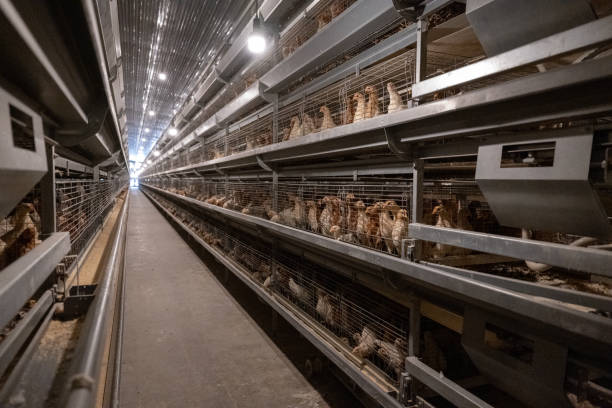
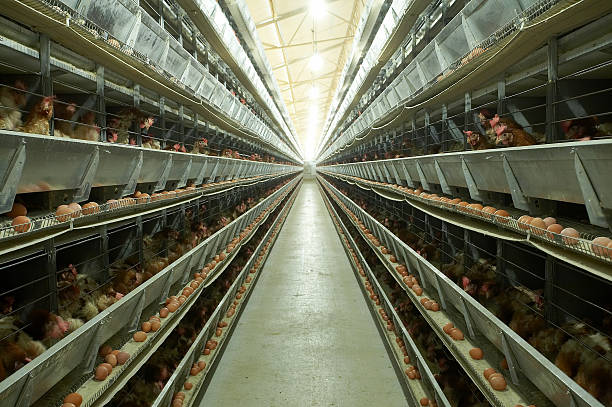
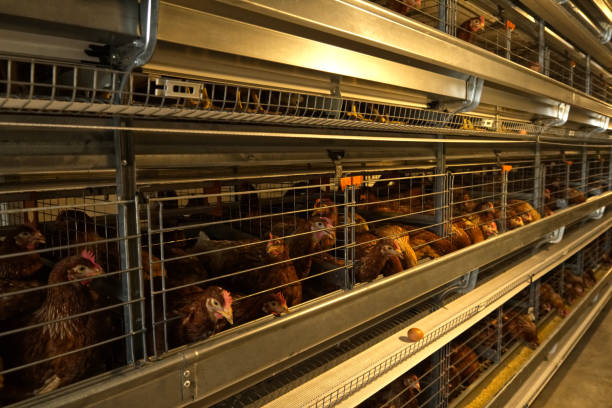
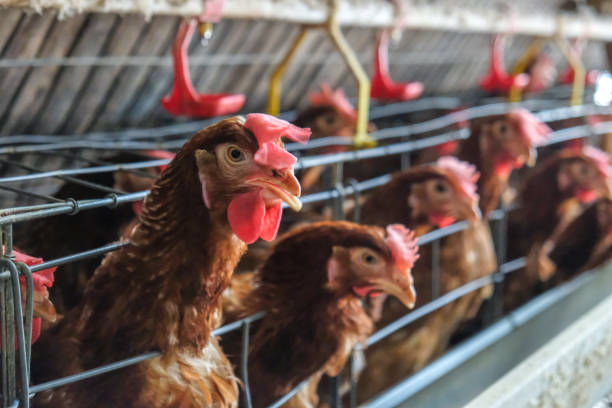
Layer Cages (Egg-Laying Hens): These are designed to optimize egg production. Hens are typically housed in groups within the cages, with features like sloped floors for easy egg collection, feeding troughs, and water lines.
Broiler Cages (Meat Chickens): Broiler cages are built to maximize meat production efficiency. They often feature wider spaces for rapid growth, easy access to feed and water, and efficient waste removal.
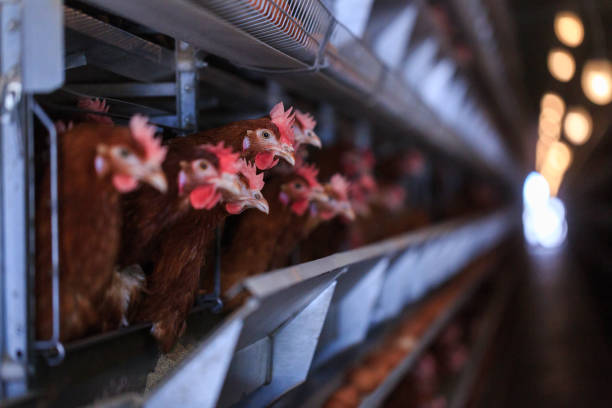
Battery Cages: These are traditional, multi-tiered systems known for maximizing space utilization. However, they’ve faced scrutiny regarding animal welfare due to limited space for movement.
A-Frame Cages: A-frame cages are characterized by their distinctive “A” shape, offering good ventilation and easy accessibility for management.
H-Frame Cages: H-frame cages are similar to A-frame but provide more structural stability and are suitable for larger poultry farms.
Automatic Cages: These cages incorporate automated systems for feeding, watering, egg collection, and waste removal, reducing labor costs and improving efficiency.
Semi-Automatic Cages: Semi-automatic cages offer a balance between automation and manual labor, typically featuring automated feeding and watering with manual egg collection.
Factors Influencing Poultry Cage Prices
Several factors impact the price of poultry cages. Understanding these factors is crucial for budgeting effectively and selecting the most suitable cages for your farm.
Materials: The material used in cage construction significantly affects the price. Common materials include galvanized steel, stainless steel, and plastic.
Galvanized Steel: A popular choice for its durability and rust resistance. Galvanization involves coating steel with zinc to protect it from corrosion. The thickness and quality of the galvanization will influence the price; thicker coatings offer better protection and come at a higher cost. Both hot-dipped galvanization and electro-galvanization are used, with hot-dipped generally being more durable.
Stainless Steel: Offers superior rust resistance and hygiene but is considerably more expensive than galvanized steel. Stainless steel cages are ideal for farms prioritizing longevity and ease of cleaning.
Plastic: Used for some components of cages, like flooring or feeders. Plastic is lightweight, easy to clean, and corrosion-resistant but may not be as durable as steel.
Cage Size and Capacity: Larger cages, designed to house more birds, will naturally cost more due to increased material usage and manufacturing complexity. The capacity of the cage (number of birds per cage) also affects the price; cages designed for higher densities might require stronger structures and more sophisticated features.
Cage Type and Design: The type of cage (layer, broiler, battery, A-frame, H-frame) influences the price. Automated cages with more sophisticated designs will be more expensive initially but offer long-term cost savings through reduced labor. Consider your specific needs and budget when selecting the cage type.
Automation Level: Automated cages with automatic feeding, watering, egg collection, and manure removal systems command a higher price than manual or semi-automatic systems. The level of automation you choose will depend on your labor availability, budget, and desired efficiency. While the initial investment is higher, automated systems can significantly reduce labor costs and improve overall farm productivity.
Manufacturer and Brand: Reputable manufacturers and well-known brands often charge more due to their established quality, warranty offerings, and after-sales support. While cheaper alternatives might be tempting, investing in a reputable brand can provide peace of mind and ensure long-term durability.
Country of Origin: The country where the cages are manufactured also affects the price. Cages imported from countries with lower labor costs might be cheaper, but consider transportation costs, import duties, and potential quality differences. Domestically produced cages may have higher initial costs but can offer faster delivery and easier access to customer support.
Transportation Costs: Transportation costs can significantly increase the overall price, especially for large or bulky items. Factor in shipping costs from the manufacturer or supplier to your farm location. Consider local suppliers to minimize transportation expenses.
Installation Costs: Some cage systems require professional installation. Include these costs in your budget. Proper installation is crucial to ensure the cages function correctly and safely. DIY installation might save money initially, but incorrect installation can lead to problems and increase long-term costs.
Quantity Purchased: Suppliers often offer discounts for bulk purchases. If you’re setting up a large-scale poultry farm, inquire about volume discounts to lower the overall cost per cage. Negotiate with suppliers to get the best possible price based on the quantity you need.
Typical Poultry Cage Prices in Africa (Estimates)
It’s difficult to provide exact prices due to market fluctuations and variations in specifications. However, here are estimated price ranges for different types of poultry cages in the African market:
Battery Cages (Layer): \$20 – \$50 per bird capacity (depending on size, materials, and automation)
A-Frame Cages (Layer): \$25 – \$60 per bird capacity
H-Frame Cages (Layer): \$30 – \$70 per bird capacity
Broiler Cages: \$15 – \$40 per bird capacity
Automatic Layer Cages \$50 – \$120 per bird capacity
Semi-Automatic Layer Cages: \$35 – \$80 per bird capacity
Note: These prices are estimates and can vary significantly based on the factors mentioned above. Always obtain quotes from multiple suppliers before making a decision. Also currency exchange rates will affect the prices.
Tips for Maximizing Profitability When Choosing Poultry Cages

Selecting the right poultry cages is an investment that directly impacts your farm’s profitability. Here are some tips to help you make the best choices:
Calculate Your Bird Capacity: Determine the number of birds you plan to raise to accurately estimate the number of cages required. Overestimating can lead to unnecessary expenses, while underestimating can hinder your production goals.
Consider Your Farm Size and Layout: Measure your available space and plan the layout of your poultry house carefully. Optimize space utilization while ensuring adequate ventilation and ease of access for feeding and managing the birds.
Prioritize Bird Welfare: Choose cages that provide adequate space, ventilation, and access to feed and water for optimal bird health and productivity. Ethical considerations are becoming increasingly important in poultry farming, and consumers are often willing to pay more for products from farms that prioritize animal welfare.
Factor in Labor Costs: Evaluate your labor availability and the cost of labor in your area. Automated cages can reduce labor costs, but the initial investment is higher. Calculate the long-term cost benefits of automation versus manual labor.
Evaluate Climate Conditions: Consider the climate in your region. In hot climates, prioritize cages with good ventilation and cooling systems. In colder climates, focus on insulation and heating options.
Compare Quotes from Multiple Suppliers: Obtain quotes from at least three different suppliers before making a decision. Compare prices, specifications, warranty terms, and after-sales support.
Negotiate Prices: Don’t be afraid to negotiate prices with suppliers, especially for bulk purchases. Suppliers are often willing to offer discounts to secure large orders.
Read Reviews and Seek Recommendations: Research different cage brands and models and read reviews from other poultry farmers. Seek recommendations from experienced farmers in your area.
Inspect Cages Before Purchase: If possible, visit the supplier’s facility or a farm using the cages you’re considering. Inspect the cages for quality, durability, and design features.
Consider Future Expansion: Choose a cage system that can be easily expanded if you plan to increase your bird capacity in the future. Modular systems offer flexibility and allow you to add more cages as needed.
Beyond the Initial Price: Long-Term Cost Considerations
While the initial price of poultry cages is a significant factor, it’s equally important to consider the long-term costs associated with owning and operating them.
Maintenance Costs: Factor in the cost of regular maintenance and repairs. Choose cages made from durable materials that require minimal maintenance.
Replacement Costs: Estimate the lifespan of the cages and factor in the cost of replacing them in the future. Investing in higher-quality cages can extend their lifespan and reduce replacement costs.
Feed Efficiency: Good cage design can improve feed efficiency by minimizing feed waste and ensuring easy access to feed and water for the birds.
Egg Production (for layers): Choose cages that optimize egg production through proper ventilation, lighting, and comfort for the hens.
Growth Rate (for broilers): Broiler cages should be designed to promote rapid growth and efficient feed conversion.
Mortality Rates: Properly designed cages contribute to lower mortality rates by providing a safe and comfortable environment for the birds.
Disease Prevention: Cages with good ventilation and easy cleaning features help prevent the spread of diseases, reducing medication costs and improving overall flock health.
Financing Options for Poultry Cages
Purchasing poultry cages can be a significant investment, especially for new or expanding farms. Explore financing options to help manage the upfront costs:
Bank Loans: Traditional bank loans are a common source of financing. Prepare a detailed business plan and financial projections to increase your chances of approval.
Microfinance Institutions: Microfinance institutions offer smaller loans with flexible repayment terms, making them a good option for small-scale farmers.
Government Programs: Many African governments offer agricultural support programs, including subsidies or grants for poultry farming equipment. Research available programs in your region.
Supplier Financing: Some cage suppliers offer financing options or payment plans to make their products more accessible.
Leasing Options: Leasing cages can be a cost-effective alternative to purchasing, especially if you’re unsure about the long-term viability of your business.
Conclusion
Choosing the right poultry cages is a critical decision that significantly impacts the profitability and sustainability of your African poultry business. By understanding the factors influencing cage prices, considering long-term costs, and prioritizing bird welfare, you can make informed decisions that optimize efficiency, reduce expenses, and maximize your returns. Always do your research, compare options from multiple suppliers, and prioritize quality and durability to ensure a long-term investment in your poultry farm’s success.