Where to Buy Layer Cages in Africa: A Comprehensive Guide for Poultry Farmers
Where to Buy Layer Cages in Africa: A Comprehensive Guide for Poultry Farmers
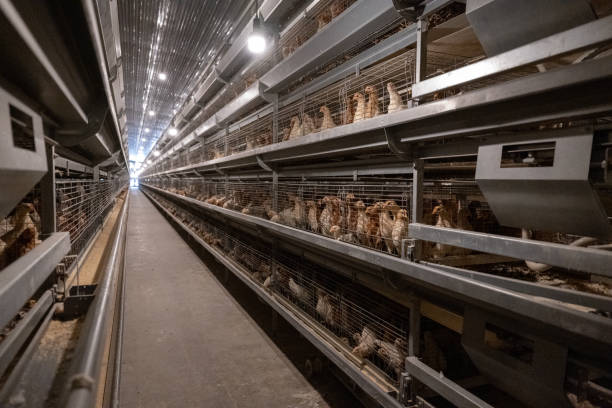
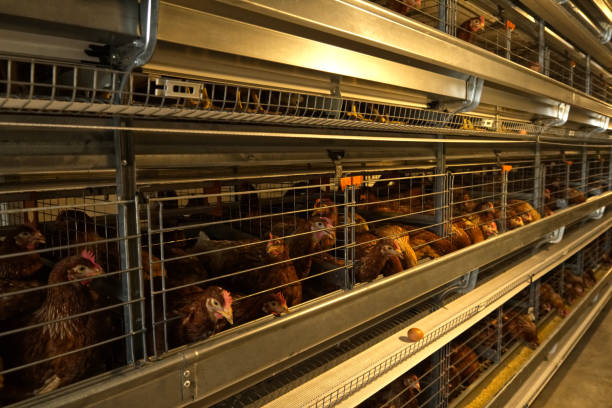
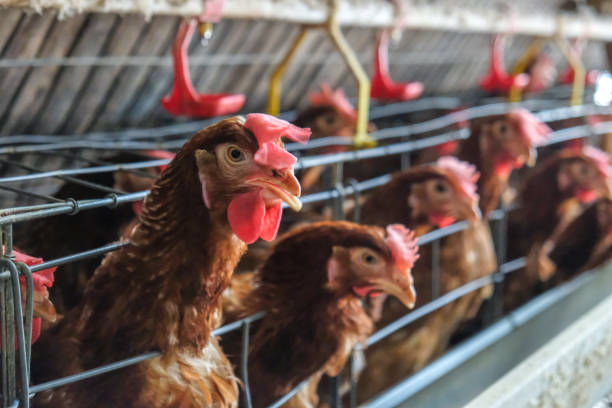
For poultry farmers in Africa looking to scale their egg production, investing in layer cages is a pivotal decision. Layer cages, designed to house laying hens efficiently, optimize space, improve egg collection, and potentially reduce disease spread. However, navigating the market to find reliable suppliers and high-quality cages can be daunting. This comprehensive guide will walk you through the critical considerations and provide practical advice on where to buy layer cages in Africa, helping you make an informed investment.
Why Choose Layer Cages?
Before diving into the specifics of sourcing layer cages, it’s essential to understand their benefits and why they are a popular choice for modern poultry farming:
Increased Space Efficiency: Layer cages allow you to keep more hens in a smaller area compared to floor systems. This is particularly important in regions where land is expensive or limited.
Improved Egg Hygiene: Cages often feature sloped floors that allow eggs to roll away from the hens, minimizing contact with feces and reducing the risk of contamination. This results in cleaner, higher-quality eggs.
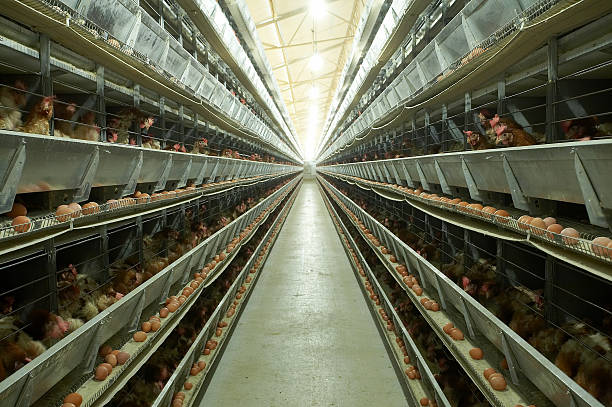
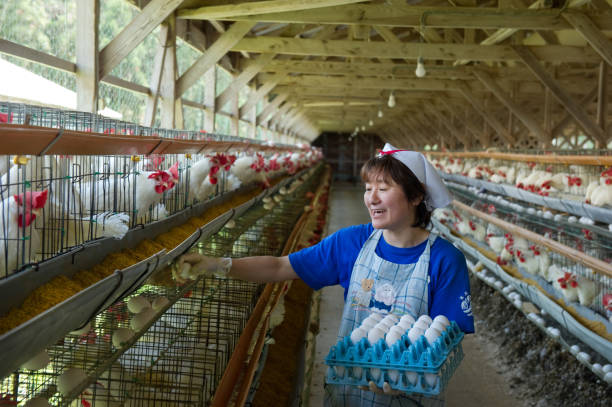
Easier Egg Collection: Automated egg collection systems, which are commonly integrated into layer cage setups, streamline the egg gathering process, saving time and labor costs.
Reduced Disease Transmission: By separating hens into smaller groups, cages can help limit the spread of diseases. Sick or injured birds can be easily isolated, promoting better flock health.
Better Manure Management: Manure collection is simplified with cages as it falls beneath the cages and can be removed efficiently. This improves hygiene and reduces ammonia emissions.
Optimized Feeding and Watering: Cages are designed to provide equal access to feed and water for all hens, ensuring uniform growth and egg production.
Factors to Consider When Buying Layer Cages in Africa
Selecting the right layer cages involves carefully evaluating several key factors to ensure they meet your specific needs and budget:
Cage Material and Construction Quality:
Material: Layer cages are typically made from galvanized steel wire mesh. The quality of the galvanization is crucial for durability and rust resistance, especially in humid African climates. Look for cages with hot-dip galvanization, which offers superior protection compared to electro-galvanization.
Wire Gauge: The thickness of the wire mesh affects the cage’s strength and longevity. Thicker wire is more resistant to bending and breakage, providing a more secure environment for your hens.
Construction: Examine the cage’s construction for sturdy welds, smooth edges, and proper alignment. Poorly constructed cages can have sharp edges that injure hens or weak points that collapse under pressure.
Cage Type and Size:
A-Frame vs. H-Frame Cages:
A-Frame Cages:* These are typically more affordable and easier to install, making them a popular choice for small to medium-sized farms. They are characterized by their sloping sides.
H-Frame Cages:* These are more robust and suitable for larger-scale operations. They offer better structural integrity and can accommodate automated feeding and egg collection systems.
Tier Number: Layer cages are available in single-tier, double-tier, or multi-tier configurations. The number of tiers affects the stocking density and the overall footprint of your poultry house. Consider the height of your building and your management capabilities when choosing the number of tiers.
Cage Dimensions: Ensure that the cage dimensions provide adequate space for each hen, allowing them to move comfortably, stand, turn around, and stretch their wings. Overcrowding can lead to stress, aggression, and reduced egg production.
Environmental Conditions:
Climate: African climates can be harsh, with high temperatures, humidity, and dust. Choose cages that are designed to withstand these conditions. Consider features such as ventilation systems and shading to maintain a comfortable environment for your hens.
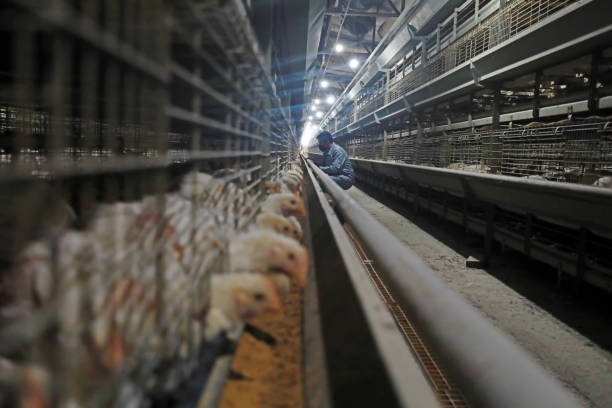
Ventilation: Proper ventilation is essential for removing ammonia and moisture, reducing disease risk, and maintaining air quality. Ensure that your chosen cage system allows for adequate airflow.
Manure Management: Efficient manure removal is crucial for hygiene and odor control. Consider cages with manure belts or scrapers that simplify the cleaning process.
Automation and Features:
Automatic Feeding Systems: These distribute feed evenly and efficiently, reducing labor costs and minimizing feed wastage.
Automatic Drinking Systems: Nipple drinkers or cup drinkers provide a constant supply of clean water, improving hygiene and reducing water spillage.
Automatic Egg Collection Systems: These collect eggs gently and efficiently, reducing breakage and saving time.
Manure Removal Systems: Scrapers or belts automatically remove manure, improving hygiene and reducing labor.
Supplier Reputation and Support:
Experience and Expertise: Choose a supplier with a proven track record in the poultry industry and a deep understanding of layer cage systems.
Customer Service: Excellent customer service is essential for resolving any issues or concerns that may arise during installation or operation.
Warranty: Look for suppliers who offer warranties on their products, providing assurance of quality and reliability.
After-Sales Support: Ensure the supplier provides after-sales support, including maintenance services and spare parts availability.
Budget and Financing Options:
Total Cost: Consider the total cost of the layer cage system, including the cages themselves, installation, automation, and any necessary modifications to your poultry house.
Financing: Explore financing options such as loans or leasing agreements to help manage the upfront investment costs.
Return on Investment: Calculate the potential return on investment (ROI) based on increased egg production, reduced labor costs, and improved flock health.
Where to Find Layer Cage Suppliers in Africa
Finding reliable layer cage suppliers in Africa requires thorough research and due diligence. Here are several avenues to explore:
Local Poultry Equipment Dealers:
Many African countries have local dealers who specialize in poultry equipment, including layer cages. These dealers often offer a range of products and services, including installation and maintenance.
Advantages: Local dealers can provide personalized service, quick delivery, and on-site support.
Disadvantages: Prices may be higher compared to international suppliers, and the range of products may be limited.
How to Find: Search online directories, attend agricultural trade shows, and ask for recommendations from other poultry farmers.
International Poultry Equipment Manufacturers:
Several international manufacturers of layer cages have a presence in Africa or export directly to the continent. These companies typically offer a wider range of products, including advanced automation systems. Livi Machinery is a great choice for you.
Advantages: High-quality products, advanced technology, competitive prices (especially for bulk orders).
Disadvantages: Longer delivery times, potential language barriers, and the need to manage import and customs procedures.
How to Find: Search online directories such as Alibaba or industry-specific websites, attend international poultry trade shows, and contact embassies or trade organizations.
Online Marketplaces:
Online marketplaces such as Alibaba, Made-in-China, and Global Sources connect buyers with suppliers from around the world, including those who specialize in layer cages.
Advantages: Wide selection of products, competitive prices, easy comparison of suppliers.
Disadvantages: Increased risk of scams or low-quality products, the need to carefully vet suppliers, and potential challenges with communication and quality control.
How to Use: Read reviews carefully, request samples, and communicate thoroughly with suppliers before placing an order.
Agricultural Trade Shows and Exhibitions:
Attending agricultural trade shows and exhibitions in Africa is a great way to meet potential suppliers in person, see their products firsthand, and network with other poultry farmers.
Advantages: Opportunity to compare products from different suppliers, negotiate prices, and build relationships.
Disadvantages: Requires travel and time commitment.
How to Find: Search online for agricultural trade shows and exhibitions in your region.
Tips for Evaluating Potential Suppliers
Once you’ve identified a few potential layer cage suppliers, it’s essential to evaluate them carefully before making a decision:
Request Quotations: Obtain detailed quotations from multiple suppliers, including the cost of the cages, automation systems, installation, and shipping.
Ask for References: Request references from other poultry farmers who have purchased cages from the supplier. Contact these references to inquire about their experience with the product and the supplier’s service.
Visit a Farm: If possible, visit a poultry farm that is using the supplier’s layer cages to see the product in operation and assess its performance.
Inspect Samples: Request samples of the cage material and construction to assess the quality and durability.
Check Certifications: Verify that the supplier has the necessary certifications and complies with relevant industry standards.
Review Contracts Carefully: Before signing any contract, review the terms and conditions thoroughly, including payment terms, warranty information, and dispute resolution procedures.
Installation and Maintenance
Once you’ve purchased your layer cages, proper installation and maintenance are crucial for ensuring their longevity and optimal performance:
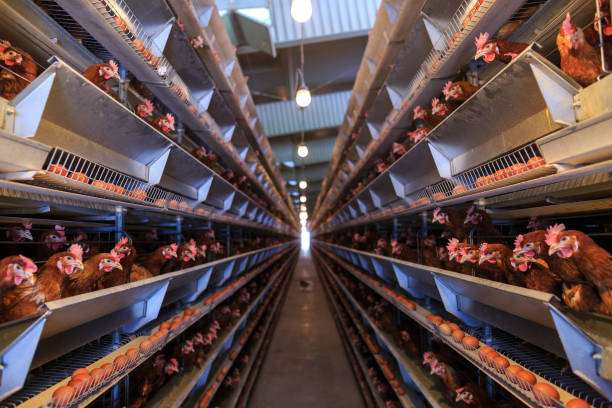
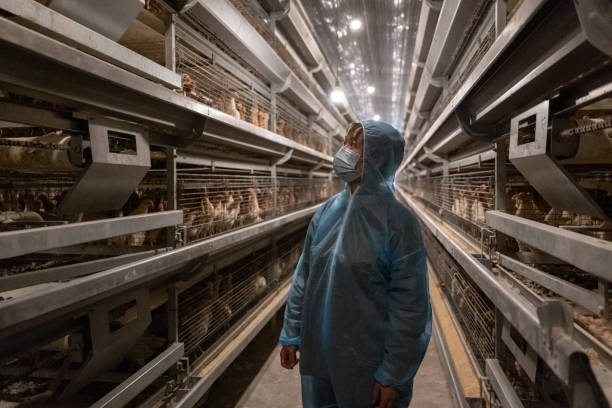
Professional Installation: Consider hiring a professional installer to ensure that the cages are properly assembled and installed according to the manufacturer’s instructions.
Regular Cleaning: Clean the cages regularly to remove manure, dust, and debris. This will help prevent the spread of diseases and maintain a hygienic environment for your hens.
Inspect for Damage: Regularly inspect the cages for any signs of damage, such as broken wires, loose connections, or rust. Repair any damage promptly to prevent injuries to your hens or further deterioration of the cages.
Lubricate Moving Parts: Lubricate any moving parts, such as egg collection belts or manure scrapers, to ensure smooth operation.
Follow Manufacturer’s Recommendations: Follow the manufacturer’s recommendations for maintenance and care.
Conclusion
Investing in layer cages can significantly improve the efficiency and profitability of your poultry farm in Africa. By carefully considering the factors outlined in this guide, you can find the right cages to meet your specific needs and budget. Remember to choose a reputable supplier, prioritize quality and durability, and invest in proper installation and maintenance. With the right layer cage system, you can optimize egg production, improve flock health, and achieve long-term success in the poultry industry.