Cost-Effective 20,000 Layer Battery Cage Systems for Tanzanian Poultry Farms
Cost-Effective 20,000 Layer Battery Cage Systems for Tanzanian Poultry Farms
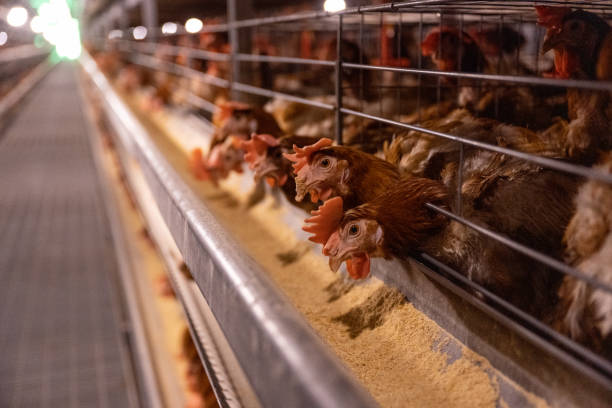
Tanzania’s poultry industry is experiencing significant growth, driven by increasing demand for eggs and chicken products. To capitalize on this expanding market, it’s crucial for poultry farmers to embrace efficient and cost-effective farming practices. One of the most impactful ways to achieve this is by investing in well-designed and appropriately sized layer battery cage systems. For many medium-sized operations, a 20,000-layer battery cage system represents a sweet spot – offering significant economies of scale without the complexity and management challenges of vastly larger farms. This article delves into the advantages and considerations surrounding implementing a cost-effective 20,000-layer battery cage system on Tanzanian poultry farms.
The Advantages of Battery Cage Systems
Battery cage systems, when properly designed and managed, offer several compelling benefits for egg production, especially when aiming for cost-effectiveness.
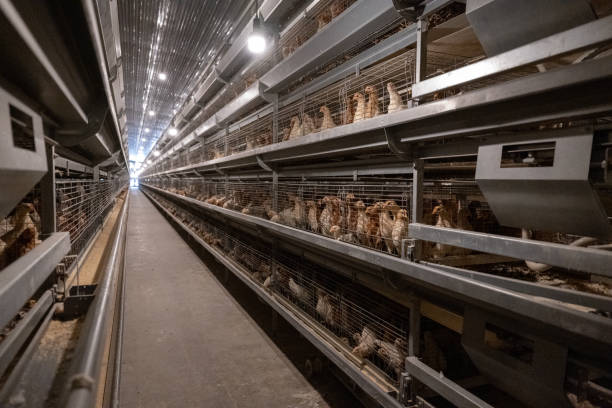
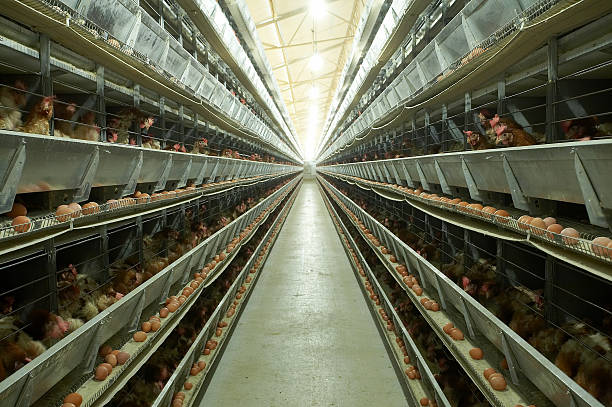
Increased Egg Production: Cages allow for a higher stocking density compared to traditional floor systems. With 20,000 layers in a well-organized cage setup, you’re maximizing your production within a given space. This translates directly to higher egg yields.
Improved Hygiene and Disease Control: Cage systems elevate the birds above the manure, reducing the risk of disease transmission and parasite infestations. The controlled environment makes cleaning and disinfection routines easier and more effective, minimizing losses due to illness.
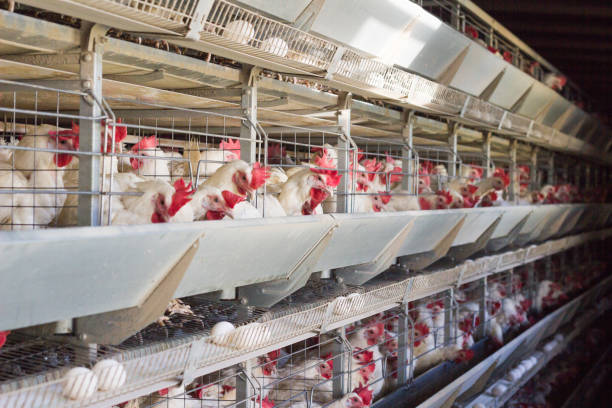
Reduced Egg Breakage: Eggs roll away from the hens immediately after laying, minimizing the chance of being trampled or pecked at. This significantly reduces egg breakage, increasing the number of saleable eggs.
Better Feed Conversion Ratio: With individual access to feed and water, less feed is wasted. The controlled environment also reduces energy expenditure by the hens, leading to a better feed conversion ratio – meaning less feed is needed to produce the same amount of eggs. This is a massive cost saver.
Easier Management: Cages simplify monitoring individual hen health and performance. Identifying and addressing issues early on can prevent small problems from escalating into larger, more costly ones.
Automated Systems: Modern battery cage systems can be equipped with automated feeding, drinking, egg collection, and manure removal systems. This significantly reduces labor costs and improves overall efficiency.
Designing a Cost-Effective 20,000-Layer System
Maximizing the cost-effectiveness of a 20,000-layer battery cage system requires careful planning and consideration of several factors:
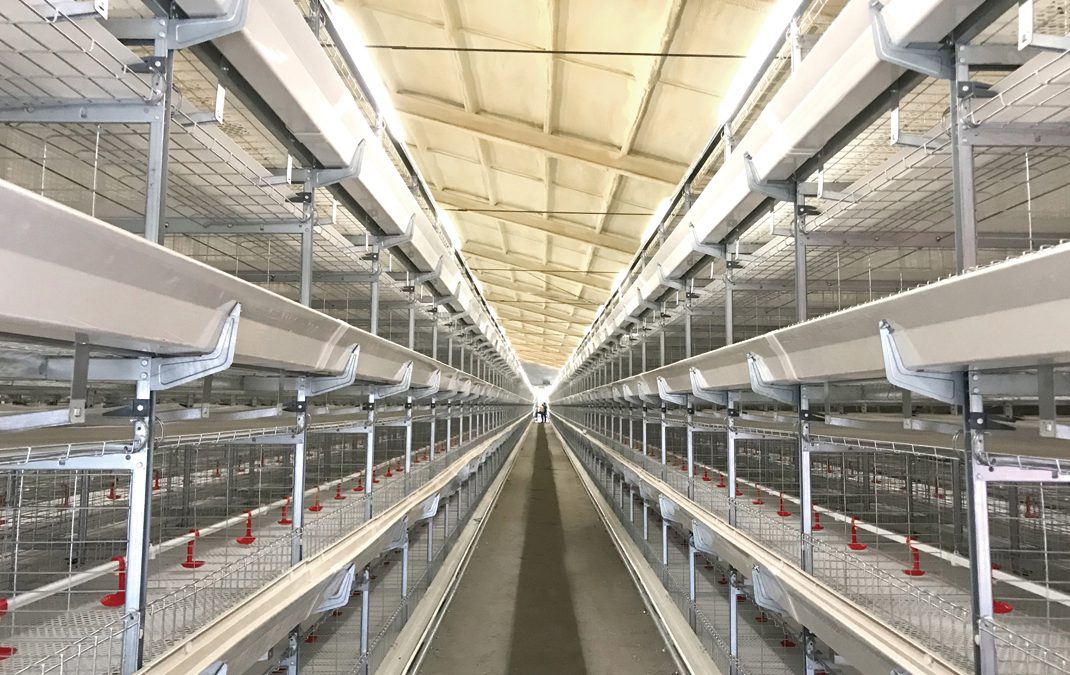
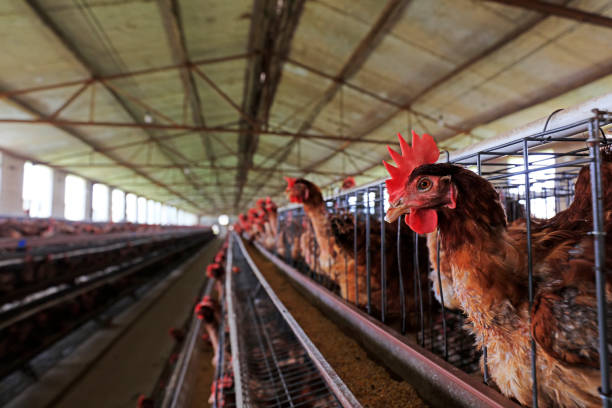
Cage Selection: Opt for high-quality, durable cages designed specifically for layer hens. Consider the cage material (galvanized steel is preferred for its durability and resistance to corrosion in the Tanzanian climate), the number of birds per cage, and the overall cage dimensions. Cages should be designed to provide adequate space and comfort for the hens to move freely and access feed and water. A-frame and H-frame cages are common choices, each with its own advantages in terms of space utilization and ventilation.
House Design and Ventilation: The poultry house should be designed to provide adequate ventilation, lighting, and temperature control. Natural ventilation can be supplemented with fans to ensure proper air circulation, especially during hot seasons. Good insulation is crucial for maintaining a consistent temperature, reducing the need for excessive heating or cooling. Ensure the house has adequate height to allow for proper airflow and prevent ammonia buildup. Orientation of the building is also important, ideally aligned to minimize direct sunlight exposure during the hottest part of the day.
Automated Systems: While requiring a higher initial investment, automated feeding, drinking (nipple drinkers are highly recommended for hygiene), egg collection, and manure removal systems can significantly reduce labor costs and improve efficiency in the long run. Investigate reliable and easily maintainable systems from reputable suppliers. Consider the availability of spare parts and local technical support when making your decision.
Manure Management: Efficient manure management is crucial for hygiene and environmental considerations. Consider installing a manure removal system that efficiently removes waste from the house, reducing ammonia buildup and minimizing the risk of disease. Composting or utilizing the manure as fertilizer can also generate additional revenue streams. Consider the local regulations regarding manure disposal and make sure your system complies.
Lighting: Implement a proper lighting program to stimulate egg production. Use energy-efficient LED lights to minimize electricity consumption. A consistent light schedule (e.g., 16 hours of light and 8 hours of darkness) is crucial for optimal egg laying. Dimmable LED lights allow for gradual changes in light intensity, reducing stress on the birds.
Water Source: Ensure a reliable and clean water source for the hens. Consider installing a water filtration system to remove impurities and prevent disease transmission. Regular water testing is recommended to ensure quality. The water system should be designed to provide adequate water pressure and flow rate to all cages.
Feed Management: Invest in a high-quality feed formulation specifically designed for layer hens. Proper feed storage is essential to prevent spoilage and contamination. Consider purchasing feed in bulk to reduce costs, but ensure you have adequate storage capacity. Regular feed analysis can help ensure that the hens are receiving the nutrients they need.
Choosing the Right Supplier
Selecting a reputable and reliable supplier for your battery cage system is crucial for ensuring its long-term performance and cost-effectiveness. Here are some key considerations:
Experience and Reputation: Choose a supplier with a proven track record in providing poultry equipment in Tanzania or similar African markets. Look for customer testimonials and reviews to gauge their reputation.
Quality and Durability: Ensure that the supplier offers high-quality, durable cages that can withstand the harsh Tanzanian climate. Request samples of the cage materials and construction to assess their quality.
Customization Options: A good supplier should be able to customize the cage system to meet your specific needs and requirements, such as the size of the poultry house and the level of automation desired.
After-Sales Service and Support: Choose a supplier that provides excellent after-sales service and support, including installation assistance, training, and spare parts availability. A local presence or a network of local technicians can be a significant advantage.
Price and Financing Options: Compare prices from different suppliers, but don’t solely focus on the lowest price. Consider the overall value proposition, including quality, durability, and after-sales service. Inquire about financing options to help manage the upfront investment. Seek clarity on all costs involved including shipping, installation and any applicable taxes or duties.
Cost Considerations and ROI
While battery cage systems require a significant upfront investment, they offer a strong return on investment (ROI) in the long run. Here’s a breakdown of the cost considerations:
Initial Investment: The initial investment includes the cost of the cages, poultry house construction or renovation, automated systems (feeding, drinking, egg collection, manure removal), lighting, ventilation, and water source.
Operating Costs: Operating costs include the cost of feed, water, electricity, labor, veterinary care, and maintenance.
Revenue: Revenue is generated from the sale of eggs and potentially from the sale of manure.
ROI Calculation: To calculate the ROI, you need to estimate the total revenue generated over a specific period (e.g., 5 years) and subtract the total costs (initial investment + operating costs). Divide the net profit by the initial investment and multiply by 100 to get the ROI percentage.
A well-managed 20,000-layer battery cage system can generate a significant ROI within a few years, thanks to increased egg production, reduced feed costs, and lower labor requirements. However, it’s important to accurately estimate all costs and revenue streams to determine the true ROI for your specific situation. Obtaining quotes from multiple suppliers and creating a detailed financial model is essential for making informed decisions.
Challenges and Mitigation Strategies
While battery cage systems offer numerous advantages, it’s important to be aware of the potential challenges and implement strategies to mitigate them:
High Initial Investment: The high upfront cost can be a barrier for some farmers. Consider financing options, phased implementation, or starting with a smaller system and expanding later.
Technical Expertise: Operating and maintaining automated systems requires technical expertise. Invest in training for your staff or hire skilled technicians.
Disease Outbreaks: While cages reduce the risk of disease, outbreaks can still occur. Implement strict biosecurity measures, vaccination programs, and regular health monitoring.
Market Fluctuations: Egg prices can fluctuate due to supply and demand. Diversify your marketing channels, explore value-added products (e.g., processed eggs), or consider contract farming to mitigate price risks.
Power Outages: Power outages can disrupt automated systems and affect egg production. Invest in a backup generator to ensure uninterrupted operation.
Environmental Concerns: Improper manure management can lead to environmental pollution. Implement efficient manure management practices and comply with local regulations.
By proactively addressing these challenges, poultry farmers can maximize the benefits of their 20,000-layer battery cage system.
Conclusion
A cost-effective 20,000-layer battery cage system can be a game-changer for Tanzanian poultry farms aiming to increase egg production, improve efficiency, and boost profitability. By carefully considering cage selection, house design, automated systems, and supplier selection, farmers can create a system that meets their specific needs and generates a strong return on investment. While there are challenges to overcome, a well-managed battery cage system can contribute significantly to the growth and sustainability of the Tanzanian poultry industry, meeting the increasing demand for eggs while providing economic opportunities for local farmers. Remember to prioritize quality, durability, and after-sales service when selecting your supplier to ensure the long-term success of your investment. Investing in training and developing a solid biosecurity plan are also key to a thriving poultry business.