Optimizing Battery Cage Solutions for 20,000 Laying Hens in Tanzania
Optimizing Battery Cage Solutions for 20,000 Laying Hens in Tanzania
The Tanzanian poultry market presents a compelling opportunity for egg producers. Meeting the growing demand for eggs requires efficient and scalable farming solutions. For a farm targeting 20,000 laying hens, optimizing the housing system is crucial for maximizing profitability and ensuring the well-being of the birds. Battery cage systems, when implemented correctly, can offer significant advantages in terms of space utilization, egg collection efficiency, and disease control. This article delves into the key considerations for designing and implementing an optimized battery cage system for a 20,000-hen poultry farm in Tanzania, focusing on crucial factors like cage selection, environmental control, automation, biosecurity, and economic viability.
Understanding the Tanzanian Context
Before diving into the specifics of battery cage systems, it’s vital to understand the local context. Tanzania’s climate, market dynamics, and regulatory environment all play a role in the success of a poultry farm. Tanzania generally experiences a tropical climate, with significant regional variations. High temperatures and humidity can pose challenges to poultry production, impacting feed intake, egg production, and overall bird health. Therefore, designing a system that effectively mitigates these climate-related stressors is paramount.
The Tanzanian poultry market is characterized by increasing demand for eggs, driven by population growth and rising incomes. However, competition is also intensifying, and producers need to focus on efficiency and cost-effectiveness to remain competitive. Understanding the local market prices for eggs and feed is essential for developing a sound business plan.
Finally, it’s important to be aware of any applicable regulations related to poultry farming in Tanzania. These regulations may cover aspects such as animal welfare, environmental protection, and food safety. Adhering to these regulations is not only a legal requirement but also essential for maintaining a sustainable and responsible farming operation.
Choosing the Right Battery Cage System
Battery cage systems have evolved significantly over the years. Modern systems are designed to improve bird welfare and enhance operational efficiency. When selecting a battery cage system for 20,000 laying hens, several key factors need to be considered:
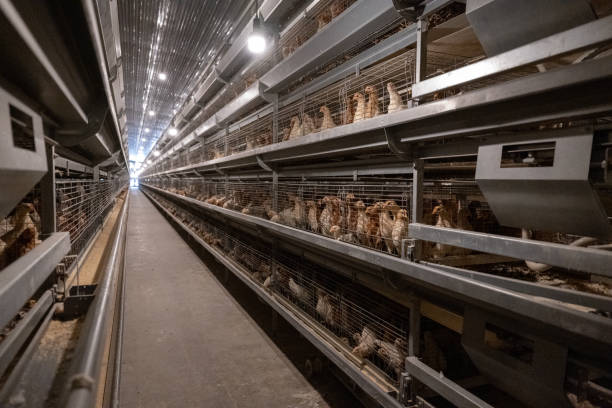
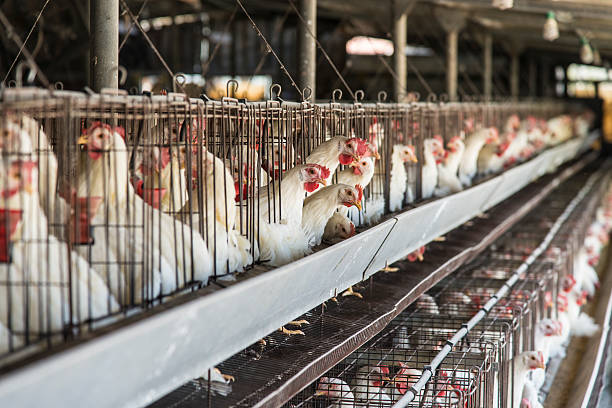
Cage Size and Configuration: Selecting the appropriate cage size is critical for ensuring adequate space for each bird. Overcrowding can lead to stress, increased disease susceptibility, and reduced egg production. The European Union has regulations about cage size, providing a good benchmark even outside of that region. Different cage configurations are available, including A-frame and H-frame designs. A-frame cages are generally more affordable and easier to install, while H-frame cages offer better ventilation and manure management. The choice depends on your budget, available space, and desired level of automation.
Material and Construction: The cage material should be durable, corrosion-resistant, and easy to clean. Galvanized steel is a common choice, offering a good balance of cost and durability. The cage construction should be robust enough to withstand the daily wear and tear of a large-scale poultry operation. Smooth surfaces and rounded edges are important for preventing injuries to the birds.
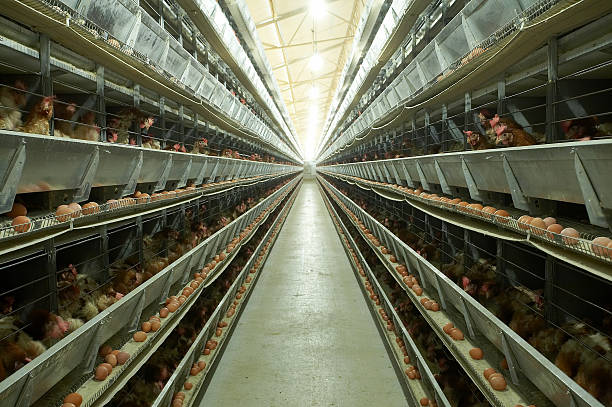
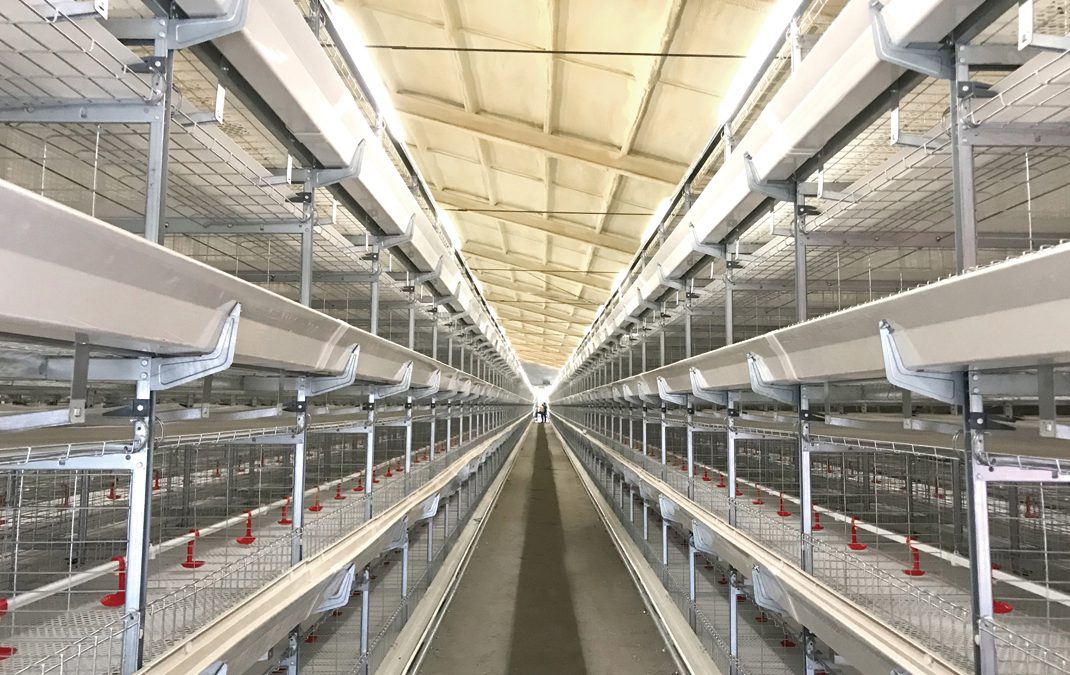
Tier Arrangement: Battery cage systems are available in multiple tiers, typically ranging from three to five tiers. Higher tier systems maximize space utilization, but they also require more sophisticated manure removal and ventilation systems. Selecting the appropriate number of tiers depends on the height of your poultry house and your budget for automation.
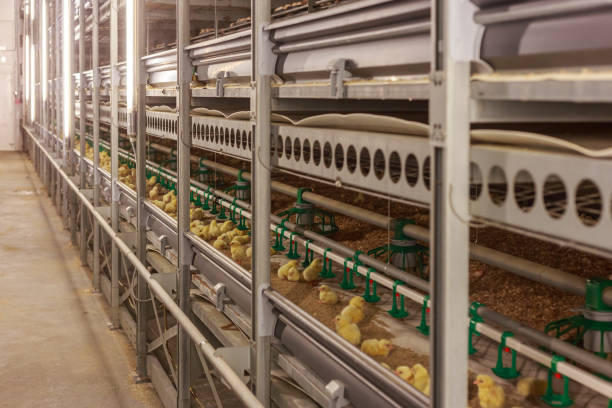
Feeding and Watering Systems: Efficient feeding and watering systems are essential for ensuring that all birds have access to adequate nutrition and hydration. Automatic feeding systems can significantly reduce labor costs and ensure consistent feed distribution. Nipple drinkers are a popular choice for watering systems, as they minimize water wastage and reduce the risk of contamination.
Egg Collection System: Automatic egg collection systems can dramatically reduce labor costs and minimize egg breakage. These systems typically consist of a conveyor belt that runs along the length of the cages, collecting eggs and transporting them to a central collection point. The egg collection system should be designed to handle the expected egg production volume and minimize the risk of damage.
Optimizing Environmental Control
Maintaining optimal environmental conditions within the poultry house is critical for maximizing egg production and bird health. Temperature, humidity, ventilation, and lighting all play a crucial role.
Temperature Control: Laying hens are most productive within a specific temperature range, typically between 18°C and 24°C. In Tanzania’s hot climate, cooling systems may be necessary to maintain optimal temperatures. Evaporative cooling systems, such as pad and fan systems, are a cost-effective option for reducing temperatures in poultry houses. Proper insulation can also help to minimize heat gain during the day and heat loss at night.
Humidity Control: High humidity can exacerbate the effects of high temperatures, increasing the risk of heat stress. Proper ventilation is essential for removing excess moisture from the poultry house. Dehumidifiers may be necessary in some cases, especially during the rainy season.
Ventilation: Adequate ventilation is crucial for removing ammonia, carbon dioxide, and other harmful gases from the poultry house. Natural ventilation can be effective in some cases, but mechanical ventilation is often necessary to ensure consistent airflow. The ventilation system should be designed to provide adequate air exchange without creating drafts that can chill the birds.
Lighting: Lighting plays a critical role in regulating the laying cycle of hens. A well-designed lighting program can stimulate egg production and improve egg quality. Typically, laying hens require 14-16 hours of light per day. The light intensity should be sufficient to allow the birds to see their environment and find food and water. LED lighting is a good option, as it is energy-efficient and provides a consistent light spectrum.
Leveraging Automation for Efficiency
Automation can significantly improve the efficiency and profitability of a 20,000-hen poultry farm. Automating tasks such as feeding, watering, egg collection, and manure removal can reduce labor costs, improve bird welfare, and increase egg production.
Automatic Feeding Systems: Automatic feeding systems can deliver feed to the birds at predetermined intervals, ensuring consistent feed distribution and minimizing feed wastage. These systems can be programmed to provide different feed rations based on the age and stage of production of the hens.
Automatic Watering Systems: Nipple drinkers provide a continuous supply of fresh water to the birds, reducing the risk of contamination and minimizing water wastage. These systems can be easily automated to ensure that the birds always have access to water.
Automatic Egg Collection Systems: Automatic egg collection systems can dramatically reduce labor costs and minimize egg breakage. These systems collect eggs and transport them to a central collection point, where they can be graded and packaged.
Automatic Manure Removal Systems: Efficient manure removal is essential for maintaining good hygiene and reducing ammonia levels in the poultry house. Automatic manure removal systems can remove manure from the cages on a regular basis, reducing the risk of disease and improving air quality.
Implementing a Robust Biosecurity Plan
Biosecurity is paramount for preventing the introduction and spread of diseases in a poultry farm. A comprehensive biosecurity plan should include measures to control access to the farm, prevent the introduction of pathogens, and minimize the spread of disease within the farm.
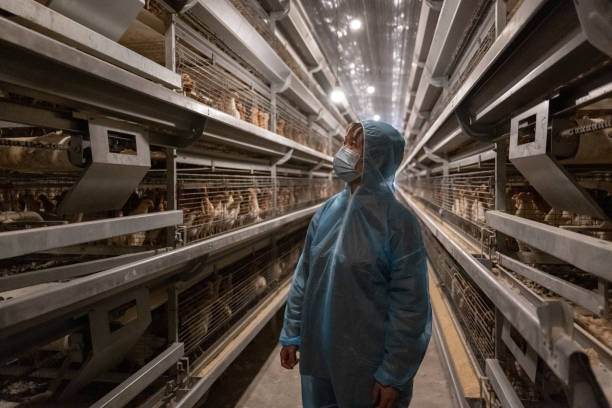
Access Control: Restricting access to the farm to authorized personnel only is crucial for preventing the introduction of pathogens. Visitors should be required to sign in and out, and they should be provided with protective clothing, such as boots and coveralls.
Sanitation: Maintaining a high level of sanitation is essential for preventing the spread of disease. The poultry house should be cleaned and disinfected regularly, and all equipment should be sanitized before and after use.
Rodent and Pest Control: Rodents and pests can carry diseases and contaminate feed and water. A comprehensive rodent and pest control program should be implemented to minimize their presence on the farm.
Vaccination: Vaccinating the hens against common poultry diseases is essential for protecting them from illness. A veterinarian should be consulted to develop a vaccination program that is tailored to the specific needs of the farm.
Quarantine: New birds should be quarantined for a period of time before being introduced to the main flock. This will allow any potential diseases to be detected and treated before they can spread to the rest of the birds.
Economic Viability and Return on Investment
Investing in a battery cage system is a significant capital expenditure. Therefore, it’s essential to conduct a thorough economic analysis to assess the viability of the project and estimate the return on investment. The analysis should consider factors such as the cost of the cage system, the cost of construction, the cost of feed, the price of eggs, and the expected egg production rate. A well-designed and efficiently managed battery cage system can provide a good return on investment, but it’s important to have a realistic understanding of the costs and benefits involved.
Initial Investment: Calculate the total cost of the project, including the cost of the cage system, construction, equipment, and initial stock of hens.
Operating Costs: Estimate the annual operating costs, including the cost of feed, labor, utilities, and veterinary care.
Revenue Projections: Project the annual revenue based on the expected egg production rate and the market price of eggs.
Profitability Analysis: Calculate the net profit by subtracting the operating costs from the revenue.
Return on Investment: Determine the return on investment by dividing the net profit by the initial investment.
Conclusion
Optimizing battery cage solutions for 20,000 laying hens in Tanzania requires careful planning and attention to detail. By selecting the right cage system, optimizing environmental control, leveraging automation, implementing a robust biosecurity plan, and conducting a thorough economic analysis, poultry farmers can maximize profitability and contribute to the growing demand for eggs in the Tanzanian market. Remember that consulting with experienced poultry equipment suppliers and agricultural experts is crucial for ensuring the success of your poultry farming venture. By considering all these factors, you can create a sustainable and profitable egg production business in Tanzania.