Investing in Automatic Egg Collection: A Game Changer for African Layer Farms
Investing in Automatic Egg Collection: A Game Changer for African Layer Farms
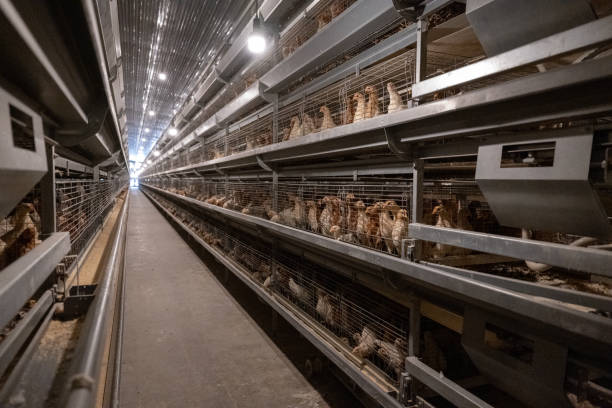
The poultry industry in Africa is on the rise. With a growing population and increasing demand for protein, egg production presents a significant opportunity for farmers across the continent. However, traditional egg collection methods, often relying on manual labor, can be time-consuming, inefficient, and ultimately, limit profitability. Investing in automatic egg collection systems is emerging as a game-changer, offering layer farms in Africa a pathway to increased efficiency, reduced labor costs, and improved egg quality, leading to a more sustainable and profitable business. Let’s explore why this technology is important and how it can make a real difference for African farmers.
The Challenges of Traditional Egg Collection
Before diving into the benefits of automation, it’s crucial to understand the limitations of traditional manual egg collection. The daily grind typically involves workers walking through the hen house, carefully gathering eggs from nesting boxes or cages. This process is not only labor-intensive but also presents several challenges:
High Labor Costs: Manual egg collection is incredibly demanding on labor. Farms need to employ a significant number of workers to collect eggs daily, increasing operational expenses. As wages rise, these costs can become a major burden for farmers, impacting their bottom line.
Time-Consuming Process: Manually collecting eggs is a slow and inefficient process. It takes a considerable amount of time to gather all the eggs, especially on larger farms, leading to delays in processing, grading, and eventually, getting the eggs to the market. This delay can affect freshness and ultimately, reduce the value of the product.
Egg Breakage and Contamination: Human error is inherent in any manual process. During manual collection, eggs are susceptible to damage and breakage. Cracked eggs can lead to contamination and spread disease within the hen house. Furthermore, manual handling increases the risk of contamination from dirty hands, reducing the overall quality and safety of the eggs.
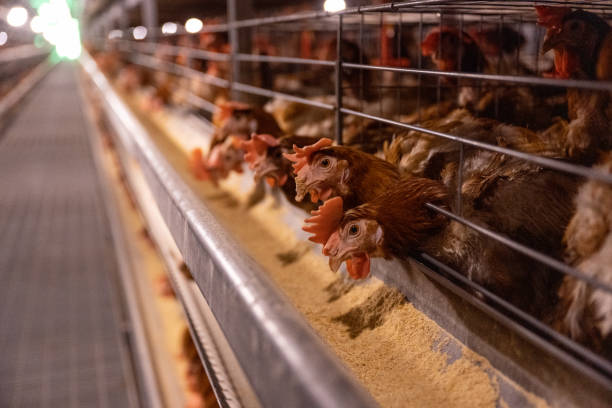
Stress on Birds: The constant presence of humans within the hen house during egg collection can cause stress to the laying hens. This stress can negatively impact egg production, leading to lower yields and affecting the overall health and well-being of the flock.
Inconsistency in Collection: The efficiency and thoroughness of manual egg collection can vary depending on the skill and dedication of the workers. This can lead to inconsistencies in the number of eggs collected and the overall quality of the harvest.
The Advantages of Automatic Egg Collection Systems
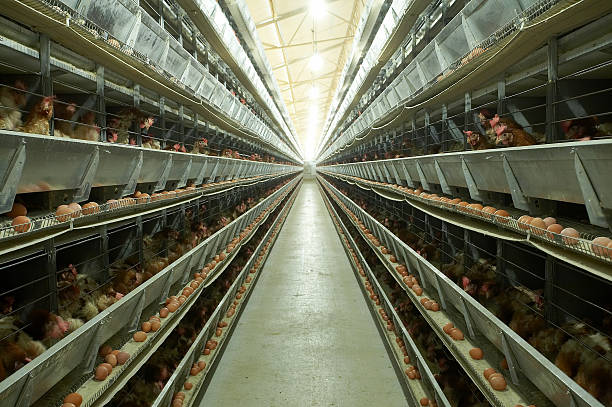
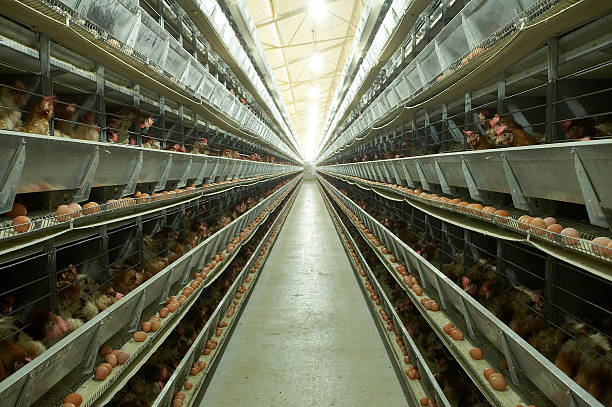
Automatic egg collection systems offer a solution to overcome these challenges. These systems are designed to gently and efficiently collect eggs directly from the cages or nesting areas, transporting them to a central collection point with minimal human intervention. Here’s where the real magic happens:
Reduced Labor Costs: Automation significantly reduces the need for manual labor. With an automatic system, fewer workers are required for egg collection, leading to major savings on labor costs. This allows farmers to allocate their resources to other important areas of the farm, such as feed management or flock health.
Increased Efficiency: Automatic systems collect eggs much faster than manual methods. This improves overall efficiency, reducing the time it takes to get eggs from the henhouse to the market. Faster processing also ensures greater freshness, enhancing the value of the product.
Improved Egg Quality: Automatic egg collection minimizes egg handling, reducing the risk of breakage and contamination. Eggs are transported gently on conveyor belts, minimizing the chances of cracks and damage. This helps maintain egg quality, leading to higher grades and better market prices.
Reduced Stress on Birds: These systems are designed to operate quietly and smoothly, minimizing disturbance to the hens. This reduces stress on the birds, promoting better egg production and overall flock health. Happier hens mean more eggs!
Data Collection and Analysis: Some automatic egg collection systems are equipped with sensors that can track egg production data. This information can be used to analyze flock performance, identify potential problems, and make informed decisions about feed management, lighting, and other factors that impact egg production.
Enhanced Biosecurity: Minimizing human contact within the hen house reduces the risk of introducing disease. Automatic systems limit the need for workers to enter the hen house, promoting a healthier and more hygienic environment for the birds.
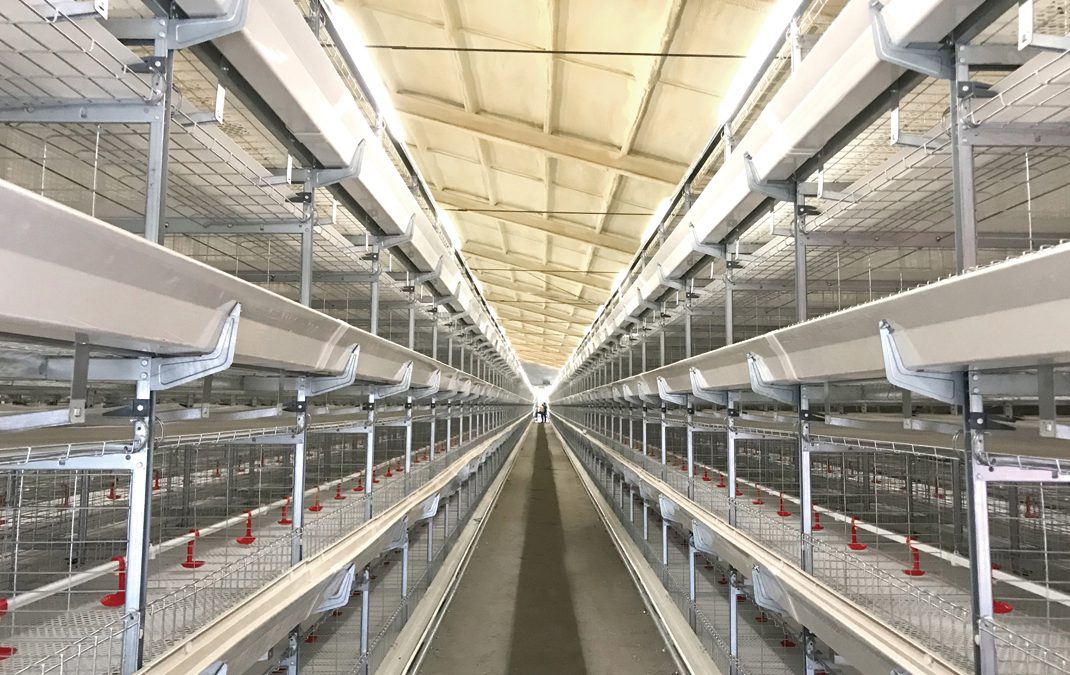
Scalability: Automatic egg collection systems can be scaled to accommodate the needs of farms of all sizes. Whether you have a small family farm or a large commercial operation, there is a system available to suit your specific requirements.
Types of Automatic Egg Collection Systems
There are several different types of automatic egg collection systems available, each with its own advantages and disadvantages. The best option for a particular farm will depend on factors such as the size of the operation, the type of housing system used, and the budget available.
Belt Systems: These systems use conveyor belts to transport eggs from the cages to a central collection point. They are suitable for both cage-free and cage-based systems. Eggs roll onto the belt and are gently moved to a packing station.
Chain Systems: Chain systems utilize a chain-driven transport mechanism to move eggs and are known for their durability. These are ideal for installations with longer runs, where a belt system might not be as efficient, and are useful for moving eggs horizontally and vertically within the hen house.
Robotic Systems: Robotic egg collection systems are the most advanced option. These systems use robotic arms and vision systems to locate and collect eggs gently automatically. These offer the highest level of automation but also usually require a larger initial investment.
Considerations for Implementing Automatic Egg Collection in Africa
While the benefits of automatic egg collection are clear, it’s important to consider several factors before investing in this technology in the African context:
Initial Investment: Automatic egg collection systems require a significant upfront investment. Farmers need to carefully assess their budget and determine if they can afford the initial cost of the system. However, it’s important to remember that the long-term savings on labor and improved egg quality can justify the initial investment.
Maintenance and Repair: Automatic systems require regular maintenance to ensure optimal performance. Farmers need to factor in the cost of maintenance and repairs when budgeting for the system. It’s also important to ensure that spare parts are readily available and that qualified technicians are available to service the equipment.
Electricity Supply: Automatic egg collection systems require a reliable electricity supply to operate. In areas where electricity supply is unstable, farmers must invest in backup generators or alternative power sources to ensure that the system can continue to function during power outages.
Climate Conditions: African climates can be challenging, with high temperatures, humidity, and dust. Farmers need to choose systems that are designed to withstand these conditions and that are easy to clean and maintain. Corrosion-resistant materials are a must.
Skills and Training: Farmers need to invest in training for their staff to operate and maintain the automatic egg collection system effectively. Proper training will ensure that the system is used correctly, minimizing downtime and maximizing efficiency.
Integration with Existing Infrastructure: Implementing automatic egg collection requires careful planning to integrate the new system with existing farm infrastructure, such as hen houses and egg processing facilities. Proper integration ensures smooth operation and efficiency throughout the egg production chain.
Local Support and Expertise: Choose a supplier that offers local support and expertise. This includes installation, training, and ongoing technical assistance. Having a reliable partner can make a big difference in the success of your automation project.
Making the Right Choice: Selecting an Egg Collection System
When selecting an automatic egg collection system, it’s crucial to carefully consider your farm’s specific needs and circumstances. Factors such as the size of your operation, the type of housing system you use, and your budget will all influence your decision. Here’s how to determine which is the perfect fit:
Assess Your Needs: What are your specific goals for automation? Are you primarily interested in reducing labor costs, improving egg quality, or increasing efficiency? Answering these questions will help you narrow down your options.
Consider Your Budget: How much are you willing to invest in an automatic egg collection system? Be sure to factor in not just the upfront cost but also the cost of maintenance, repairs, and training.
Evaluate Space Limitations: Make sure the dimensions work for your pre-existing structure, and how the installment process will occur will fit with the current setup. Don’t be in a hurry to implement machinery that can’t fit through the door in the first place.
Research Suppliers: Talk to different suppliers and compare their products and prices. Ask for references from other farmers who have used their systems. A responsible and reliable supplier will be able to show you a case study or even provide site visits to make you more comfortable.
Consider Future Growth: Will your system meet the needs of your business as you expand? Choose a modular system that can be easily added to as your farm grows.
Prioritize Durability and Reliability: Select a system that is built to last and that is known for its reliability. Consider the materials used, the design of the system, and the reputation of the supplier.
The Future of Egg Production in Africa
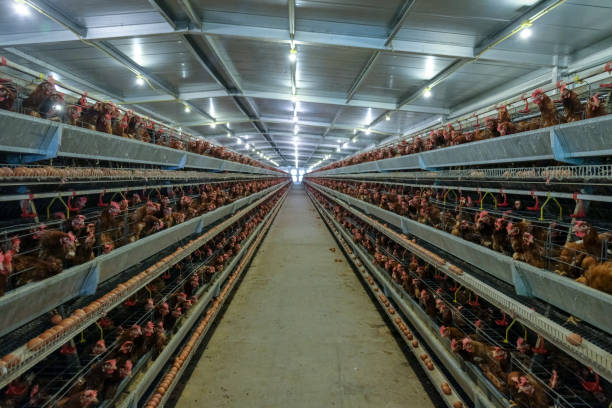
Investing in automatic egg collection systems is not just about improving efficiency and reducing costs. It’s about embracing innovation and building a sustainable future for the poultry industry in Africa. By adopting this technology, farmers can increase their profitability, improve the quality of their products, and contribute to food security in the region. As the demand for eggs continues to grow, automation will play an increasingly important role in meeting the needs of African consumers. By improving egg production and business processes, providing higher-quality product, and creating a more positive environment for their flock, moving toward the future of more streamlined hen houses with high ROI is a worthwhile and practical business decision. So what are you waiting for?